Western Slope Transformed by Population Growth and Development
The Western Slope has undergone significant changes over the past few decades, driven by population growth, economic factors, and technological innovation. What's next for the region?
Aspen —What's behind the transformation of the Western Slope over the past few decades? The short version: it's not just one thing. Population growth — Colorado's has more than quadrupled since 1950 — is a major factor. This growth has brought changes to our region, from new resorts and developments to shifts in local businesses and infrastructure.
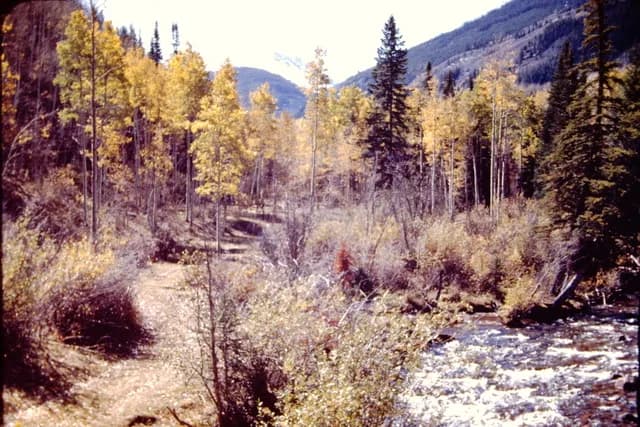
For those who've lived here a while, the changes are stark. Vail didn't exist, Park City was a small mining town, and Sedona was unknown as a resort. Santa Fe was just starting to develop as a national resort, with its summer opera opening in 1957. The lack of interstate highways meant travel was slower, more laborious, think stoplight to stoplight through Sacramento, or navigating the two-lane road to Denver over Loveland Pass.
The construction of the interstate system was a double-edged sword. While it boosted some towns, it bypassed others, leaving gas stops and small service communities to dwindle. The two-lane highway between Glenwood and Grand Junction, which used to pass through Silt, Newcastle, and Rifle, is a prime example. Road improvements have made many areas more accessible, but they've also brought more tourists, changing the character of once-remote places like Hovenweep National Monument.
In Aspen, the changes are particularly noticeable. Roads that were once dirt are now paved, making it easier for tourists to visit. But this increased accessibility has also driven up costs, forcing basic services businesses to move out of the city center. The Airport Business Center was the first to see an influx of these businesses, but they've since moved even further away, driven out by high rents. Amazon may also be a factor, as more people turn to online shopping.
Make no mistake, these changes are not unique to Aspen. The West has been transforming since the 1950s, with population growth, economic factors, and technological innovation all playing a role. It's only with hindsight that we can see the full extent of these changes and try to identify what's driving them. The question is, what's next for our region? Will we continue to see the same kind of growth and development, or will we find a way to balance progress with preservation?
One thing is certain: the Western Slope is not the same place it was 50 years ago. Whether you're a longtime resident or a newcomer, it's worth taking a step back to consider the ways in which our region has changed. Read that again: quadrupled population, new resorts, and shifting local businesses. These are not small changes, and they will continue to shape our community for years to come.
As we look to the future, it's worth watching how our local leaders respond to these changes. What steps will they take to balance growth with preservation, and to ensure that our area remains a place where people want to live and visit? The answers to these questions will have a significant impact, and it's up to us to pay attention and demand action.
The fact that basic services businesses are being forced out of city centers is a concern. What happens when the character of a place is lost, and it becomes just another generic resort town? This is not just a problem for Aspen, but for many towns across this region. As we move forward, balancing progress with preservation will be crucial, and we must consider the impact of our actions on the very things that make our home special.
In the end, the transformation of our region is a complex issue, driven by many factors. While it's impossible to turn back the clock, we can work to shape the future in a way that balances progress with preservation. The question is, will we take on this challenge, or will we simply accept the status quo? The choice is ours, and it's one that will have far-reaching consequences for locals.
Keep up with Aspen
The day's Western Slope news, one email each morning. Free.
Aspen's ACES Returns Annual Harvest Party to Rock Bottom Ranch
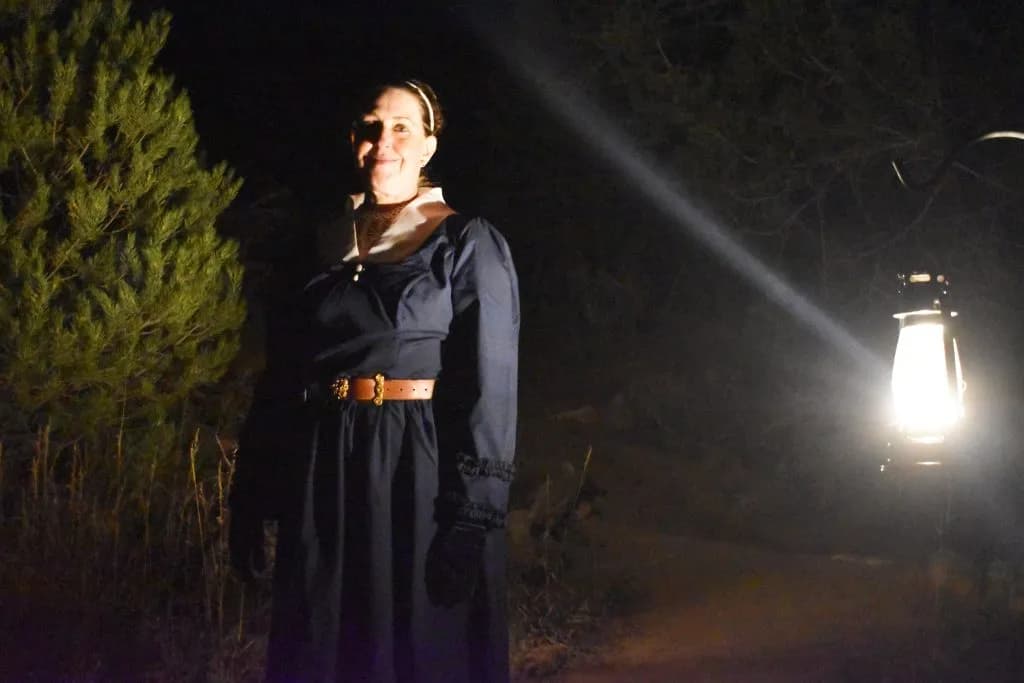
Glenwood Ghostwalk Brings Frontier History to Life in Linwood Cemetery