Uncovering the Real Sir St George Gore
Delving into the life and times of Sir St George Gore, the man behind the name, and separating fact from fiction in local folklore
Vail —As you stand at the foot of the Gore Range, the rugged peaks stretching towards the sky like giant's fists, it's hard not to wonder about the man behind the name - Sir St. George Gore, or as he's more commonly known, "Lord Gore". But what's in a name, really? Is it just a label, a mere identifier, or does it hold some deeper significance? For locals, the legend of Sir St. George Gore has been a topic of fascination for years, with tales of his adventures and exploits woven into the fabric of our collective history. But, as it turns out, much of what we thought we knew about Gore was exaggerated, or even downright false.
Take, for example, the story of Gore's title - he was a baronet, not a lord, a distinction that may seem minor to some, but is actually a meaningful one in the British peerage system. This system, with its intricate hierarchy and nuances, is not just a relic of the past, but a living, breathing entity that still influences the way we think about class and status today. And yet, despite this, Gore's name was somehow transformed over time, from the humble "Sir George Gore" to the more grandiose "Lord Gore". It's a change that may have been driven by a desire to make his story more compelling, more exciting - after all, who wouldn't want to read about the adventures of a lord, rather than a mere baronet?
But the exaggerations don't stop there. Gore's exploits, as recorded in various newspaper articles and books, include tales of a naked march to Fort Berthold, the killing of six thousand bison, and the hiring of 800 Native workers to cut Gore Pass. And then, of course, there's the claim that he discovered gold in various locations throughout the American West. It's a dizzying array of adventures, to say the least, and one that has captivated the imagination of locals and visitors alike. However, as historian Barry Johnson pointed out in his book "Baronet in an Earth Lodge", many of these tales are likely exaggerated or entirely fabricated.
So, how did these exaggerations come to be? Part of the problem lies in the way that history is often recorded - through a combination of fact, fiction, and speculation. Take, for example, the book "The Amazing Adventures of Lord Gore" by painter Jack Roberts. While Roberts was upfront about the fact that he had "surmised" many of the details in his book, his work was still presented as a biography, rather than a work of historical fiction. And so, the myths and legends surrounding Gore's life continued to grow, until they became an integral part of our local folklore.
But what's the harm in a few exaggerations, you might ask? After all, don't they add to the romance and excitement of Gore's story? Perhaps, but they also obscure the truth, and make it difficult to separate fact from fiction. As locals, we have a deep connection to this land, and to the people who came before us. We want to know the real story, not some fanciful version that's been embellished over time. And so, it's worth taking a closer look at the life and times of Sir St. George Gore, to see what we can really learn from his experiences, and what they can teach us about our own place in the world.
As you drive through the Gore Range, the mountains looming above you like giants, you can feel the weight of history bearing down upon you. The air is crisp and clean, with a hint of pine and earth, and the only sound is the wind rustling through the trees. It's a moment of perfect clarity, one that makes you realize just how small we are, and how fleeting our presence on this earth. And yet, even in the face of such grandeur, it's the small, human details that really matter - the stories we tell, the names we use, and the way we choose to remember our past. You can feel it, if you look closely, a sense of connection to the land, and to the people who came before us. It's a sense of warmth, of community, that's hard to find in our increasingly fragmented world. And it's worth the drive, just to experience it for yourself.
Keep up with Vail
The day's Western Slope news, one email each morning. Free.
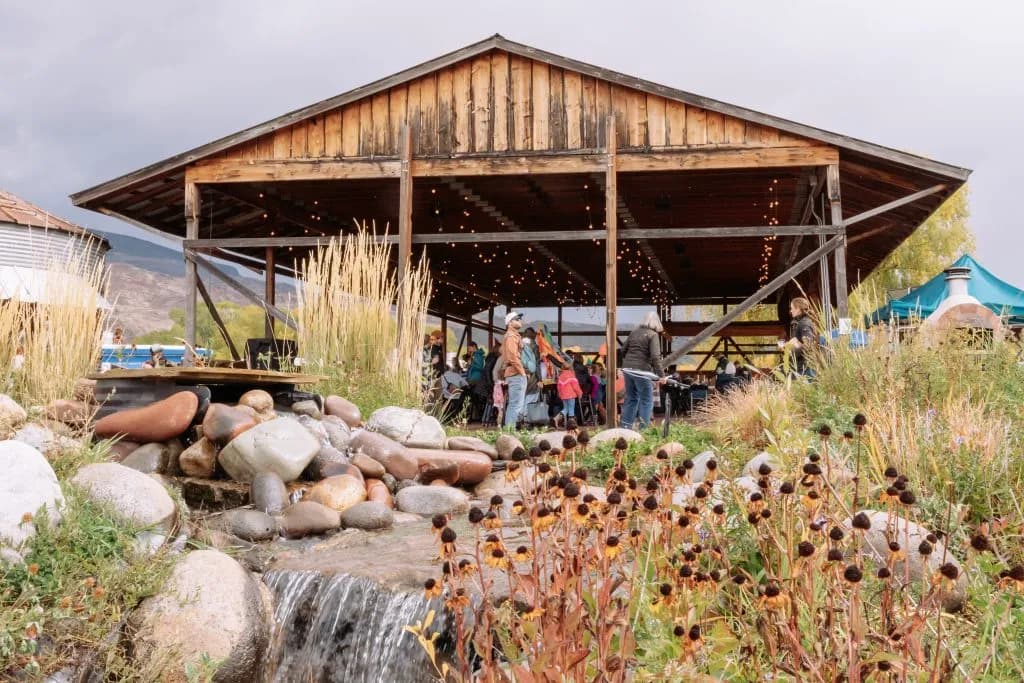
Aspen's ACES Returns Annual Harvest Party to Rock Bottom Ranch
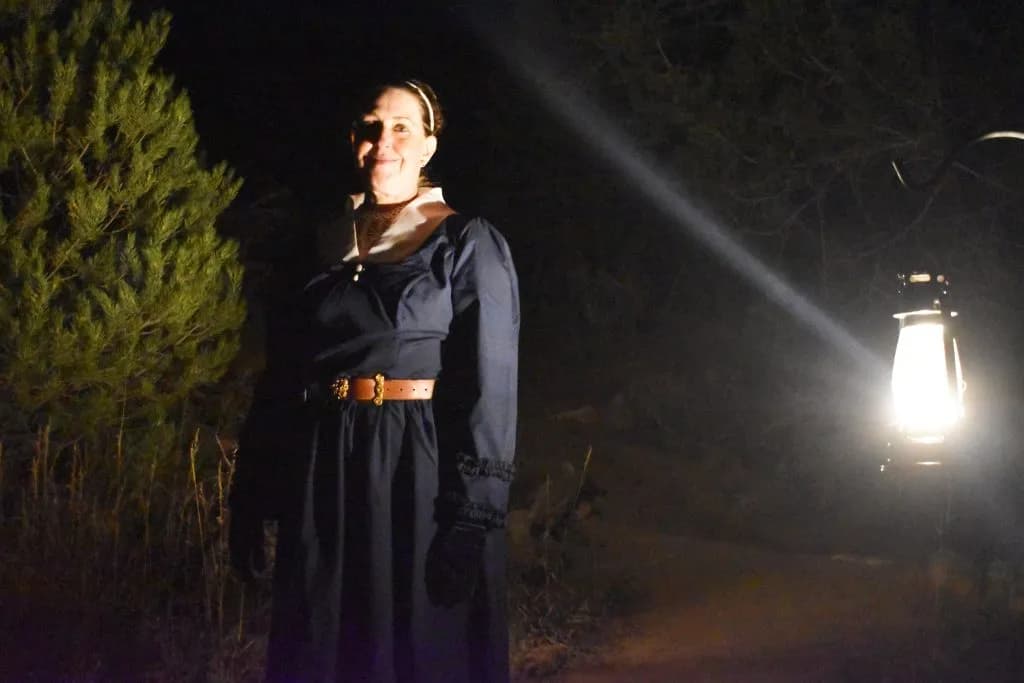
Glenwood Ghostwalk Brings Frontier History to Life in Linwood Cemetery