Montana Bison Conservation Affects Western Slope Ecosystem
The impact of Montana's bison conservation on the Western Slope's ecosystem and the importance of regional conservation efforts.
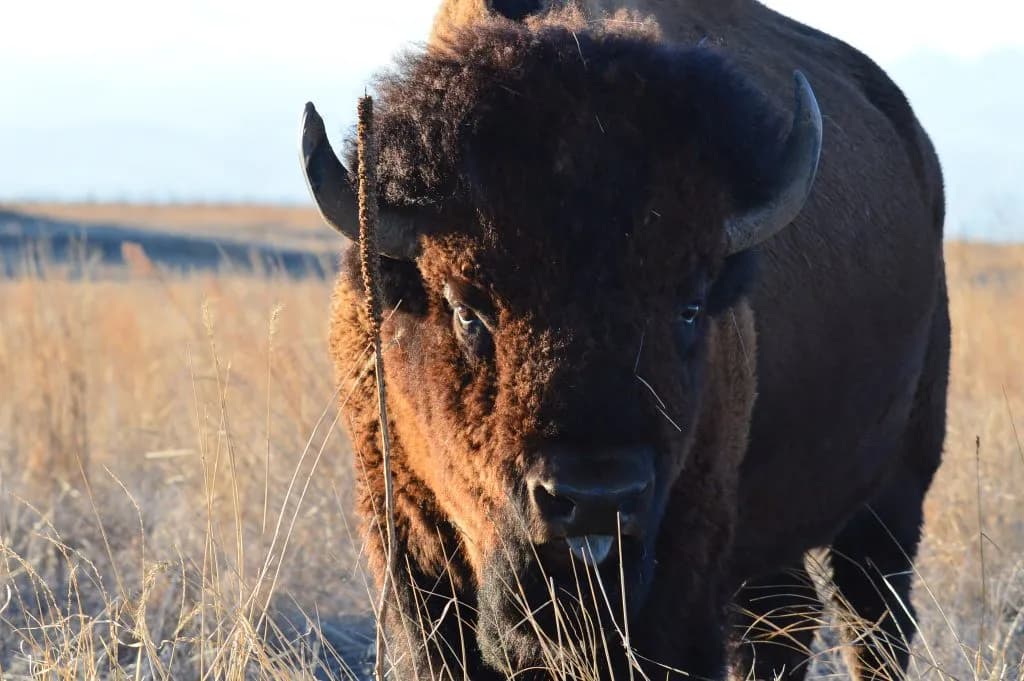
Craig —Standing on the banks of the Gunnison River, the rugged landscape of western Colorado stretches out before you, a reminder of the vast, open spaces that once teemed with wildlife. But the story of bison conservation in Montana, over 900 miles to the north, has a direct impact on the Western Slope. A $14 million project, like the one American Prairie has undertaken, can seem impressive, but it's the 12 units of bison habitat that really matter - and the fact that the Bureau of Land Management has terminated grazing permits for those areas is a significant blow.
For context, the BLM's decision affects not just the bison, but the Native American tribes that have worked tirelessly to restore the species. The Salish man, Attice, who trailed surviving bison across the Continental Divide to Montana's Flathead Valley, was a visionary - and his actions ultimately led to the establishment of small herds on refuges and wildlife management areas. But the persecution of bison continues, and Governor Greg Gianforte's administration has been at the forefront of opposition to expanding wild buffalo populations.
Let's do the math: with only a few thousand truly wild buffalo today, occupying just a tiny fraction of their former range, the stakes are high. The Coalition of Large Tribes, advocating for over 50 tribal nations, has filed a formal protest of the BLM's decision - federal law is clear on the importance of interpreting statutes affecting tribes in their favor. The BLM's actions, in terminating the permits, disrupt herd genetics, intertribal gifting traditions, treaty territories, and long-standing conservation efforts.
In practice, this means that the Western Slope, with its own delicate ecosystem and conservation efforts, is also impacted. The Gunnison River, which flows through some of the most scenic and sensitive landscapes in Colorado, is a reminder that conservation is a regional, not just local, issue. When the BLM makes decisions about bison habitat in Montana, it has a ripple effect - the Western Slope, with its own wildlife and conservation concerns, feels these effects. The fact that American Prairie has worked for 25 years to restore intact grasslands on public and private lands adjacent to Montana's Charles M. Russell National Wildlife Refuge underscores the complexity and importance of this issue. The BLM has denied a request to convert existing federal grazing permits from cattle to bison in eastern Montana, which is a stark reminder of the challenges that conservation efforts face.
For folks around here, the news from Montana may seem distant, but it's a reminder that conservation is a shared responsibility - and that the actions of one state or agency can have far-reaching consequences. This will cost taxpayers, in the long run, as conservation efforts are hindered by short-sighted decisions - and it's a cost that will be felt, not just in Montana, but across the Western Slope.
Keep up with Craig
The day's Western Slope news, one email each morning. Free.
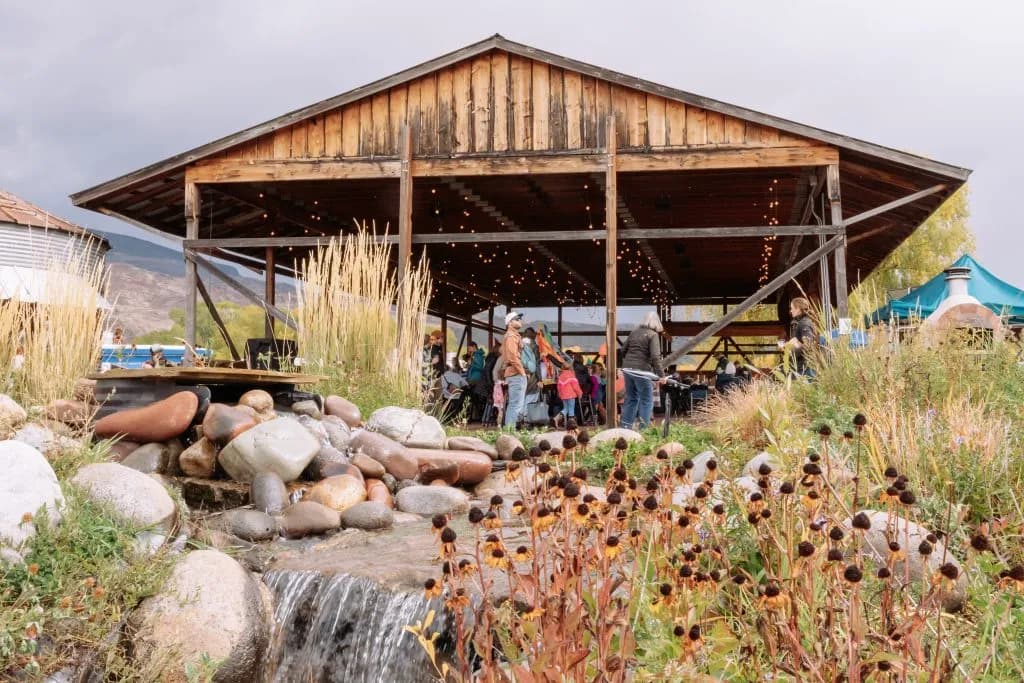
Aspen's ACES Returns Annual Harvest Party to Rock Bottom Ranch
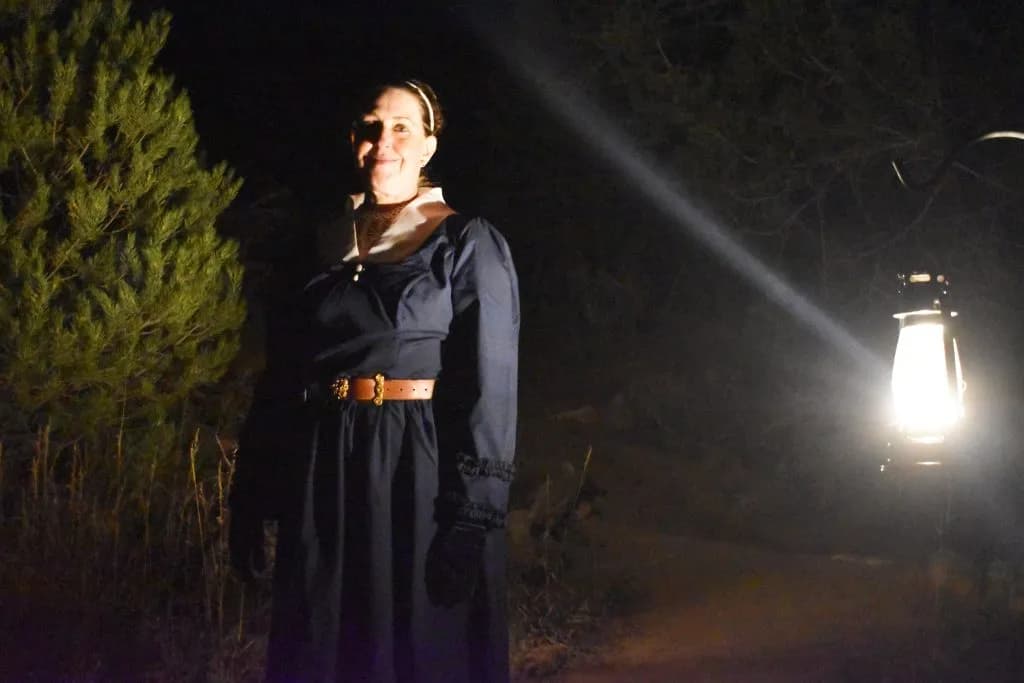
Glenwood Ghostwalk Brings Frontier History to Life in Linwood Cemetery