Western Slope Spends No Money on Olympic History Preservation
The Western Slope has not invested in preserving its history related to the ancient Olympic Games, despite the Games' significant cultural impact.
Aspen —$0 is what the Western Slope has spent to preserve its history related to the ancient Olympic Games. Twelve miles from the nearest town, our local history books rarely mention the origins of the Games. Glenn Olson, a local historian, once said, "we don't talk about it much." For context, the Olympic Games have a rich history that spans over 2,700 years, with roots in ancient Greece. The story of King Oenomaus, who inaugurated a great chariot race for suitors to win his daughter's hand in marriage, is a fascinating one. This ancient tale, as recounted by Maple in a recent opinion piece, highlights the complexities and intrigue surrounding the origins of the Games. On paper, the Olympic Games were a celebration of athletic prowess, art, and intellectual pursuits, with the ancient Greeks believing that sport was a moral imperative. In practice, the Games became a cultural phenomenon, with a profound impact on the ancient world. The Olympic truce, or Ekecheiria, which called for a temporary cessation of hostilities during the Games, has been largely honored for over 1,200 years, and this legacy continues to influence international relations. This tradition is a notable aspect of the ancient Olympics. Let's do the math: if the Olympic Games have been held every four years for over 2,700 years, that's approximately 675 Olympiads. Yet, despite this rich history, the Western Slope has not invested in exploring its ties to the Games. For locals, the story of the Olympic Games is not just a distant historical footnote, but a reminder of the enduring power of sports to shape culture and society. As we look to the future, it's worth considering how we can learn from the past and promote greater understanding and cooperation, just as the ancient Olympics did. In the valley, we have a unique opportunity to delve into the history of the Olympic Games and consider how its lessons can be applied to our community. By examining the complexities and challenges of the ancient Olympics, we can gain a deeper understanding of the role that sports can play in shaping our culture and society. The practical bottom line is that preserving our cultural heritage related to the Olympic Games will require investment and effort from the community. If we want to learn from the past and promote greater understanding and cooperation, we need to be willing to put in the work. That's what it will cost us - our time, our effort, and our commitment to preserving our cultural heritage.
Keep up with Aspen
The day's Western Slope news, one email each morning. Free.
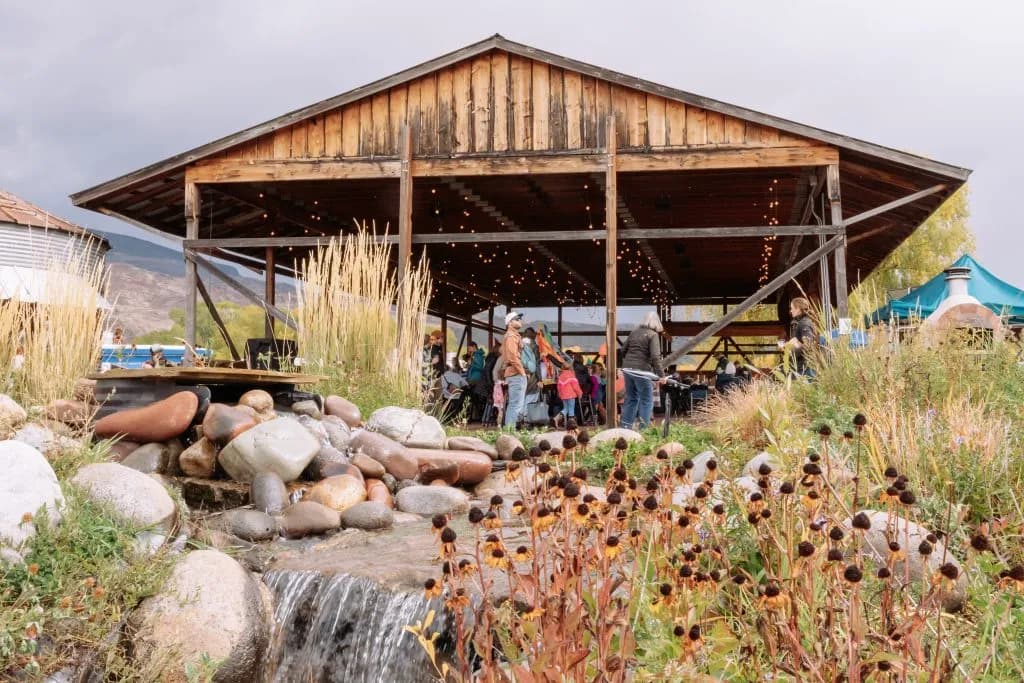
Aspen's ACES Returns Annual Harvest Party to Rock Bottom Ranch
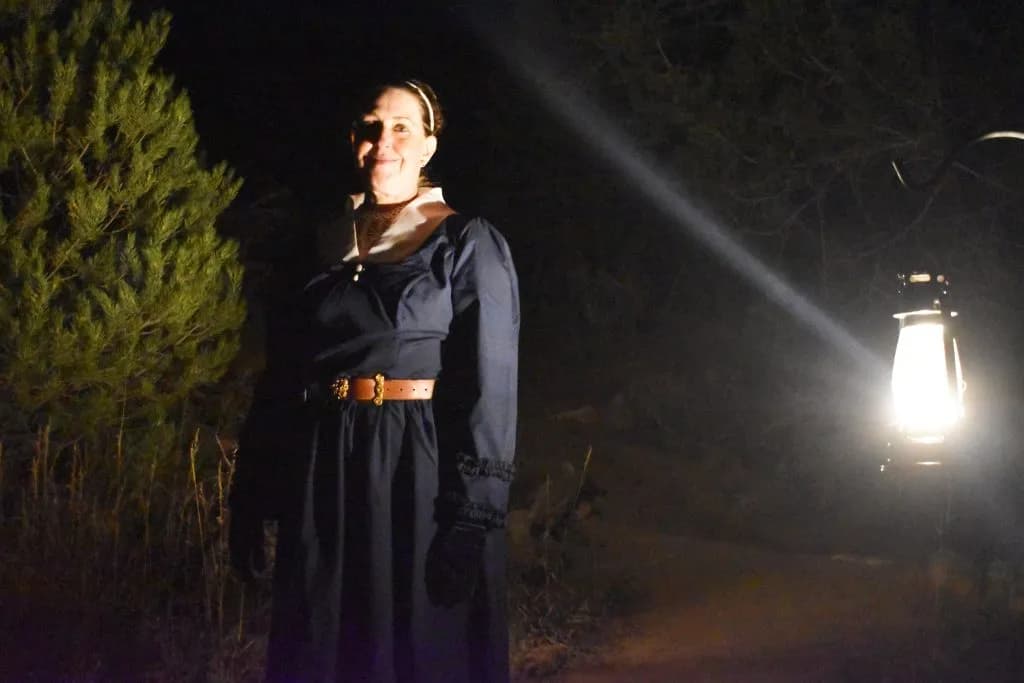
Glenwood Ghostwalk Brings Frontier History to Life in Linwood Cemetery