CPW Biologists Rescue 103 Cutthroat Trout from Gold Mountain Fire
A team of 10 biologists hiked into the Gold Mountain fire to rescue 103 unique cutthroat trout from Nate Creek, safely transporting them to the Rifle Falls Hatchery before rising temperatures and debris threatened their habitat.
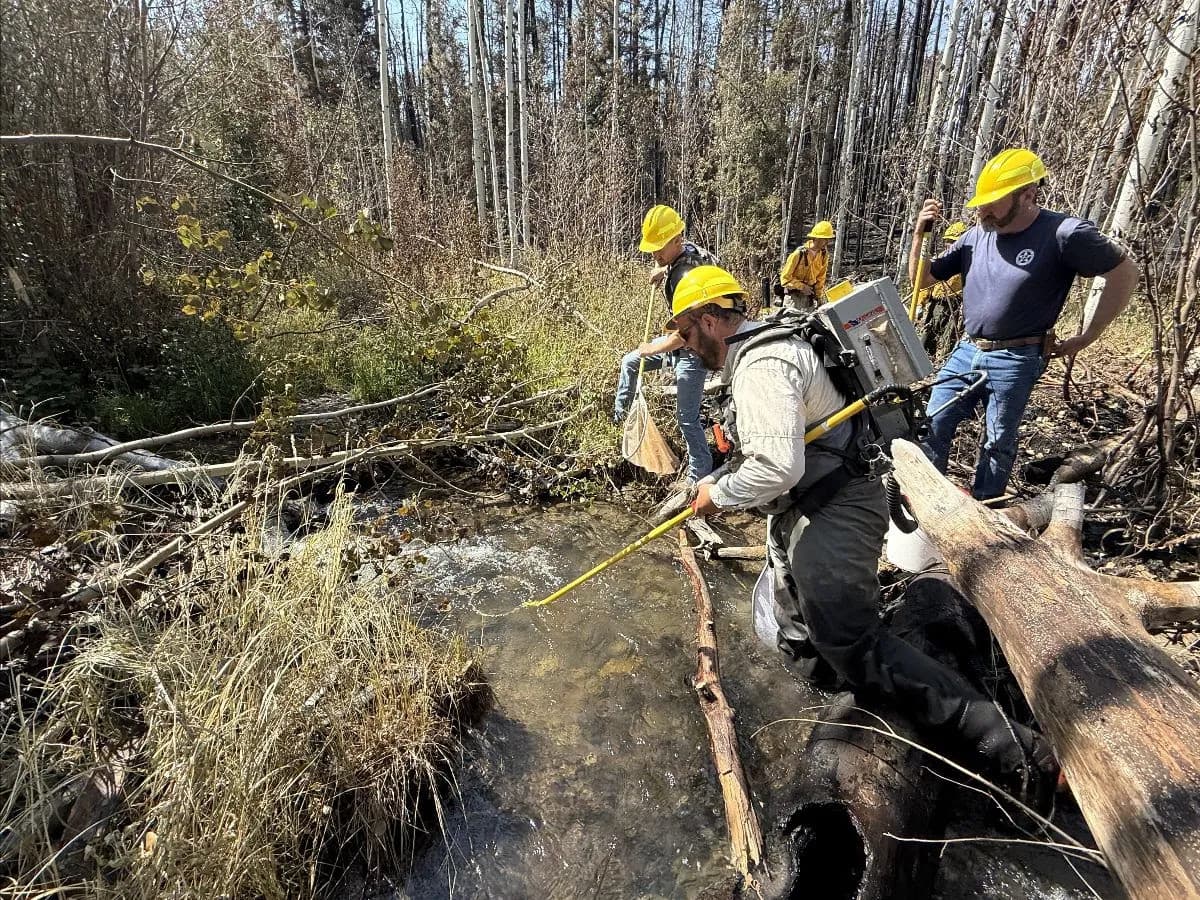
Colorado —103 Uncompahgre cutthroat trout. 40,000 acres of charred forest. One narrow window to get them out before the fire consumed their home stream.
On July 15, a team of 10 biologists from Colorado Parks and Wildlife (CPW) hiked into the Gold Mountain fire to rescue the last genetic relatives of native cutthroat trout from Nate Creek. The operation was a coordinated effort between CPW staff, fire personnel, and the Forest Service, resulting in the safe transport of 103 fish to the Rifle Falls Hatchery.
Nate Creek sits on the west side of Cimarron Ridge, tumbling down from Owl Creek Pass through Devils Canyon above Ridgway Reservoir. It is home to a unique population of fish that are the closest living relatives to the cutthroats that once crowded streams flowing into the Uncompahgre River near Ouray and Ridgway.
Eric Gardunio, a state aquatic biologist with CPW, had been monitoring the blaze as it spread toward Cimarron Ridge and Silver Jack Reservoir. He grew increasingly anxious for the fish in Nate Creek, which were at risk from rising temperatures and potential debris clogging.
The biologists used electrofishing backpacks to stun the fish in a specific section of the stream. This method allowed them to capture the trout, ranging from 3 inches to 7 inches in length, without causing significant harm. Firefighters stood by with nets and buckets, ready to secure the fish as they were stunned.
Timing was critical. Rain was forecast for the area, which benefits firefighters by reducing fire intensity but poses a risk to fish in streams that can become clogged with debris and sediment. The team worked quickly, lugging 5-gallon buckets of fish up and out of the canyon before 1 p.m. as winds shifted and fire danger spiked.
Valerie Thompson, aquatic program manager with the Grand Mesa, Uncompahgre and Gunnison National Forests, praised the operation. She noted that in her 26 years of experience, she had never seen such a smooth field operation within a hazard zone. She highlighted the unprecedented level of coordination and communication between biologists, wildlife managers, fire personnel, and the Forest Service.
Gardunio stated in a CPW press release that these fish represent a living part of the region's history. He emphasized their role in ecosystem function and CPW’s ongoing efforts to restore them to streams where they have been lost. He noted that the fish are resilient and can flourish again if given the chance, having persisted in harsh environments for thousands of years.
The rescue ensures that this specific genetic lineage survives the blaze. The fish are now protected in a controlled environment, allowing CPW to continue its restoration work without the immediate threat of wildfire. For locals in Ridgway, Ouray, and Ridgway, this means the preservation of a distinct biological heritage that has defined the Uncompahgre River system for millennia. The cost of the operation is absorbed by state agencies, but the logistical effort was significant, requiring specialized equipment and close cooperation between two different government bodies.
The 160-mile haul to Rifle Falls was the final leg of a complex rescue mission. The fish are now safe, but the fire continues to burn nearby. The success of this operation sets a precedent for future wildlife rescues in active fire zones, proving that rapid, coordinated action can save vulnerable species even when the landscape is actively burning.
Keep up with Colorado
The day's Western Slope news, one email each morning. Free.
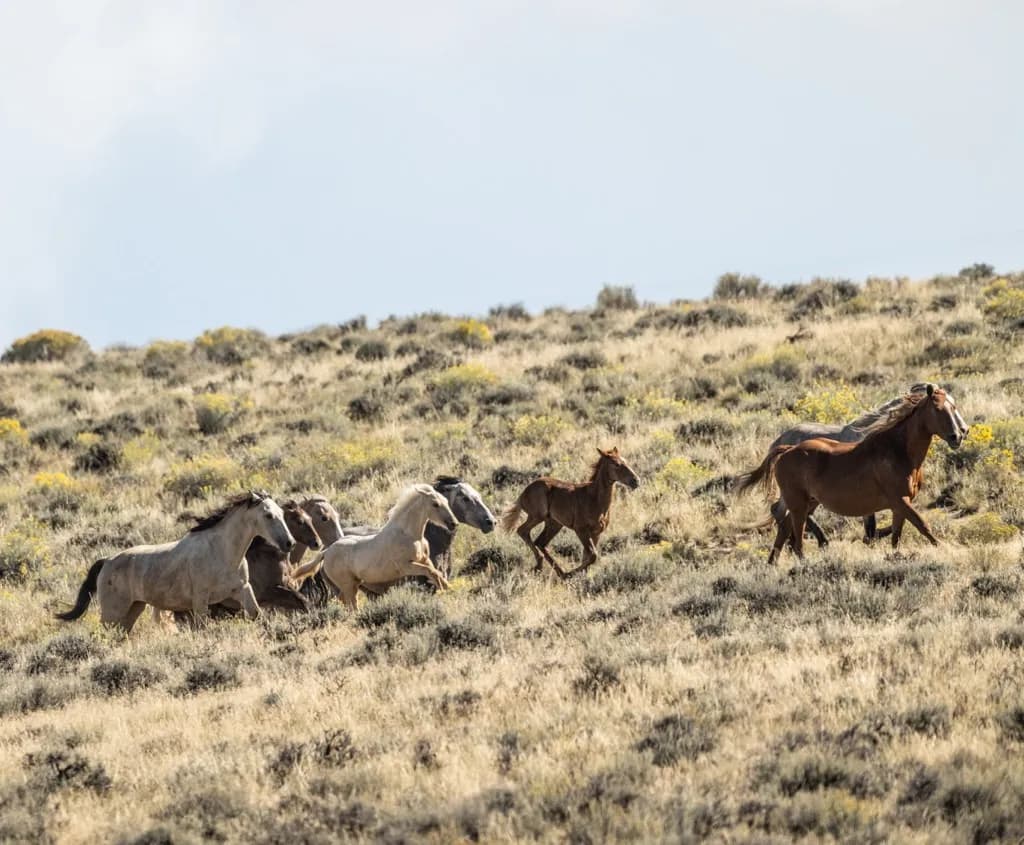
The helicopter banks hard over the Sand Wash Basin, its rotors kicking up a brown cloud that swallows the horizon
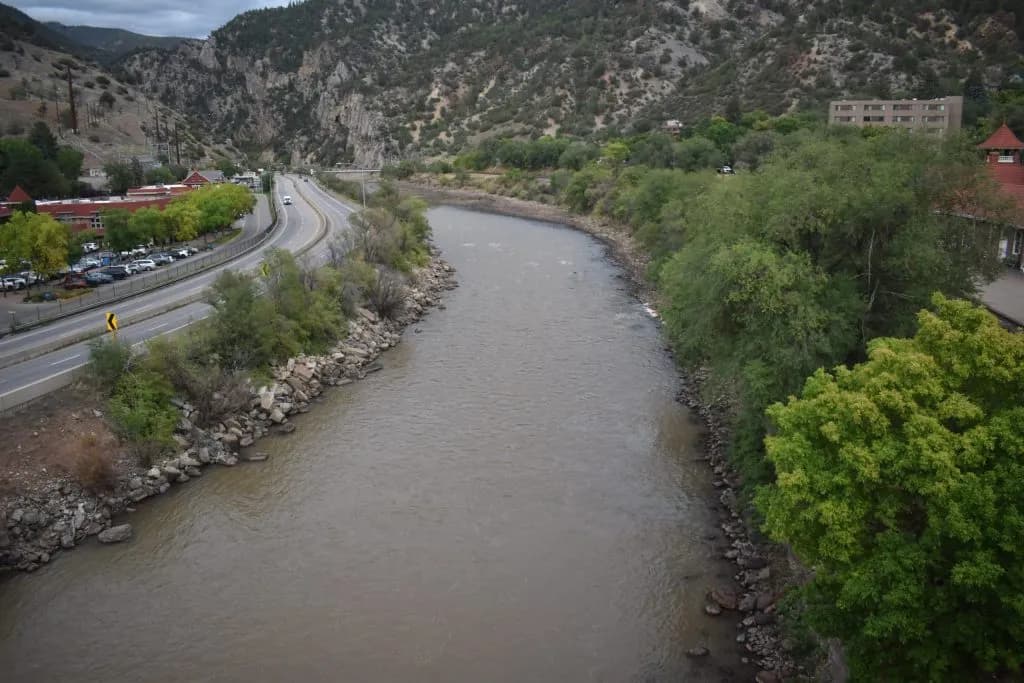
The question hanging over every kitchen table in Grand Junction isn’t about the price of gas or the state of the economy
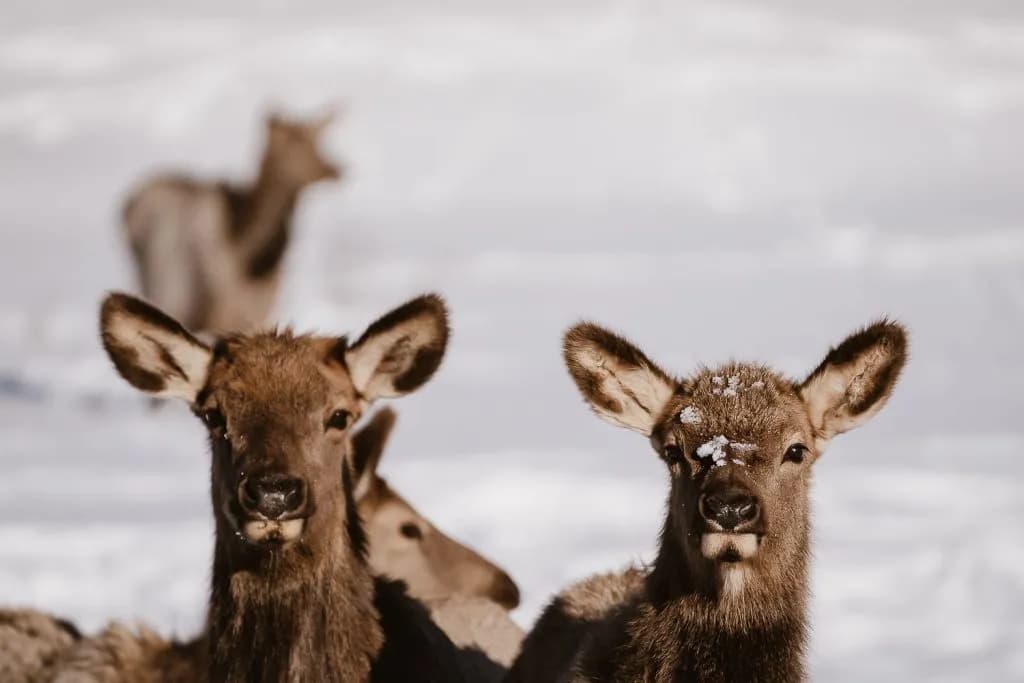
Tucker Vest Burton knows the problem
Federal Report Sets 200,000 Acre-Foot Water Conservation Target for Upper Basin
Colorado Parks and Wildlife Deploys Precision Drones for Weed Control