Denver Botanic Gardens Tests Native Habitat at Lowry Golf Course
The Denver Botanic Gardens and Colorado Golf Association are transforming the rough at Lowry Golf Course into a native habitat demonstration plot to test water conservation and wildlife resilience in Aurora.
Colorado —A $14 million project. Twelve units. That’s the scale of the housing development currently eating into the land around CommonGround Golf Course in Aurora, and it’s a far cry from the "responsible wildlife mecca" the Denver Botanic Gardens and Colorado Golf Association are trying to build in the rough.
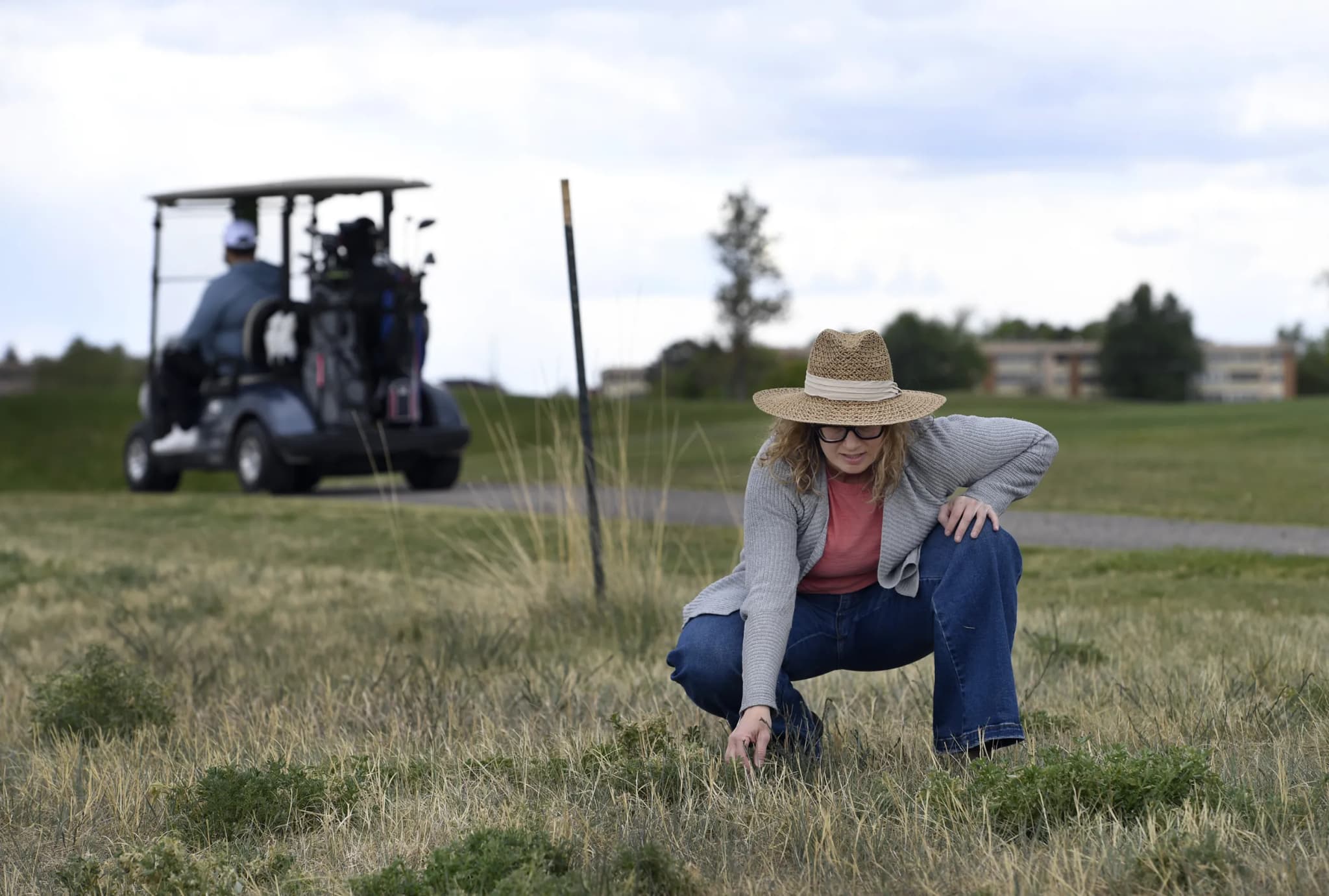
Joe McCleary is crawling on his hands and knees between patches of volunteer alfalfa and brome grass stubble. He isn’t looking for a Titleist. He’s hunting for a blue flax bud the size of a thumbtack. Two feet away, another one sits visible through the straw-colored dormant brome. Then two more. Then another.
It’s working. Three years into the collaboration, native plants are surviving a record-dry winter. But let’s be clear about what this actually is. It’s a teaching course. It’s a demonstration plot. It is not a nature preserve in the traditional sense, and it certainly isn’t immune to the sprawl pressing in from all sides.
The project is a joint effort between the botanic gardens and the Colorado Golf Association, which owns and operates CommonGround at Lowry. The goal was simple on paper: build native habitat in the rough that attracts wildlife and resists drought. In practice, it means less water pumped into the fairways and fewer dubious chemicals sprayed on the grass.
Becky Hufft, associate director of climate resilience at the Gardens, is the one checking the progress. She’s squatting a few feet from McCleary, watching blue flax and blue grama poke through the soil. Birding clubs walk the wetlands once a month to see mountain bluebirds nesting near the second hole. Peregrine falcons have raised a brood. Denver Water even has a test plot between holes 9 and 11 to figure out if waterwise seed-scapes thrive more after tilling or just simple mowing.
“It’s pretty amazing once you get out here how many seeds have survived the three years,” Hufft said.
McCleary, the recently retired chief sustainability officer for the Colorado Golf Association, used to get puzzled stares at horticulture conventions. Now, he’s pointing out plug patterns in the ground. “Boom, boom, boom,” he says, gesturing to the rows of surviving flax.
The course is managed for water conservation and quality. That’s the selling point. The reality is that golf courses are thirsty beasts. They require constant maintenance, irrigation, and chemical inputs. This project is an attempt to prove they can do more with less. It’s an experiment in sustainability, not a guarantee of ecological purity.
The land is in Aurora, specifically at Lowry. It’s adjacent to a rapidly developing area where housing density is increasing every day. The golf course itself is a teaching tool, a place to show off what’s possible when you stop treating the land like a manicured lawn and start treating it like an ecosystem. But the surrounding context is changing fast.
The collaboration between the botanic gardens and the golf association is meant to show that open space doesn’t have to be flooded with precious water. It’s about efficiency. It’s about resilience. It’s about proving that a golf course can be part of the solution, not just part of the problem.
But for the folks living in the shadow of the 14th and 15th holes, the real story isn’t the blue flax. It’s the housing. It’s the traffic. It’s the property taxes. The wildlife is a nice bonus. The development is the main event.
The data shows the seeds are surviving. The birds are nesting. The water usage is lower. But the pressure from urbanization is higher. That’s the trade-off. That’s the reality of building a mecca in the middle of a city that’s still growing.
Keep up with Colorado
The day's Western Slope news, one email each morning. Free.

Federal Report Sets 200,000 Acre-Foot Water Conservation Target for Upper Basin
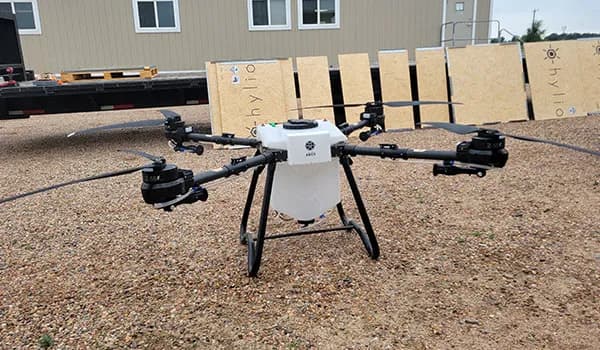
Colorado Parks and Wildlife Deploys Precision Drones for Weed Control