Denver Parks Takes Over Mount Blue Sky Welcome Center
Denver Parks and Recreation assumes control of the Mount Blue Sky welcome center from the US Forest Service, introducing new fees and reservation requirements for the upcoming season.
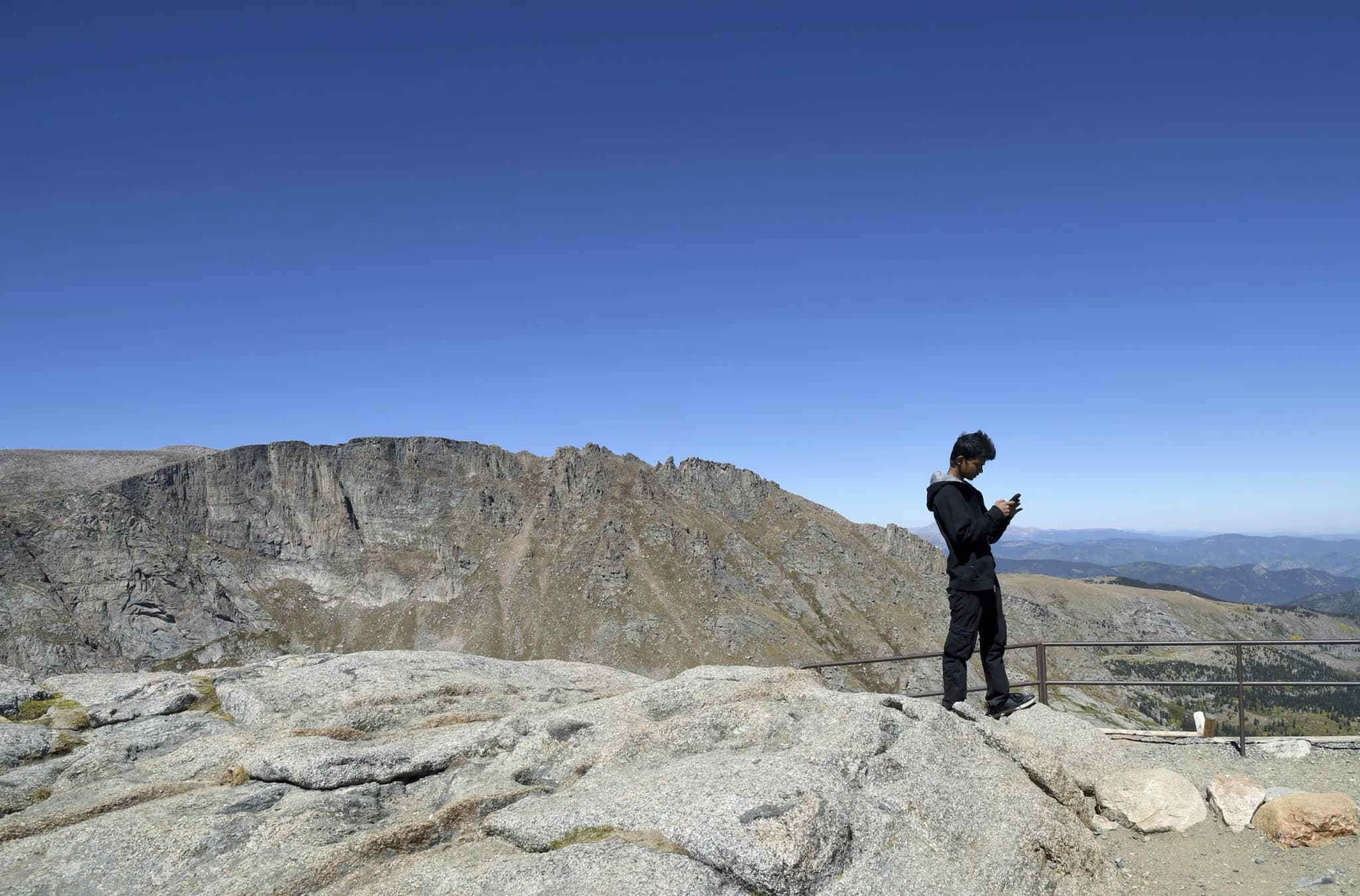
Colorado —The air thins at 14,265 feet, a sharp, thinning bite that catches in the lungs and turns every breath into a conscious effort. It is a sensory reminder that you are no longer just on a road, but on the roof of the world, where the sky bleeds into a deeper, more aggressive blue and the wind carries the scent of pine resin and ancient rock. For decades, that ascent has been defined by the hum of engines and the collective awe of drivers climbing the highest paved road in America. But this year, the rhythm changes. The road to Mount Blue Sky is set to reopen for Memorial Day weekend, but the experience of arriving there — the welcome facility, the fees, the very management of the site — has shifted beneath your tires.
Denver Parks and Recreation is taking the reins.
It is a significant handoff. For years, the U.S. Forest Service managed the welcome center, a role they are now passing to the city. This isn't just bureaucratic shuffling; it’s a realignment of who controls the narrative and the revenue of one of Colorado’s most visited natural assets. The gates on the fee-access upper road will open on May 22, and if you want to summit, you need a reservation. The system goes live in early to mid-May on recreation.gov, a digital gatekeeper that has become as essential as the car itself.
Let’s talk about the cost of that ascent. The fees are changing this summer. You’re looking at $20 for an “all sights” pass for vehicles, $15 for motorcycles. Bikes and pedestrians? They’re free, though the uphill grind is its own currency. Stephanie Figueroa, a spokesperson for Denver Parks and Rec, confirmed the details, noting that the reservation system has been in place since 2021 to manage the crowds that swell to over 100,000 visitors annually. It’s a lot of people pushing against a fragile alpine ecosystem, and the pricing reflects the effort to balance access with preservation.
But the real story isn't just the road; it's what happens once you park. The facility is now staffed by Denver Parks. They are leading the cooperative management agreement, a move that signals a deeper integration of the site into the city’s broader recreational vision. This comes on the heels of a year-long closure for repairs. The Colorado Department of Transportation plowed and fixed the road after it closed Labor Day weekend in 2024, addressing "severe buckling and water drainage issues" that had plagued the asphalt. If you drove up last fall, you remember the detours, the dust, the waiting. Now, the road is smooth again, but the management is different.
And then there’s Echo Lake Lodge.
If you’ve been to the area, you remember the old concessionaire, a family-run operation that served hamburgers, blueberry pie, and postcards for 57 years. Denver ended that contract after the 2022 season, leaving the historic building in limbo. Now, with the $7 million investment approved by voters through the Vibrant Denver Bond, the lodge is getting a facelift. Concept designs are complete, and an architectural firm with historic preservation expertise will develop the full design this year. Construction is expected to take three to five years. It’s a slow burn, but it’s a commitment to preserving the physical history of the place, even as the management structure shifts.
The road is reopening, but the experience is being rewritten. You’ll still climb to the top, you’ll still feel the thin air, but the welcome you receive when you arrive will be different. It will be managed by the city, not the forest service, and it will reflect a new era of stewardship. As you wait in line for your reservation confirmation, remember that this is more than a road trip. It’s a negotiation between access and preservation, between the tourist and the local, between the past and the future. The road is open, but the rules have changed.
The wind picks up at the summit, swirling around the granite peaks, carrying the sound of distant glaciers and the quiet hum of a thousand engines idling below.
Keep up with Colorado
The day's Western Slope news, one email each morning. Free.
Federal Report Sets 200,000 Acre-Foot Water Conservation Target for Upper Basin
Colorado Parks and Wildlife Deploys Precision Drones for Weed Control