Denver Water Faces Severe Shortage Amid Drought
Denver Water, the state's largest water provider, is facing a severe water shortage due to drought, prompting a temporary agreement with Xcel Energy to reduce the Shoshone call and divert more water from the Western Slope.
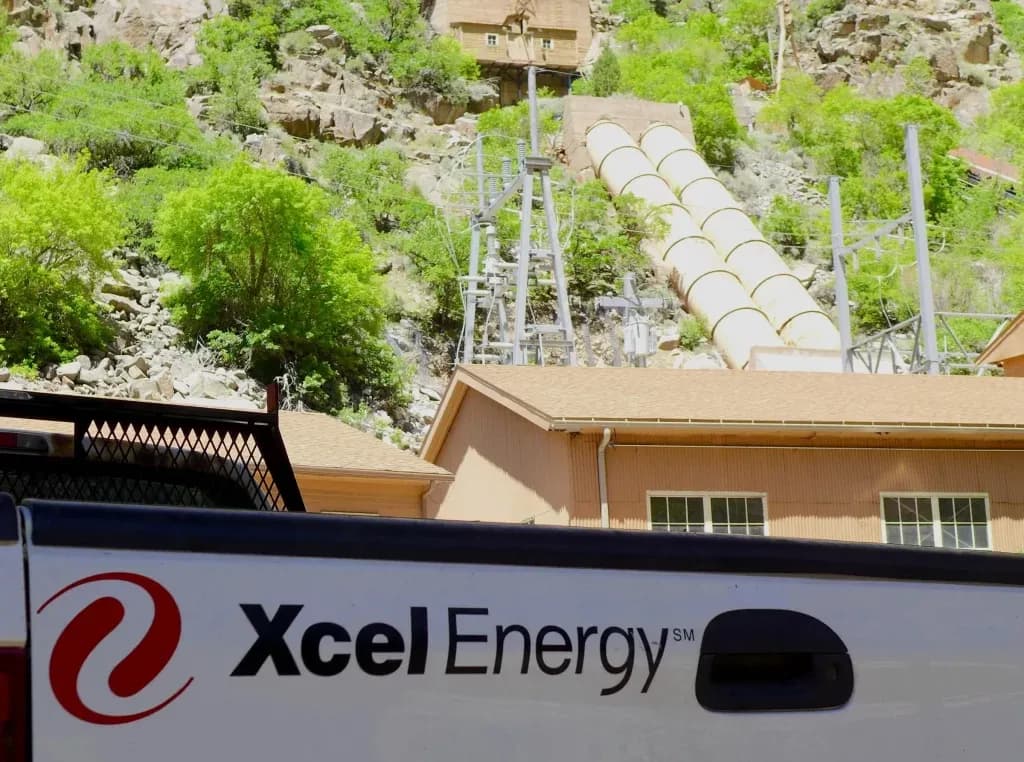
Glenwood Springs —Snowflakes barely dust the Rocky Mountains — a dismal start to the year. The Colorado River, which usually roars through Glenwood Canyon, is a mere whisper of its former self. This isn't just a local problem — it's a Front Range issue. Denver Water, the state's largest water provider, serves 1.5 million people. They're facing a severe water shortage.
Denver Water and Xcel Energy have agreed to reduce the Shoshone call, a move that lets Denver Water divert more water from the Western Slope. The agreement, enacted on March 18, cuts the call at the Shoshone hydroelectric plant from 1,408 cfs to 704 cfs. This isn't a permanent fix; it's a temporary solution to alleviate shortages. The call reduction can only happen when two conditions are met: the April to July streamflow forecast for the Colorado River must be at 85% or less than average, and the forecasted storage for the 10 largest reservoirs of Denver Water must be at or below 80% full.
The numbers are stark. The March water supply outlook for the Colorado headwaters is 56% of normal. Experts expect conditions to worsen when the April forecast comes out. This winter is on track to be one of the worst on record. Denver Water has already declared a Stage 1 Drought and will impose two-day-a-week outdoor watering restrictions this summer. Todd Hartman, Denver Water's Media Relations Coordinator, says they've only taken this step once before - in 2013. They don't do it lightly.
The agreement allows Denver Water to divert additional water until May 20. The water provider gets roughly 50% of its supply from the Colorado River basin. They bring it across the Continental Divide through a complex system of tunnels and reservoirs. The Shoshone water rights, which date back to 1902, are some of the largest and most powerful on the mainstem of the Colorado River. They can command the river's flows all the way to its headwaters, ensuring water keeps flowing downstream on the Western Slope.
When the Shoshone plant's turbines are spinning, it can "call" for its full water right. forcing upstream water users with junior rights, like Denver Water, to cut back. Reducing the call means that water can be used elsewhere. But make no mistake, this is a stopgap measure. The real issue is the drought, and that's not going away anytime soon.
The short version: Denver Water and Xcel Energy are working together to address the drought. But the community needs to understand the implications. The Western Slope will feel the effects of this agreement. Water is a limited resource, and folks around here know that all too well. Read that again; the Shoshone water rights can command the river's flows all the way to its headwaters. That's a significant amount of power.
This agreement will last until May 20. After that, it's unclear what will happen. The drought conditions will still be there, and the state's largest water provider will still need to find ways to supply its 1.5 million customers. The question is - what's next? Will the community come together to address the drought, or will it be every town for itself? Worth watching: how this agreement plays out, and what it means for the Western Slope.
The Shoshone call reduction agreement is a complex issue. It involves multiple stakeholders, including Xcel Energy, the state's largest water provider, and the community. Each of these stakeholders has its own interests and concerns. The water provider needs to supply its customers, Xcel Energy needs to generate power, and the community needs to protect its water resources. The agreement is an attempt to balance these competing interests. However, it's unclear whether it will be successful in the long term.
One thing is certain becomes: The drought is a serious issue, and its impact is undeniable. It's not just a matter of water shortages; it's also a matter of economic and environmental impact. The community needs to take a proactive approach to addressing the drought. This includes conserving water, developing new water sources, and protecting the environment. The Shoshone call reduction agreement is part of this larger effort.
In the end, it's up to the community to decide how to address the drought. The agreement between Xcel Energy and the state's largest water provider is only a starting point. It's a temporary solution to a larger problem. The community needs to come together to find a long-term solution. That's the only way to ensure that the Western Slope has a sustainable water future. The community can't just rely on short-term fixes; it needs to think about the bigger picture.
The Western Slope is a unique region. It has its own distinct character and challenges. The community here is tight-knit and resourceful. However, it's also a region that's deeply affected by the drought. The Shoshone call reduction agreement is just one example of how the drought is impacting the community. It's a complex issue that requires a thoughtful and proactive approach. The community needs to be aware of the implications of this agreement and think about how it will affect the region in the long term.
That's what locals will be watching, how this agreement plays out, and what it means for the Western Slope. The community will be looking for answers, and it will be looking for leadership. The drought is a serious issue, and it requires a serious response. The Shoshone call reduction agreement marks a crucial step in addressing the drought, and the community will be waiting to see what comes next. The community needs to do more to address the drought and ensure a sustainable water future.
Keep up with Glenwood Springs
The day's Western Slope news, one email each morning. Free.

Twin Lakes Releases 2,500 Acre-Feet to Save Upper Arkansas River

Glenwood Springs Resident Calls for Active Citizenship Amid AI Data Center Water Threats