Denver Water Charges Non-Conserbers $45 Surcharge Amid Historic Low Snowpack
Denver Water unanimously votes to impose a $45 surcharge on non-conserber residents and a $52 penalty for suburbanites due to historic low snowpack and Stage 1 drought restrictions.
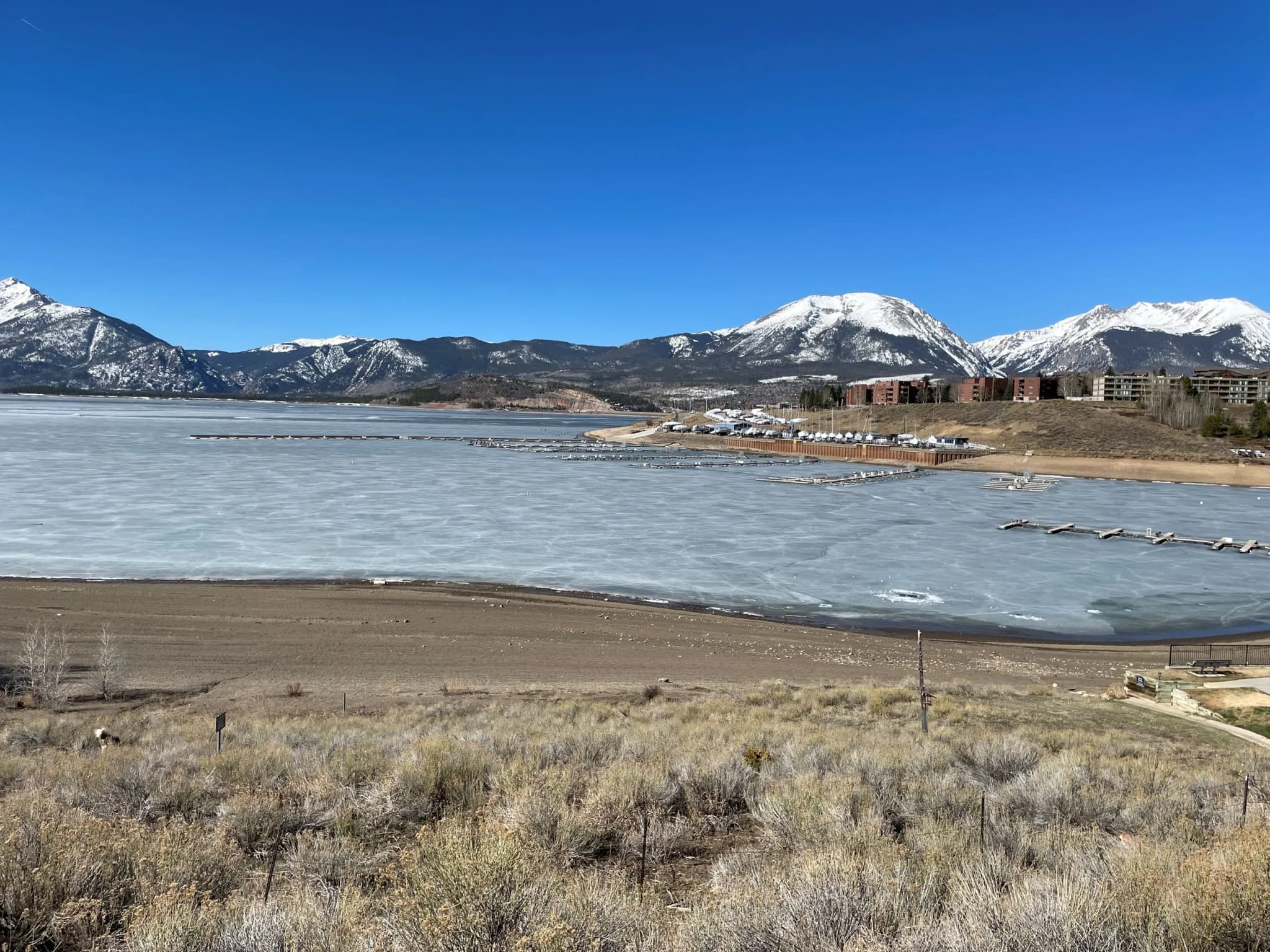
Colorado —A $45 hit. That’s the price Denver Water is charging the average "non-conserver" resident to keep their lawn green while the city’s primary reservoir, Lake Dillon, sits in rough shape. For context, that’s more than what Delta County spends on road maintenance in a single year, if you want to stretch the comparison. But for the 1.5 million Front Range customers staring at historic low snowpack, it’s a direct tax on water waste.
Denver Water’s board voted unanimously on Wednesday to lock in these surcharges for the 2026 season. The agency is warning that hopes for a "Miracle May" snowstorm are dimming. The snowpack in the Colorado River and South Platte River basins is at historic lows. Stage 1 drought restrictions are now in effect. They’re also telling you to leave your irrigation systems off until mid-to-late May. Let’s be clear: lawns are dormant. They don’t need water right now. They need time to wake up.
The math here is specific. A "non-conserver" is defined as someone who used an average of 104,000 gallons last year but fails to cut that use by 20% in 2026. If you’re in the suburbs Denver Water serves — Lakewood, Centennial, Littleton — you’re looking at a slightly higher bill. The average suburban non-consumer will pay about $52 extra over the summer. That’s a $7 premium over the city resident. Geography matters.
The goal isn’t to punish everyone. It’s to hold 2025 costs steady for indoor use. Showers, laundry, cooking. Those costs stay flat. The agency uses a Tier 1 benchmark based on your January, February, and March usage. Since you aren’t watering your grass in winter, that baseline is purely indoor consumption. It’s individual. It’s fair.
Then comes the penalty structure. Tier 2 kicks in above that indoor average, up to 15,000 gallons a month. You pay $1.10 per thousand gallons in this tier. Denver Water calls this "efficient use of water outdoors." If you’re using water to keep your grass alive during a drought, you’re in Tier 2. It’s manageable.
Tier 3 is where the pain starts. Anything above 15,000 gallons a month hits an extra $2.20 per thousand gallons, on top of previously set 2026 rates. The agency says this highest price point is designed to signal "potentially excessive water use" and encourage conservation among large-lot customers. In practice, it means if you have a massive lawn and you’re running the sprinklers like it’s 2015, your bill will spike. Fast.
The restrictions are equally tight. Stage 1 limits irrigation systems to two days a week. Your assigned days are tied to your house number. You can still hand-water trees, shrubs, and vegetable gardens. But all that system watering has to happen outside of daytime hours. The rule is simple: stop wasting water during the hottest part of the day when evaporation rates are highest.
This isn’t a suggestion. It’s a financial lever. Denver Water is using price to force behavior change because the physical storage isn’t there to support business-as-usual. The snowpack is low. The reservoir is low. The surcharges are the only tool left to balance the books without raising rates for everyone’s basic indoor needs.
For locals, the impact is immediate. If you’re a non-consumer in Denver, expect that $45 increase. If you’re in the suburbs, it’s $52. If you ignore the restrictions and keep watering large lawns during the day, you’re paying double the efficient rate. The board voted. The rules are set. The water is getting more expensive because it’s getting scarce.
Keep up with Colorado
The day's Western Slope news, one email each morning. Free.

Federal Report Sets 200,000 Acre-Foot Water Conservation Target for Upper Basin
Colorado Parks and Wildlife Deploys Precision Drones for Weed Control