Denver Water’s $600M Gross Reservoir Expansion Heads to 10th Circuit
Denver Water’s $600 million Gross Reservoir expansion faces a critical appeal in the 10th Circuit Court of Appeals on July 31, as settlement talks fail and climate change concerns threaten the project's water transfer logic.
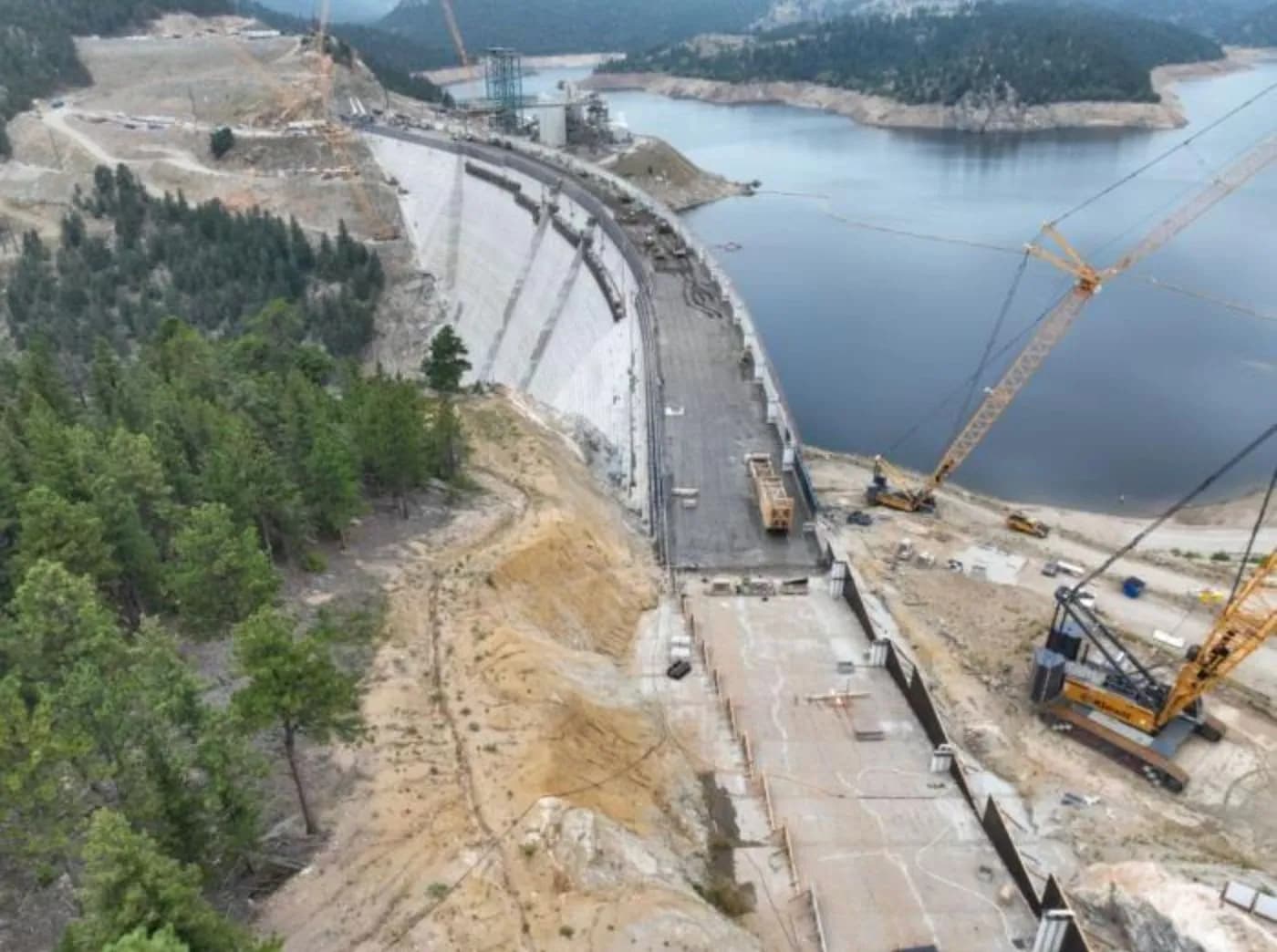
Colorado —Denver Water’s $600 million Gross Reservoir expansion is stuck in legal limbo. Settlement talks collapsed. Now, the dispute heads back to the U.S. Court of Appeals in July.
The question isn’t if the dam gets built. It’s whether Denver Water can ever fill it.
The 10th Circuit Court of Appeals will hear oral arguments on July 31 in Santa Fe. This is the appeal of a ruling that already halted key parts of the project. Federal Judge Christine Arguello issued an injunction in April 2025. She blocked Denver Water from clearing more trees or filling the new reservoir space.
Denver Water wants that injunction nullified. They argue safety requires them to keep building and reinforcing the higher dam. But the block on filling remains.
The root cause goes back to October 2024. Arguello ruled that the U.S. Army Corps of Engineers unlawfully issued permits for the expansion. The Corps failed to properly consider alternatives that would have caused less damage to wetlands.
She also flagged a critical, often overlooked risk: climate change. The Corps didn’t thoroughly analyze if lower precipitation in the Western Slope catchment area means Denver Water won’t always have the right to transfer water from the Colorado River Basin into an expanded Gross Reservoir.
That’s a direct threat to the project’s core logic. The expansion relies on moving water from the west to the east. If the river runs low, the water might not be there to move.
Negotiations between Denver Water and Save the Colorado failed to produce a mitigation deal. Gary Wockner of Save the Colorado says there is still no agreement. He calls the project “ill-conceived from the get-go.”
Wockner points to the current drought. He argues it bolsters their case.
“Given the extreme drought and political chaos on the Colorado River, we believe district court Judge Arguello’s ruling is now more important than ever,” Wockner said. “She cited how the new depletion would further drain the river and how climate change was intensifying and reducing flows.”
Denver Water counters that the injunction destroys decades of careful work. They say it disrupts the balance of a system serving 1.5 million metro residents. The agency planned this expansion for more than two decades. They view the halt as a disruption of essential infrastructure for Boulder County and the broader Front Range.
But the opponents aren’t budging. They see the climate data as the deciding factor. The Western Slope — the source of the water — is drying up. The Eastern Slope, the destination; is growing. The bridge between them is getting narrower.
The injunction is specific. It stops tree clearing. It stops filling. It does not stop all construction. Denver Water can still reinforce the dam. They just can’t use the new space until the legal battle is settled or a new deal is struck.
There is no new deal.
The court date is set. The arguments will be rehearsed. The water agency and the environmentalists will go to bat in Santa Fe. One side sees a vital utility asset under threat. The other sees an ecological liability waiting to happen.
The short version: The dam stays higher. The water stays out. Until July 31, and likely long after.
Wockner says they have a “very strong case in the court of appeals.” Denver Water says the injunction is a threat to public safety and service reliability.
Neighbors in Boulder County are left watching. The trees remain standing. The reservoir stays empty. The $600 million sits in legal fees and delayed returns.
The clock is ticking toward late summer. The river is still low. The politics are still chaotic. And the water isn’t flowing any easier than it was before.
Keep up with Colorado
The day's Western Slope news, one email each morning. Free.
Federal Report Sets 200,000 Acre-Foot Water Conservation Target for Upper Basin
Colorado Parks and Wildlife Deploys Precision Drones for Weed Control