Eagle County Invests $5.75 Million in Vail Affordable Housing
Eagle County has committed $5.75 million to support affordable housing units in Vail's Timber Ridge Village redevelopment, a partnership with Habitat for Humanity and the town of Vail.
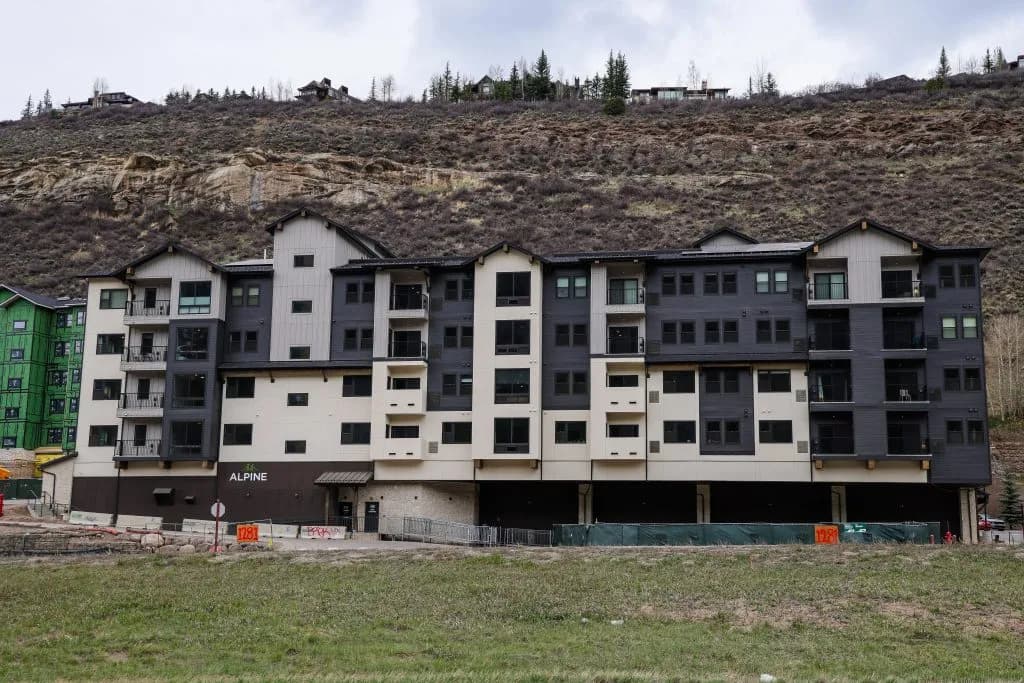
Aspen —Snowflakes fall gently on the north side of Interstate 70 in Vail, where construction crews are hard at work on the Timber Ridge Village redevelopment. The sound of hammering and drilling fills the air as workers build 302 for-sale units, ranging from studios to four-bedroom apartments. This project is a partnership between the town of Vail and Triumph Development, with a unique twist - all units will be subject to resident-occupied deed restrictions.
Eagle County has just committed $5.75 million to make 15 of these units more affordable for the county's lowest earners. This investment is part of a partnership with Habitat for Humanity Vail Valley, and it's the largest per-unit commitment the county has made to affordable housing. The 15 units will be available for purchase by community members earning between 35 and 80% of Eagle County's area median income. To put that in perspective, the area median income in Eagle County is around $93,one thousand - so we're talking about households making between $32,000 and $74,000 per year.
Commissioner Matt Scherr says the county is solving the complexities of housing by collaborating with organizations like Habitat for Humanity. "We're not creating complexities in housing. They exist," Scherr said. "What we have is tremendous collaboration... who are solving those complexities in order to get housing done." The county's housing director, Kim Bell Williams, notes that this partnership marks the first time the housing authority has had a significant number of deed-restricted units in Vail.
The town of Vail is also contributing $5 million to buy down a total of 30 Habitat for Humanity units in this development. This is a significant investment, and it's worth watching to see how it plays out. The county started talking to Habitat for Humanity about contributing funds to lower the cost for some units in late 2024. At the time, the Eagle County Housing and Development Authority committed $2 million to partner with Habitat for Humanity and the town of Vail to reduce the purchase price of 10 three-bedroom units. (Vail also contributed $2 million at the time.)
The conversation between the county and Habitat for Humanity resumed in July, and again in the fall, with a request for more funding to support more Habitat for Humanity units with the lower area median income cap. The county's $5.75 million contribution is a major step forward, but it's not without its complexities. The short version is that the county is trying to make housing more affordable for its lowest earners, but it's a challenging problem to solve.
Make no mistake, $5.75 million is a lot of money - that's what Eagle County spends on road maintenance in a year. But the question is, will it be enough to make a dent in the affordable housing crisis? The county's investment will certainly help, but it's only a small part of the solution. As the project moves forward, it's worth keeping an eye on how the funds are being used and what kind of impact they're having on the community.
The first residents of the development moved in this winter, and it will be interesting to see how the project evolves over time. The county's goal is to provide more units in Vail that are accessible to those earning lower incomes, but it's not clear yet whether this project will be a success. One thing is certain is replaced with: The need for affordable housing in Eagle County is not going away anytime soon.
Read that again: 35 to 80% of the area median income. That's a wide range, and it's not immediately clear how the county plans to allocate the units or prioritize applicants. The county's housing director, Kim Bell Williams, called the partnership with the town of Vail a "huge victory" for the housing world, but the devil is in the details. What's the plan for maintaining these units over time, and how will the county ensure that they remain affordable for the intended buyers?
The county's $5.75 million investment is a significant step forward, but it's only the beginning. As the project moves forward, it's worth watching to see how the funds are being used and what kind of impact they're having on the community. The need for affordable housing in Eagle County persists, and it will take more than just money to solve it.
Keep up with Aspen
The day's Western Slope news, one email each morning. Free.