Eagle County Pushes Rails-to-Trails Plan for Tennessee Pass
Eagle County commissioners backed a letter to the Surface Transportation Board supporting a rails-to-trails conversion of the dormant Union Pacific Tennessee Pass corridor.
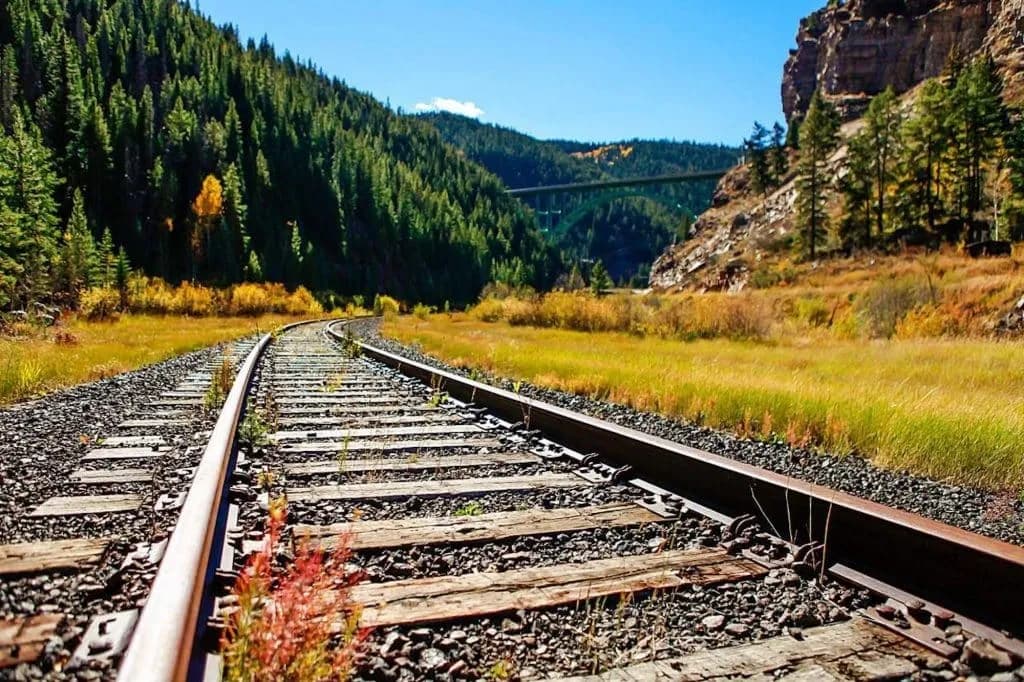
Aspen —The Tennessee Pass cuts through the high country like a scar, the dormant tracks of the Union Pacific running parallel to the Eagle River. For decades, this stretch of steel has sat silent, a relic of the 1996 merger that left it idle while the world around it shifted toward cars and trucks. Now, that silence is breaking.
The noise is coming from a collision of agendas. On one side, the Eagle County Board of Commissioners has pushed a letter to the U.S. Surface Transportation Board (STB), seeking to codify support for the "Heart of the Rockies" rails-to-trails plan. This is the vision of the Vail Valley Mountain Trails Association, led by Executive Director Ernest Saeger. Their goal is to trigger the abandonment process, allowing the State of Colorado to step in and initiate "railbanking." This legal mechanism preserves the right to return to rail service later, but it opens the door for immediate recreational use.
Saeger argues that this is the only path forward under current ownership. “None of that conversation is possible because UP is not going to initiate it in the current ownership and control that they have,” he wrote in an email response to critics. He sees railbanking as a compromise that allows communities to engage and define whether the corridor becomes a trail, a passenger line, or a hybrid.
But passenger rail advocates aren’t buying the idea that a recreational trail is the priority. Connor Roth, a resident of the Arkansas River Valley and a voice for the Western Rail Coalition, has been making waves with his YouTube channel, “The Off Grid Urbanist.” In a video titled “Rails AND Trails on The Tennessee Pass,” Roth argues that converting a functional corridor into a bike path ignores the transit needs of 21st-century Colorado.
Roth points out that car culture has become prohibitively expensive, making the preservation of existing rail infrastructure critical. “We’re not exactly living in the land of plenty when it comes to rail,” he said. He criticizes the proponents of the trail conversion, suggesting they are a demographic that benefited from cheap fuel and abundant resources in the latter half of the 20th century. To them, rail was a surplus relic; to Roth, it’s a lifeline.
This debate is playing out against the backdrop of a massive industry shift: the proposed merger of Union Pacific and Norfolk Southern. The STB is weighing the implications of this consolidation, and local stakeholders are using the opportunity to insert their own priorities into the federal record. For Eagle County, the stakes are high. The decision made in Washington D.C. will determine whether the corridor becomes a scenic byway for e-bikes or a vital artery for regional transit.
The irony is not lost on anyone. The very agency whose inaction allowed the line to fall dormant is now the arbiter of its fate. As the STB deliberates, the tracks remain empty. But the argument over what should fill that space is getting louder. Whether it’s the hum of a commuter train or the click of bicycle tires on gravel, the future of the pass is being written in real-time. And unlike the rail itself, that story isn’t going anywhere.
Keep up with Aspen
The day's Western Slope news, one email each morning. Free.