Eagle County Recycling Jammed by Wishcycled Plastic Bags
Plastic bags are jamming Eagle County’s recycling facility, forcing workers to clear tangled debris. Local officials urge residents to stop bagging recyclables and check specific acceptance lists to prevent costly contamination.
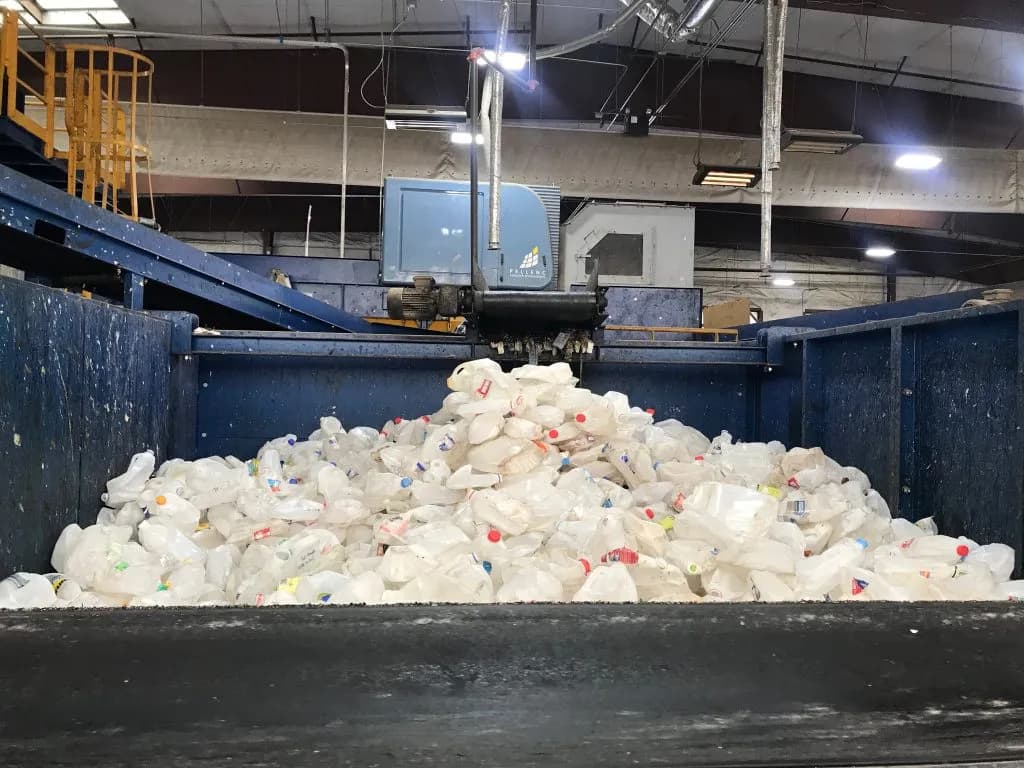
Aspen —The hum of the conveyor belt is a low, industrial thrum that vibrates through the soles of your shoes. In the Eagle County Materials Recovery Facility, that sound is usually accompanied by the sharp clack of glass jars and the soft rustle of flattened cardboard, a rhythm that keeps the local recycling stream moving. But then comes the jam. A plastic grocery bag, twisted into a knot around a steel can, stops the line dead. The machinery shudders to a halt, and a worker has to step in, reaching into a tangle of unknown materials that might be sharp, wet, or worse. This is the physical cost of wishcycling, a habit that feels virtuous in your kitchen but becomes a logistical headache two miles north of Wolf Creek.
Wishcycling is what happens when you put something in the recycling bin “just in case.” It’s a term for placing non-recyclable items into the stream with the hope that they can be processed. The intention is undeniably good; you’re trying to keep waste out of the landfill. But as reported by the Vail Daily, these misplaced items contaminate otherwise clean recyclables and damage equipment. In some cases, the contamination is so severe that entire loads of material are rejected, sending your careful sorting back to where it started.
The confusion often stems from the chasing arrows symbol stamped on plastic products. If you look closely at a yogurt tub or a detergent jug, you’ll see that symbol with a number inside. That number doesn’t tell you if the item is recyclable; it simply identifies the type of plastic resin. It’s a material code, not a green light. This distinction matters because recycling rules are not universal. An item accepted in Denver might be a contaminant here in Eagle County, because the local market for that specific material doesn’t exist.
The Vail Daily notes that the Eagle County MRF accepts glass bottles and jars, aluminum and steel cans, cardboard, office paper, magazines, and plastics #1 and #2. The rule of thumb is simple: bottles, tubs, and jugs. Think of your soda bottle or your milk carton. But the to-go coffee cup? The fast food container? Those are currently a no-go in Eagle County, even if they’re recyclable elsewhere. There’s no market for them here, so when they enter the stream, they’re just waste that slows everything down.
Plastic bags are the biggest offender. They are the number one contaminant at the facility. When they get tangled in the machinery, they cause operational delays and pose a safety risk to workers who may not know what’s inside the bag. The advice is counterintuitive but necessary: don’t bag your recyclables. Set them free. Let the sorting machines do their job without fighting through a mesh of plastic.
Styrofoam, children’s toys, and scrap metal also belong in the trash or a specific drop-off site, not the blue bin. For those items that truly can’t be recycled — like hazardous household waste — Eagle County has a robust Household Hazardous Waste Facility at the Eagle County Landfill. It’s worth the drive if you’re holding a bottle of paint or an old battery, but for daily household waste, the local guidelines are your best guide.
The next time you’re standing in front of two bins, holding a crumpled plastic cup, pause. Ask yourself if it’s actually recyclable here. If you’re unsure, the trash bin is the safer bet for the system’s health. The recycling stream relies on consistency, and every item that doesn’t belong is a small friction point in the machine.
Outside the facility, the afternoon light hits the dust motes dancing above the sorting line. The air smells faintly of ozone and old paper. It’s a quiet, industrial scene, but it’s working because people are paying attention to what they throw away.
Keep up with Aspen
The day's Western Slope news, one email each morning. Free.