Eagle County Exceeds Recycling Rates with Ambitious Goals
Eagle County surpasses state and national recycling rates, but experts say more work is needed to achieve ambitious climate action plan goals by 2030.
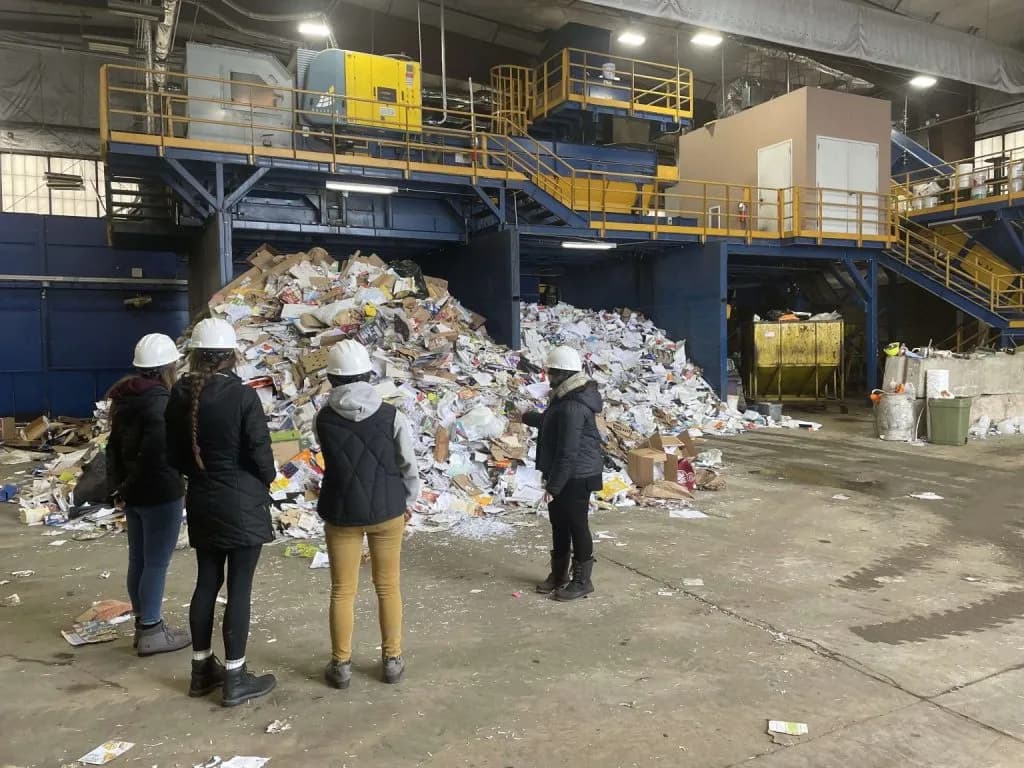
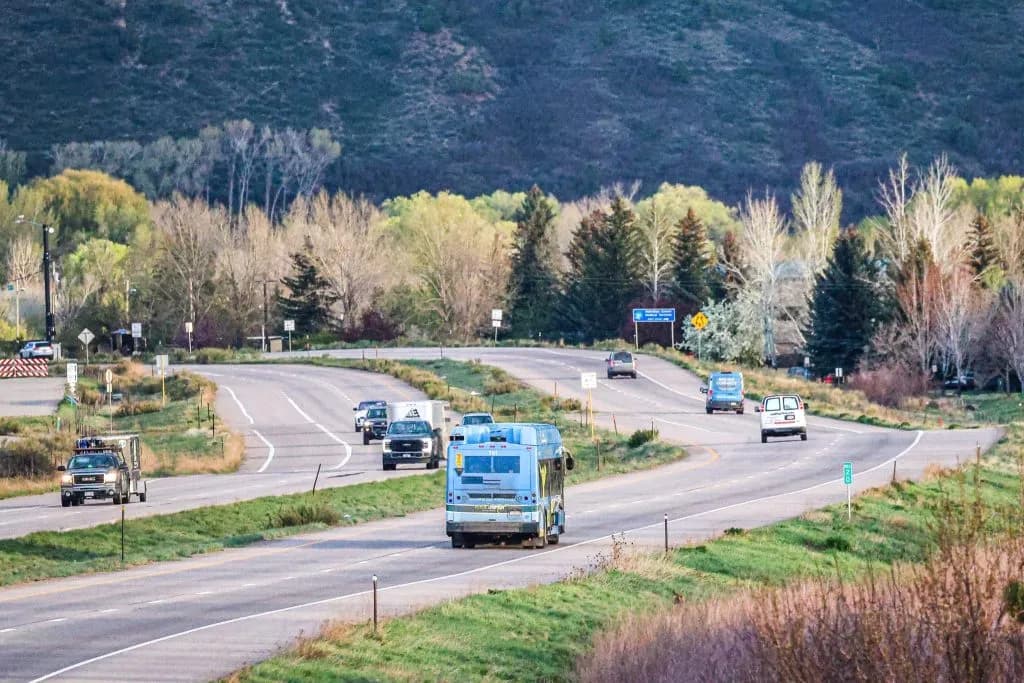
Aspen —Snow-capped mountains tower over the Eagle County landfill, a stark contrast to the waste buried beneath. The sound of recycling trucks rumbling down Highway 6 is a familiar one — Eagle County is already outpacing state and national recycling rates. But that's not enough for sustainability experts, who are pushing for more.
Eagle County's overall diversion rate was 23% in 2024, with a recycling-specific rate of 31%. These numbers are higher than the state average of 15.7% and the national average of 21%. Melissa Kirr, senior programs director of sustainability for Walking Mountains Science Center, attributes this success to infrastructure, access, and policy. The county has legislation guiding residents and businesses toward recycling, making it easily accessible through curbside pickup and free drop sites.
Avon and Vail have their own impressive numbers — 28% overall diversion rate and 33% recycling rate in Vail, and a 28% overall diversion rate in Avon. Large-scale public events in these areas often reach high diversion rates, thanks to zero-waste staff and systems. Charlotte Lin, town of Avon's sustainability manager, notes that achieving high diversion rates at these events is crucial, given the area's tourist-driven economy. The numbers are impressive, 83 to 90% diversion rate at special events.
The county's climate action plan is ambitious, aiming for a 40% overall diversion rate, 80% organics diversion rate, and 100% construction and demolition waste diversion rate by 2030. To achieve this, the county will need to make significant changes. Kirr emphasizes that behavior change is already happening, with more residents choosing to divert their waste each year. While recycling is opt-in for some, many municipalities and haulers make it easy, and some even make it mandatory.
The dual-stream recycling system is free and available to all single-family homes. Multifamily units have access to recycling, although it can be more complicated. Kirr notes that everyone has the ability and access to recycle, and it's up to individuals to take advantage of these resources. The county's outlets for harder-to-recycle materials, like construction and demolition materials and compost, are also a key factor in its success.
Make no mistake, the current recycling rates are a positive trend. But there's still work to be done. The county will need to continue to educate residents and businesses on the importance of recycling and provide accessible resources to achieve its ambitious goals. As Kirr says, "we could do better." The question is, what will it take to get there?
Challenges Ahead
One of the challenges facing the local community is the lack of a comprehensive plan for multifamily units. While these units have access to recycling, it's often more complicated than for single-family homes. The county will need to address this issue to ensure all residents have equal access to recycling resources. Additionally, the climate action plan is ambitious, and it will require significant changes to achieve its goals. The community will need to come together to support these efforts and make recycling a priority.
The short version is that the county is on the right track, but there's still much work to be done. Recycling rates are higher than the state and national averages, but there's room for improvement. By continuing to educate residents and provide accessible resources, the goals of the climate action plan can be achieved. Read that again; 40% overall diversion rate, 80% organics diversion rate, and 100% construction and demolition waste diversion rate by 2030. These are not just numbers; they represent a commitment to reducing waste and promoting sustainability.
As the county moves forward with its climate action plan, what's not being said is what will happen to residents who don't comply with recycling regulations? How will the county ensure that all residents have access to recycling resources? These are questions that need to be answered, and the community will be watching closely. Worth watching is how the county's efforts will impact the local economy and environment. Will businesses be incentivized to adopt sustainable practices? How will the recycling efforts affect the local job market? These are all questions that will be answered in the coming years as the climate action plan unfolds.
In the town of Avon, residents are already seeing the benefits of the recycling efforts. The town's sustainability manager, Charlotte Lin, notes that the community is coming together to support recycling initiatives. This is a trend that's expected to continue as the county moves forward with its plan. The community will be key in helping to achieve the goals, and residents must be educated and engaged in the process.
As the county continues to push toward its recycling goals, it's clear that this is a story that will be unfolding for years to come. The efforts will have a significant impact on the local environment and economy, and the community must be informed and engaged throughout the process. For now, the focus is on achieving those ambitious goals - 40% overall diversion rate, 80% organics diversion rate, and 100% construction and demolition waste diversion rate by 2030. The clock is ticking, and the community will be watching closely to see if the goals can be delivered.
Keep up with Aspen
The day's Western Slope news, one email each morning. Free.