Eagle County's New Wildfire Crew Keeps Fires From Spreading
Eagle County's new multi-agency wildfire crew suppressed blazes before they spread, keeping fire engines available for other emergencies while leveraging lodging tax revenue.
Aspen —Eagle County didn’t dodge the wildfire season. It just hid it from you.
Paul Cada, the wildland program manager for Vail Fire and Emergency Services, knows the math. The county is "well above average" in fire counts. But most neighbors haven’t seen a single plume of smoke. Why? Because the fires were put out before they grew. That is the whole trick.
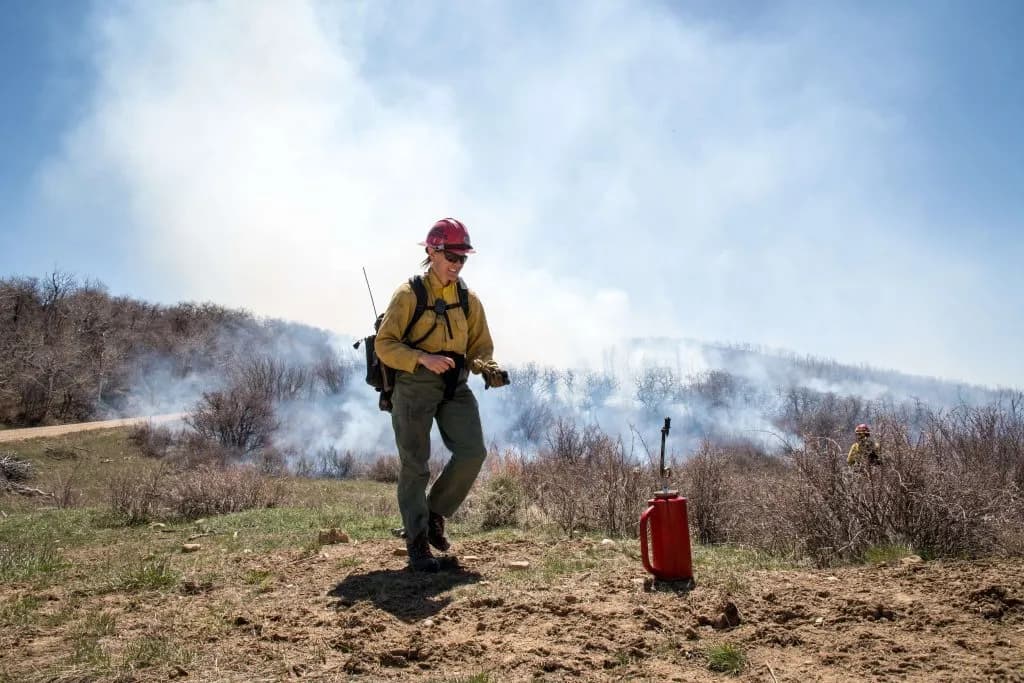
This quiet success belongs to a new unit: the Battle Mountain Wildfire Suppression Module. It is a supergroup. It pulls firefighters from four distinct agencies. Vail Fire. Eagle River Fire. Greater Eagle Fire. Gypsum Fire. They work as one crew.
The setup is simple. Eight to ten firefighters staff the module daily. It has run since May. These crews don’t drive a fire engine to the scene. They bring hand tools. They bring chainsaws. They operate self-sufficiently. They stay on the site for long hours.
This matters. Usually, a department commits a fire engine to a blaze. That engine is out of service. It cannot respond to a car crash. It cannot handle a house fire. With the Module, the departments keep their engines in the station. The Module handles the wildland work. The engines handle the rest.
Cada calls it a "force multiplier." He sees it as a gap-filler. It crosses jurisdictional lines. It takes the old mutual aid spirit and amps it up. Wildfire is too big for one agency. The U.S. Forest Service, the Town of Vail, and Eagle County all lean on each other. Now they share a dedicated crew.
The money is real. The work started in January. It followed the passage of the 2% lodging tax last fall. Part of that tax revenue goes to fire protection. The county now funds a slice of the Module’s operations.
Hugh Fairfield-Smith, the division chief of wildland and fire management for the Eagle River Fire Protection District, pointed to that funding. He said the county support was the big driver. It pushed the coalition to launch fast.
The daily grind is less dramatic than a blaze. The crews focus on preparedness. They mitigate risk. They clean up flammable debris. They clear emergency access routes. They build resilience. They do the slow work so the fast work doesn’t have to happen.
Tim Swaner, another representative from the Eagle River Fire Protection District, tracked the output. He counted the hazard assessments. The number is climbing. The module is finding the risks before they become fires.
Make no mistake. This is not a press release. It is a shift in how the valley fights fire. The agencies stopped treating each other as separate entities. They treated the fire as one enemy. They formed a crew to match that reality.
The result is a county that is safer than the headlines suggest. The fires happened. They just didn’t stick. The Module kept the engines free. It kept the crews focused. It turned a seasonal threat into a managed process.
Read that again. The fires happened. They just didn’t stick.
That is the story. Not the smoke. Not the heat. The silence. The quiet work of a supergroup that refused to let the season define the outcome. They took the average and beat it. They did it with hand tools and shared budgets. They did it while you drove past, unaware that the danger had already passed.
Worth watching. The next season will test the model. Will the funding hold? Will the four agencies stay aligned? The infrastructure is built. The proof is in the low fire count. The rest is execution.
The short version: Eagle County is fighting a war it isn’t letting you see. And it’s winning.
Keep up with Aspen
The day's Western Slope news, one email each morning. Free.