EPA Weighs Targeted Cleanup as Cotter Corp Claims It Cannot Pay $4.7M Bond for Cañon City Uranium Mill
The EPA investigates whether Cotter Corp can afford its $4.7 million bond for the Cañon City Superfund site, weighing a risky 'targeted cleanup' of contaminated soil against the company's claim of being broke.
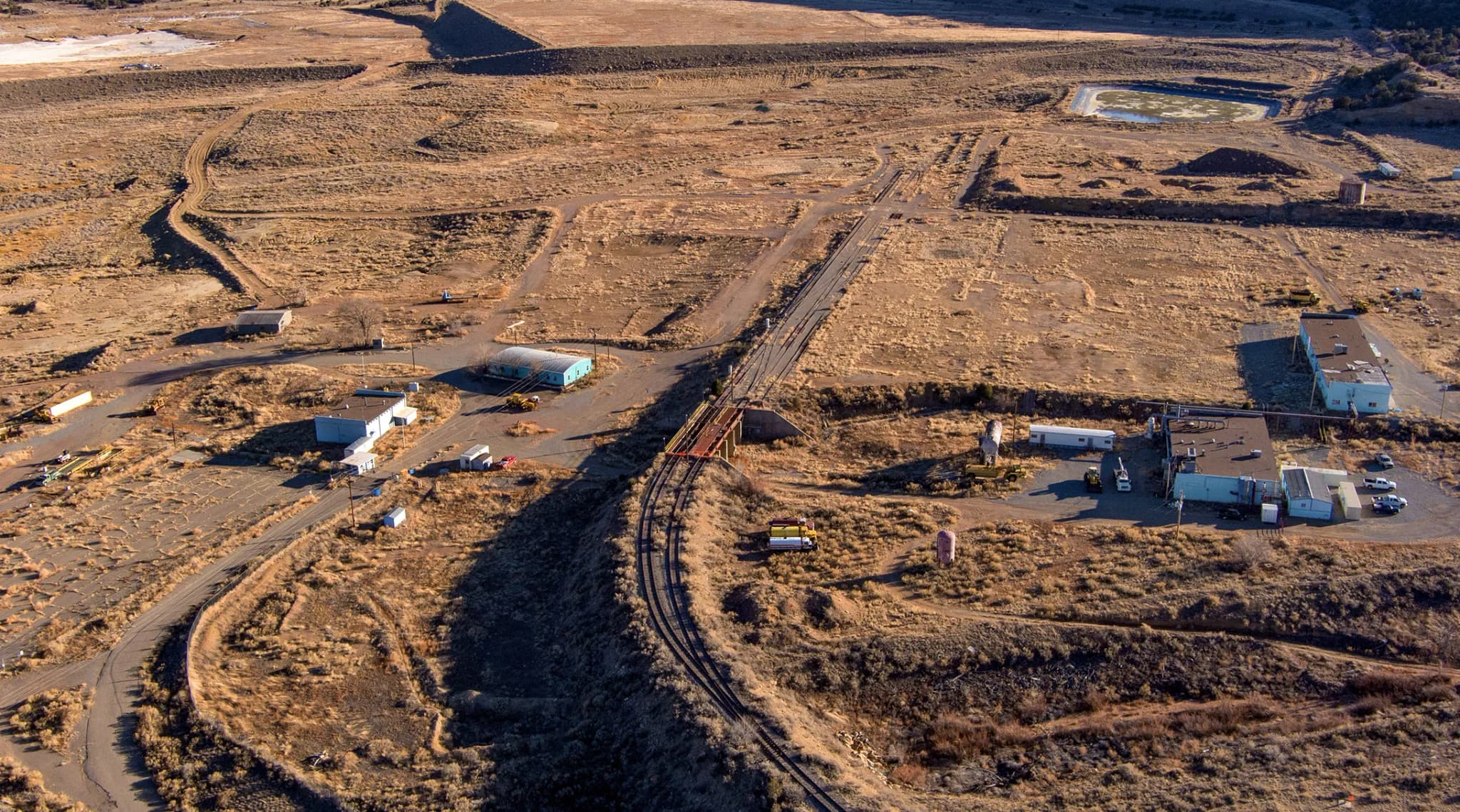
Colorado —The air in the Lincoln Park Community Hall feels thick, not just with the humidity of a late May evening, but with the weight of forty-two years of waiting. About two dozen neighbors sit on folding chairs, eyes fixed on a screen projecting grainy slides of contaminated soil. Outside, the Arkansas River cuts its familiar path south, indifferent to the radioactive dust settling on the banks. Inside, the question is simple: who pays to clean up the mess when the company that made it says it’s tapped out?
Cotter Corp. is claiming it doesn’t have the cash to post a $4.7 million bond. That bond was supposed to guarantee the completion of risk assessment work at the Superfund site around its former uranium mill, just two miles south of Cañon City. Now, behind closed doors, the Environmental Protection Agency’s enforcement division is digging through the company’s financial records to see if the claim holds water.
Paul Stoick, the EPA’s remedial project manager, didn’t mince words during the May 19 public meeting. He admitted the agency is worried about Cotter’s dwindling resources. If the company truly can’t pay, the EPA is looking at a "targeted cleanup." This means moving known contaminated soils directly into the impoundments where about 5.3 million tons of radioactive waste are already buried. It’s a shortcut, but it’s also a gamble.
“It’s like a flashback to 2023 when the owner of the site, Colorado Legacy Land, said ‘we’re broke’ and they left,” Emily Tracy, president of the Community Advisory Group (CAG), told the room. The CAG serves as the liaison between the agencies and the Fremont County community. Tracy’s point was sharp: they don’t want a quick removal action to slow down the actual environmental testing. The community needs certainty, not just a bandage.
The skepticism in the room was palpable. Locals know the history of these impoundments. Technical reports from the 1980s, 90s, and early 2000s suggest the Hypalon liner in the primary impoundment was inadequate and likely had tears. The claylike soil used to line the pits wasn’t exactly impervious. So, why move more toxic soil, including zirconium ore piles, into a hole that’s already suspected of leaking?
Will Folland, an EPA toxicologist, argued that moving the soil could prevent further groundwater contamination. A man joining via Zoom pushed back, asking why the EPA wasn’t considering a new, properly lined impoundment instead. Stoick’s answer was practical, if not entirely satisfying: “We haven’t gotten that far.” The process began in 1984. They know the areas need cleaning. They just know Cotter has limited funding.
Cotter milled uranium at this 2,600-acre site from 1958 to 2011, producing yellowcake for the U.S. Atomic Energy Commission. For decades, they discharged radionuclides and heavy metals into unlined ponds. The EPA added the site to the Superfund list in 1984. A 1988 settlement forced some early actions, like connecting Lincoln Park residents to Cañon City’s water supply and cleaning up tailings at various sites. But the big stuff — the deep, radioactive sludge — remains.
Now, as the EPA evaluates whether to trust Cotter’s empty coffers or force a targeted cleanup into a potentially leaking vault, the community watches. They’ve waited four decades. They’ve seen companies declare bankruptcy and walk away. They’re tired of being the ones left holding the bag for the Atomic Age. The bond dispute isn’t just about $4.7 million. It’s about whether the cleanup will actually happen, or if it will just sit there, waiting for the next entity to say it’s too broke to finish the job.
Keep up with Colorado
The day's Western Slope news, one email each morning. Free.


Federal Report Sets 200,000 Acre-Foot Water Conservation Target for Upper Basin
Colorado Parks and Wildlife Deploys Precision Drones for Weed Control