Federal Wild and Scenic Status Could Save Crystal River
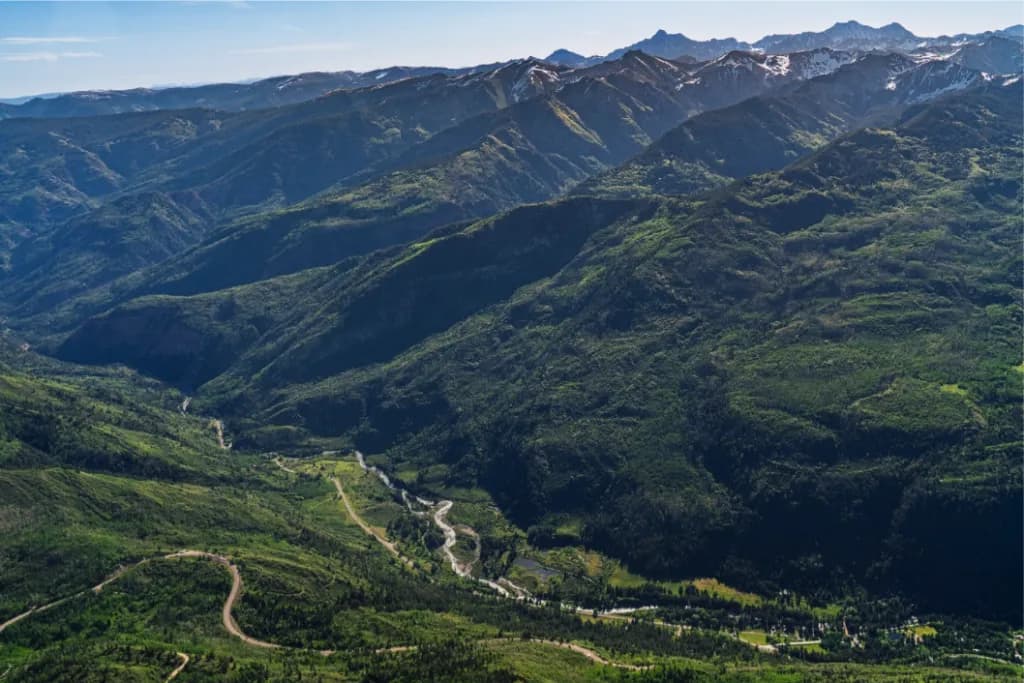
A new steering committee report evaluates if federal Wild and Scenic status can shield the Crystal River from dams, marking a shift toward concrete decision-making for Colorado’s last free-flowing waterway.
Aspen —Will a federal designation actually save the Crystal River?
The short answer: maybe. But the path is long, the politics are messy, and the clock is ticking on what remains of Colorado’s last free-flowing rivers.
A new report from the Crystal River Wild and Scenic and Other Alternatives Steering Committee evaluates whether a federal Wild and Scenic designation can protect the waterway from dams and out-of-basin water diversions. It’s a community-driven effort that has simmered for decades, but this report marks the first time stakeholders have moved from abstract passion to concrete decision-making.
Michael Gorman, committee member and campaign director for Wilderness Workshop, called the upper stretch of the Crystal one of Colorado’s “last remaining free-flowing rivers.”
“Upper Crystal remains free of jams and major diversions, so it’s still connected to its natural flood regime,” Gorman said. “That has all sorts of ecological benefits for a river system.”
Read that again. In western Colorado, nearly every river is dammed and completely controlled. The Crystal is the exception. That rarity is exactly why it’s worth watching, and exactly why it’s vulnerable.
The Wild and Scenic Rivers Act of 1968 preserves rivers with outstanding natural, cultural, and recreational values in a free-flowing condition. Nationally, over 13,400 miles of rivers carry the designation. In Colorado? One. Just one. Seventy-six miles of the Cache la Poudre River in the Roosevelt National Forest, designated in 1986.
The Crystal River has been listed as eligible for Wild and Scenic status since 1982 by the U.S. Forest Service. It’s one of five waterways in the White River National Forest that meet the standard, alongside Cross Creek in the Holy Cross Wilderness, the South Fork of the White River, Deep Creek, and a portion of the Colorado River in Glenwood Canyon.
In 2012, the community last attempted to grant the status to a 39-mile stretch of the Crystal south of Carbondale, from its headwaters to the Sweet-Jessup Ditch headgate just below Avalanche Creek. That effort stalled. For a few decades, the community has talked about Wild and Scenic status in the abstract — some in support, some opposed.
This report doesn’t take a side. It’s a decision support tool. The steering committee and stakeholders wanted to move beyond vague ideas and dive into shared values, concerns, and questions about what the designation would mean for the valley.
One value is clear: every member of the committee wants to preserve the river’s free-flowing state. None want a mainstem dam. None want out-of-basin diversions sapping the water that keeps the ecosystem alive.
That’s where it gets tricky. The report notes that while all stakeholders agree on preserving the free-flowing condition, they disagree on how to get there. Some favor federal designation as a permanent shield against development and water transfer. Others worry about the process, the cost, or the loss of local control over water rights.
The federal government isn’t going to step in on its own. Wild and Scenic designations require congressional action or executive order, both of which depend on political will. In a state where water is currency and every drop is fought over, asking Washington to lock down a river’s flow is a big ask.
Gorman pointed out that the designation would protect the river from new dams and diversions, but it wouldn’t undo existing infrastructure. The Sweet-Jessup Ditch is already there. Other diversions are already in place. The designation would prevent new ones, not erase old ones.
That’s a limitation worth noting. If you’re relying on federal protection to fix what’s already broken, the math doesn’t work. The designation is a shield against future threats, not a cure for past decisions.
The report also highlights the economic and recreational value of the Crystal. Anglers, paddlers, hikers, and residents depend on the river for their livelihoods and quality of life. A dam or a major diversion would change that landscape permanently.
But here’s what the report doesn’t say: how much it will cost to maintain the designation, or who pays for it. Federal protection often comes with federal oversight, which means compliance costs, monitoring requirements, and potential restrictions on land use along the river corridor. Those details are still being worked out by the steering committee.
The community last fought to protect the Crystal in 2012. That was over a decade ago. Since then, water demand has grown. Climate change has altered snowpack patterns. The river’s flow is less predictable than it was even ten years ago.
Gorman said the passion for protecting the river has been consistent, but the strategy has been vague. This report is an attempt to turn that passion into a plan.
Whether Congress or the executive branch will act on it is another question. The political landscape has shifted since 2012. Federal land management priorities have changed. The will to protect a river in a state that views water as an economic asset is not guaranteed.
The report ends with a list of next steps: public comment periods, stakeholder meetings, and a final recommendation to the federal government. The timeline is not set in stone. It depends on how quickly the community can align its diverse interests and present a unified front to Washington.
For now, the Crystal remains free-flowing in its upper stretch. That’s a fact worth holding onto. But “for now” is not a protection strategy. It’s a window of opportunity, and windows close.
The question isn’t whether the Crystal is worth protecting. It’s whether we’ll protect it before someone else decides what to do with the water.
Keep up with Aspen
The day's Western Slope news, one email each morning. Free.