Forest Service Revises Travel Rule to Expand ATV Access
The U.S. Forest Service proposed revising its 20-year-old travel management rule to allow more e-bikes and ATVs on national forests, sparking debate over local access.
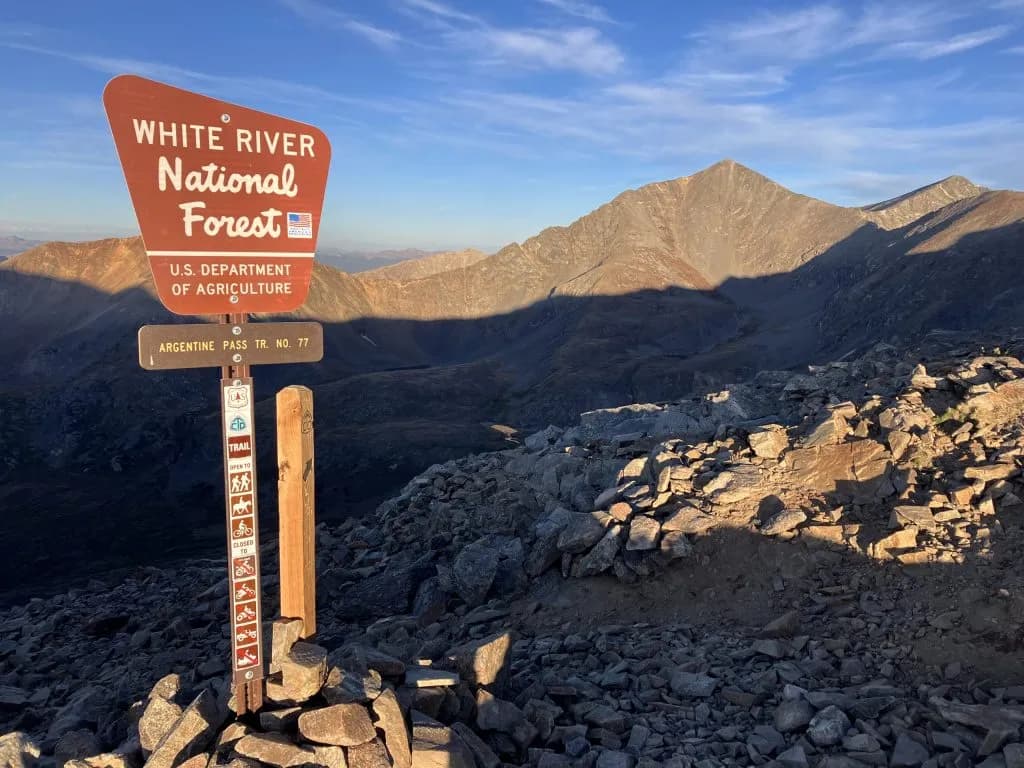
Aspen —The U.S. Forest Service plans to revise its two-decades-old travel management rule, a move that could open the door to more e-bikes and ATVs on national forest lands.
The Trump administration announced the proposal in an Aug. 21 news release. The current rule requires vehicles to remain on designated routes and outlines how national forests publish maps showing where vehicle travel is allowed. Forest Service Chief Tom Schultz stated that the action provides a legal foundation to streamline and modernize policy, aiming to increase access while conserving natural resources. The administration says the revisions will enhance quicker local decision-making and expand access for motorized vehicles, e-bikes, and other mobility devices.
Conservation groups see a different picture. Vera Smith, director of national forests and public lands at Defenders of Wildlife, described the changes as a "one-two punch" alongside the proposed repeal of the roadless rule. She noted that the Forest Service issued the original transportation management rule over 20 years ago to curb widespread damage from unmanaged off-highway vehicles and protect public safety. "Rescinding it now is irresponsible and reckless," Smith said.
The context matters here. Earlier this year, the administration revoked two executive orders that had governed off-road vehicle and over-snow vehicle use on public lands for decades. Smith pointed out that the proposed repeal of the roadless rule, which protects tens of millions of acres from new road construction, has met with widespread resistance. However, the roadless repeal isn't expected to impact Colorado directly because the state has its own roadless rule.
The Outdoor Alliance, a nonprofit coalition that includes the American Alpine Club, the Colorado Mountain Club, and the International Mountain Bicycling Association, wrote in a news release that it appreciates the administration sought to revise rather than revoke the rule. Yet, the group said "significant concerns" remain. The existing transportation management rule creates a "closed unless open" policy, meaning only designated roads are open to vehicular travel. The Outdoor Alliance argued that the revisions would change this default, potentially shifting the burden of proof to those who want to keep areas closed.
For folks around here, this isn't just a bureaucratic tweak in Washington. It’s about where you ride your bike on the weekend, whether you can drive your ATV past the trailhead without a permit, and how much noise and dust settle into the quiet parts of the valley. The Western Slope is crisscrossed with national forest land, and every mile of designated route carries weight. When you look closely at the proposed shift from "closed unless open" to a more permissive framework, you can feel the tension. It’s the difference between a well-maintained trail and a churned-up dirt road where tire tracks crisscross in every direction.
The administration frames this as modernization, a way to align policy with administrative priorities. But for the neighbors who rely on these lands for solitude, the question is whether "access" means more people or just different kinds of people. The rule change allows for quicker local decision-making, which means the Forest Service will have more discretion in opening up routes. That flexibility is a double-edged sword. It could mean faster responses to local needs, or it could mean pressure from commercial interests and motorized groups to open lands that were previously quiet.
There’s a warmth to the idea of easier access, certainly. But there’s also roughness in the details. The current rule was designed to prevent the exact kind of unmanaged damage that Smith warns about. If you’ve ever ridden a singletrack trail and found it widened by ATV tires, or if you’ve tried to find a quiet spot for a hike and heard an engine before you saw the rider, you know what unmanaged travel looks like. It’s not just a visual issue; it’s a sensory one. The smell of exhaust, the vibration in the ground under your feet, the sound cutting through the silence.
The proposed revisions don't specify exactly which lands will open up, but they set the stage for local managers to make those calls. That means the impact will vary by forest, by district, by specific trail system. For people in the valley, this means watching how their local Forest Service office interprets the new guidelines. It’s a shift from a national standard to a patchwork of local decisions, and that unpredictability is where the real conflict lies.
The rule has been in place for twenty years. It was a response to a specific problem: the damage caused by off-highway vehicles when they weren't confined to designated routes. Now, the administration wants to rewrite that response. Whether it works or fails will depend on how local managers apply it, and whether they listen to the people who live with this land every day. The dust from a passing ATV settles slowly, but it doesn't always wash away.
Keep up with Aspen
The day's Western Slope news, one email each morning. Free.