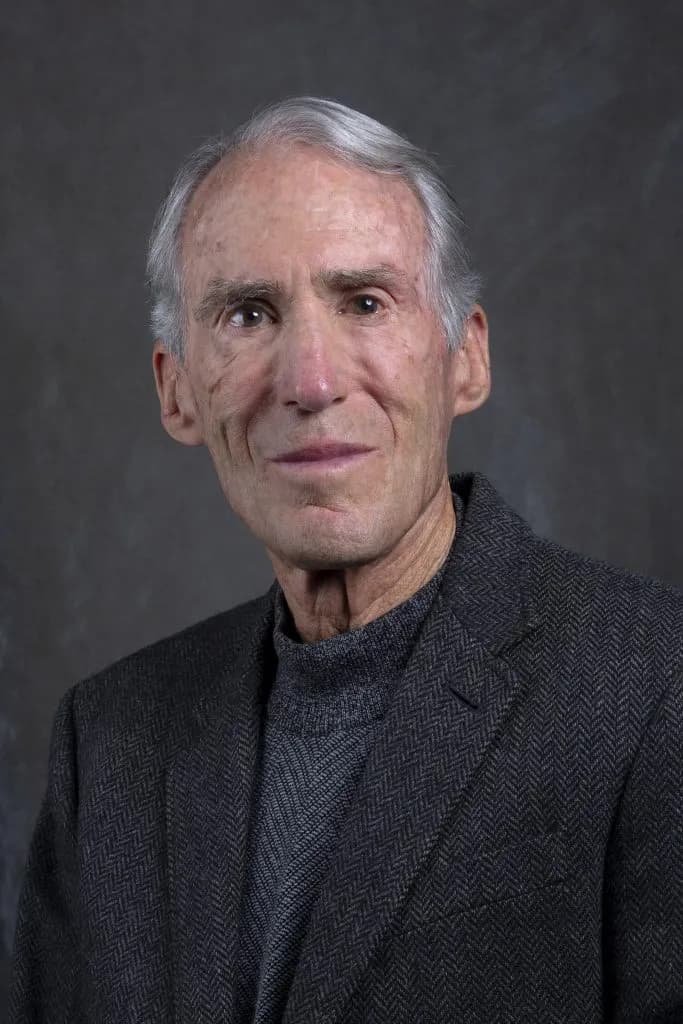
Gen. Jack Keane Warns of Global Conspiracy at Beaver Creek Forum
Gen. Jack Keane told the Steamboat Institute crowd in Beaver Creek that China, Russia, Iran, and North Korea have formed a united front to weaken the United States.
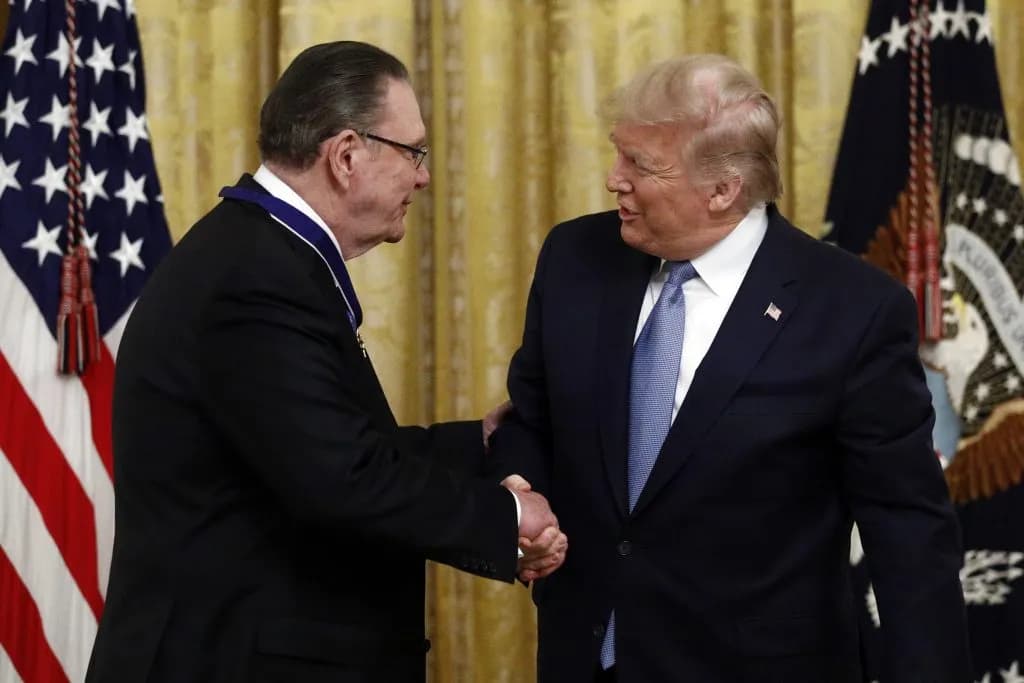
Aspen —The air in Beaver Creek hangs heavy with the crisp scent of pine and woodsmoke, a familiar comfort for anyone who has spent a winter in the Eagle Valley. Inside Gerald R. Ford Hall, the room hums with low conversation and the occasional clink of glassware, a backdrop for a man who rarely steps into the spotlight. Gen. Jack Keane stands at the front, speaking not about local zoning laws or ski lift maintenance, but about the geopolitical chessboard that stretches from Moscow to Tehran.
Keane is a military strategist who admits he is selective about where he speaks, yet the Steamboat Institute’s Aug. 28 event drew him back to a place he and his wife, political analyst Angela McGlowan, genuinely love. The Vail Daily reported that Keane was delighted to participate in the conservative think tank’s gathering, a venue that has hosted right-leaning leaders since the 1980s when Gerald Ford brought his annual forum to the mountain. The Steamboat Institute moved its conference here in 2020, securing a contract through 2027, and Keane told the crowd that the organization "truly stands for something."
He didn’t mince words about his political opponents. Keane described new voices as those who want the government to "run our lives, run our businesses, take our profits and redistribute wealth." He paused for effect, looking out at the audience. "And you know damn well we’re not going to let that happen," he said, pulling a round of applause from the room. "America needs the Steamboat Institute more than ever before."
When pressed on domestic politics, Keane deflected, preferring to leave that discussion to his wife. He wanted to talk about the military. Specifically, he argued that China, Russia, Iran, and North Korea have formed a conspiracy against the United States. He traced a timeline that began with these nations making a pact, followed months later by Putin’s invasion of Ukraine. He saw the subsequent actions as connected threads in a larger tapestry: a year later, Iran unleashed its proxies with the purpose of destroying Israel.
Keane’s analysis was stark. He claimed their goal is to kill so many Israelis that they no longer want to raise their children there, forcing a migration out of the country. He noted that with a population of 7 million, it is an "achievable goal." The solution, he argued, isn’t a retreat but a pivot in how the U.S. fights and manufactures its war machines.
He pointed to Ukraine as a key partner. "The Ukraine military is the strongest, most capable military in Europe today," Keane said. He highlighted their FP-1 drone as the most powerful long-range asset on the planet, noting that Ukraine plans to give the U.S. thousands of them to help with the war in Iran.
The conversation then shifted to the U.S. Defense Department under President Donald Trump. Keane described a pivot toward nondefense commercial industry, leveraging tremendous innovation and technology to help manufacture military hardware. This shift suggests a budget that needs to grow, not shrink, to keep pace with the industrial base required for modern warfare.
Outside Ford Hall, the mountain looms large and quiet against the twilight sky. The debate inside is loud, but the landscape remains indifferent to the budget lines being drawn on paper in Washington. For now, the pines just stand there, waiting for the next season to turn.
Keep up with Aspen
The day's Western Slope news, one email each morning. Free.