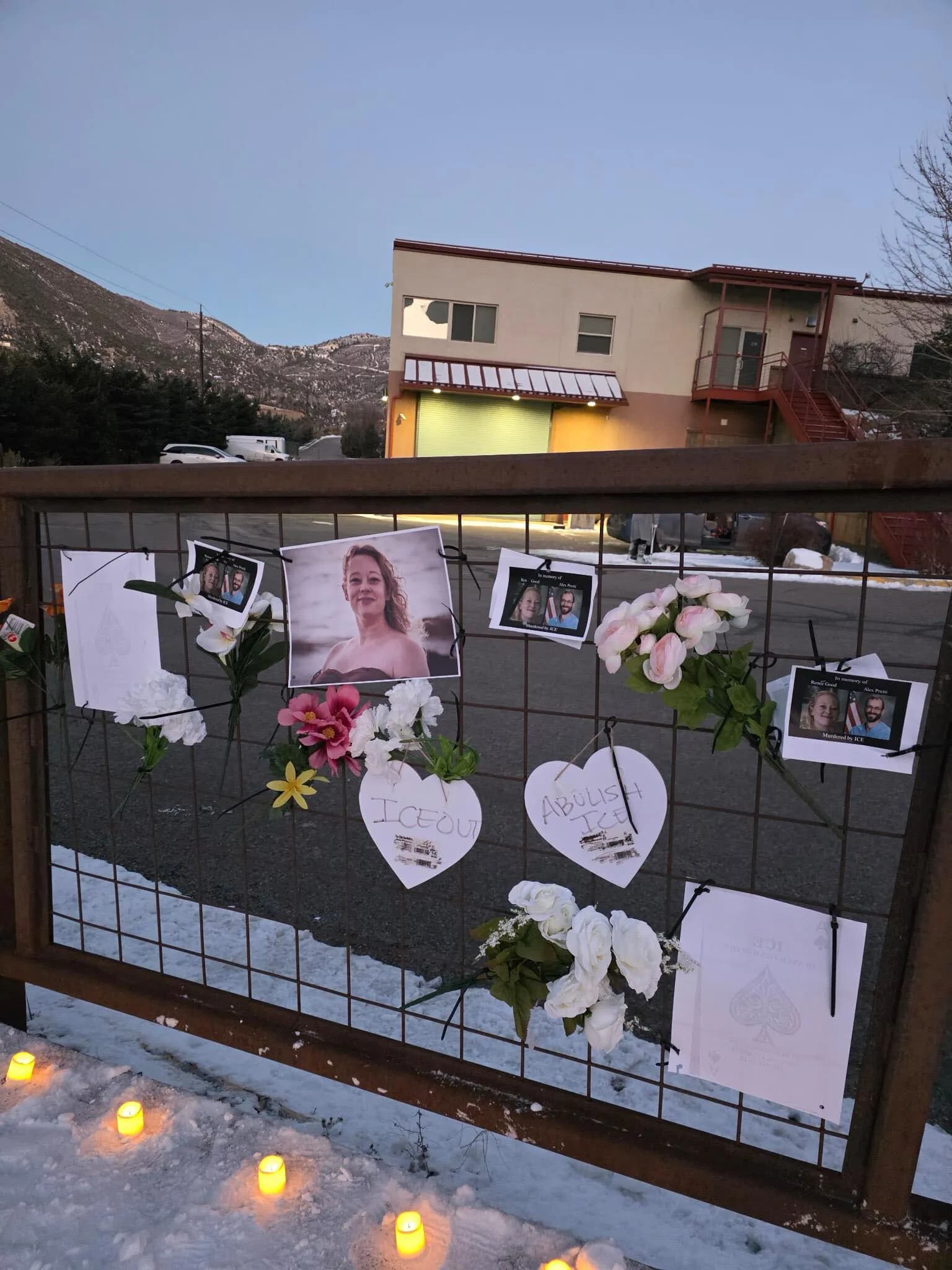
Glenwood Springs Council Votes to Sue ICE Landlord
Glenwood Springs City Council approved a 6-1 vote to sue private landlord JG Housing Solutions over its ICE detention facility, avoiding a costly federal supremacy challenge.
Glenwood Springs —“Please take action. This is the moment.”
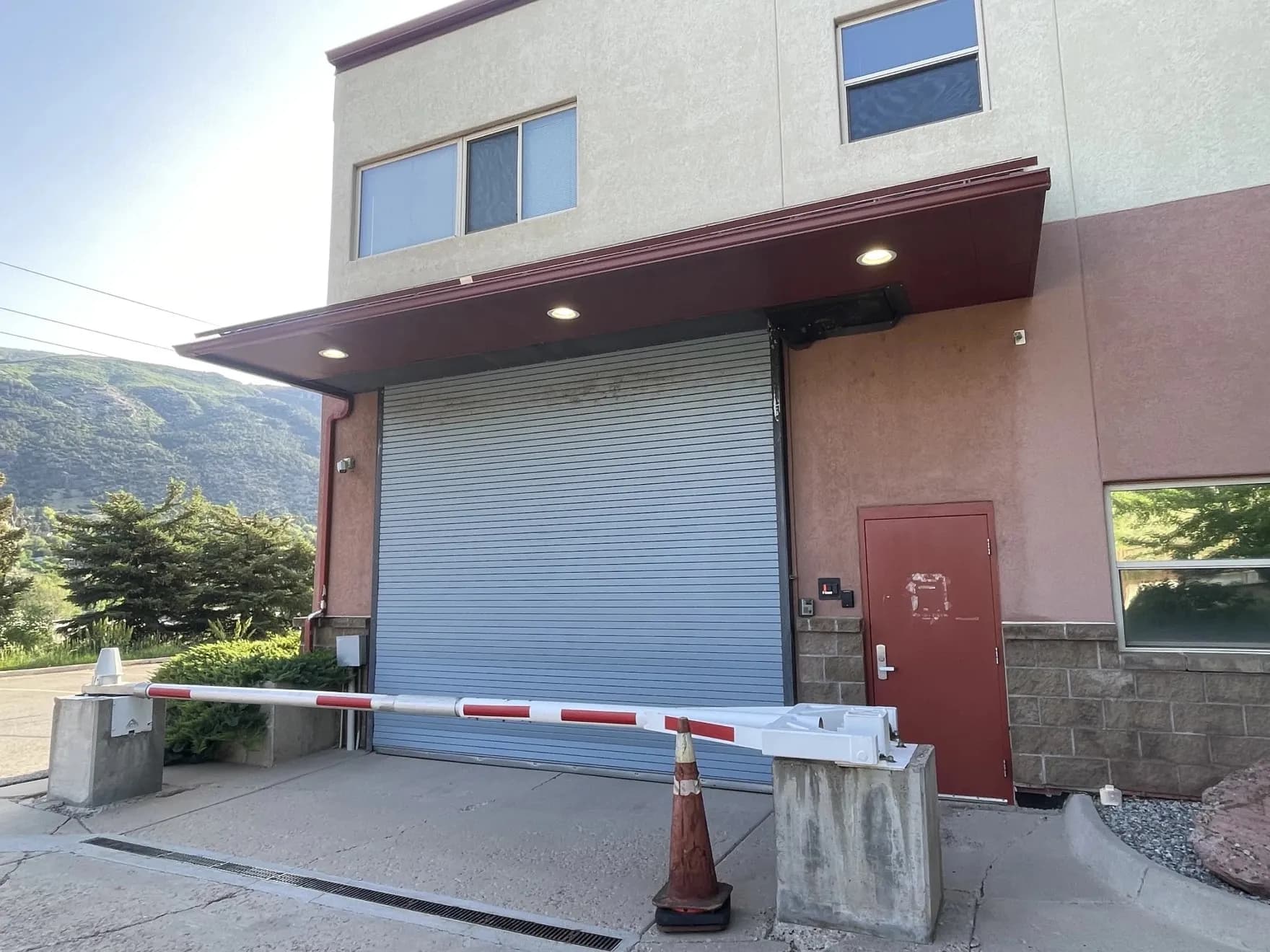
Ellen Freedman of Basalt didn’t mince words when she addressed the Glenwood Springs City Council. Her plea came as the city weighed its legal options against the U.S. Immigration and Customs Enforcement (ICE) detention facility that has occupied a Midland Center shopping center for more than two decades. The result was a 6-1 vote to sue the landlord, JG Housing Solutions LLC, rather than taking on the federal government directly.
Mayor Marco Dehm called himself “somewhat comfortable” with this narrower path. He had no interest in a head-on collision with Washington, especially given the looming threat of the supremacy clause. That constitutional provision allows federal law to override local zoning rules when the two conflict. If the city sued the federal government, it risked a quick dismissal. Suing the private landlord in state court offered a cheaper, more defensible avenue to enforce the city’s specific zoning codes.
The facility, operated by ICE as a field office and short-term detention center, has been a fixture since 2003. The trouble started in April, when the city determined the agency was holding people longer than the permitted 12 hours. The planning and zoning commission revoked the facility’s permit. ICE kept operating. The city kept watching.
Karl Hanlon, the city’s attorney, laid out the strategy. He had initially recommended suing both the landlord and the federal government. He warned that the feds would likely push to dismiss the case early by asserting their supremacy rights. Switching tactics to sue only the landlord was a calculated retreat. It’s less expensive. It’s less risky. It might buy time.
Jeff Gillespie operates JG Housing Solutions LLC, the entity that owns the property. The Colorado Sun attempted to reach Gillespie before the vote. He did not return a message.
Dehm warned that caution doesn’t guarantee safety. “If the buses show up with ICE agents, then we made the wrong decision,” he said. He suggested the federal government could still seek retribution through aggressive enforcement, regardless of who holds the lease.
Residents who have been pushing for action since the permit revocation saw targeting the landlord as the most effective lever. They urged council members to be brave. They wanted the city to uphold its own laws. The property’s private ownership status, experts note, gives local governments a better legal chance to apply zoning restrictions than if the land were federally owned. Whether local zoning can truly bind a federal agency in a mixed-use scenario remains an evolving legal question.
For context, the facility sits in a commercial zone. The city argues the detention use violates specific zoning ordinances regarding duration and type of occupancy. The federal government argues its presence is sovereign. The city is betting that a state court judge will side with local zoning over federal convenience.
The cost to taxpayers is the immediate variable. Legal fees for a state court battle are lower than a federal district fight, but they are not zero. The city is betting that forcing the property owner to either comply or vacate will be cheaper than defending a federal supremacy challenge for years.
Dehm’s 6-1 majority bought the city a specific legal path. It avoids the supremacy clause trap for now. It puts the pressure on Gillespie’s company. If the landlord doesn’t act, the city sues. If the feds want the building, they might have to pay the owner to break the lease or sue them directly.
The bottom line is simple: The city is shifting the burden. Instead of fighting the entire federal apparatus, it’s fighting the property owner. If the buses show up, the city claims it did its best to enforce the rules. If they don’t, the detention center stays or goes based on a private lease dispute. It’s a gamble. It’s a lot cheaper than a federal lawsuit. And it leaves the residents of Glenwood Springs waiting to see if state court can hold the feds to local code.
Keep up with Glenwood Springs
The day's Western Slope news, one email each morning. Free.




Glenwood Springs Resident Barbara Sue Barnes Dies at 88
Ute Ancestral Lands Define Western Slope Property Ownership