Gov. Jared Polis Bans Soda in State Meetings to Boost Health
Gov. Jared Polis signed an executive order banning soda and alcohol at state meetings, directing agencies to stock water and juice while expanding local produce promotion and diabetes prevention goals.
Colorado —The air inside the Capitol’s conference rooms is usually thick with the hum of projectors and the clatter of laptops, but on Thursday, the beverage cart changed. No more cans of high-fructose corn syrup-laden soda. Instead, state agencies were ordered to stock water, milk, and juice that’s at least half fruit or vegetable.
Gov. Jared Polis signed the executive order that afternoon, closing the loop on a health initiative that had stalled in the bureaucracy. He didn’t just want to ban soda at meetings; he wanted to use the state’s massive purchasing power to nudge Coloradans toward healthier choices, starting with the people who work for him.
"The question is whether we can lead by example," Polis said, framing the order not as a restriction, but as a standard for efficiency and health. "When we’re in a meeting, we need fuel. We don’t need sugar crashes."
The move was a direct response to a specific frustration: the state’s own human services board. In March, that nine-member board rejected Polis’s proposal to ban the use of food stamps (SNAP) for sugary drinks. Their reasoning was blunt. They argued it was unfair to restrict what "poor people" could buy when the rest of the state was free to choose their own beverages.
Polis isn’t buying that logic entirely. His new order sidesteps the SNAP debate for now, focusing instead on the state’s own wallet. It prohibits agencies from using state funds to buy soft drinks or alcohol for official functions — meetings, conferences, training events. The exclusions are specific: milk, milk alternatives, and juices that are at least 50% fruit or vegetable content are still on the table.
But the order does more than just clear out the soda cans. It’s a multi-department directive that touches everything from agriculture to corrections.
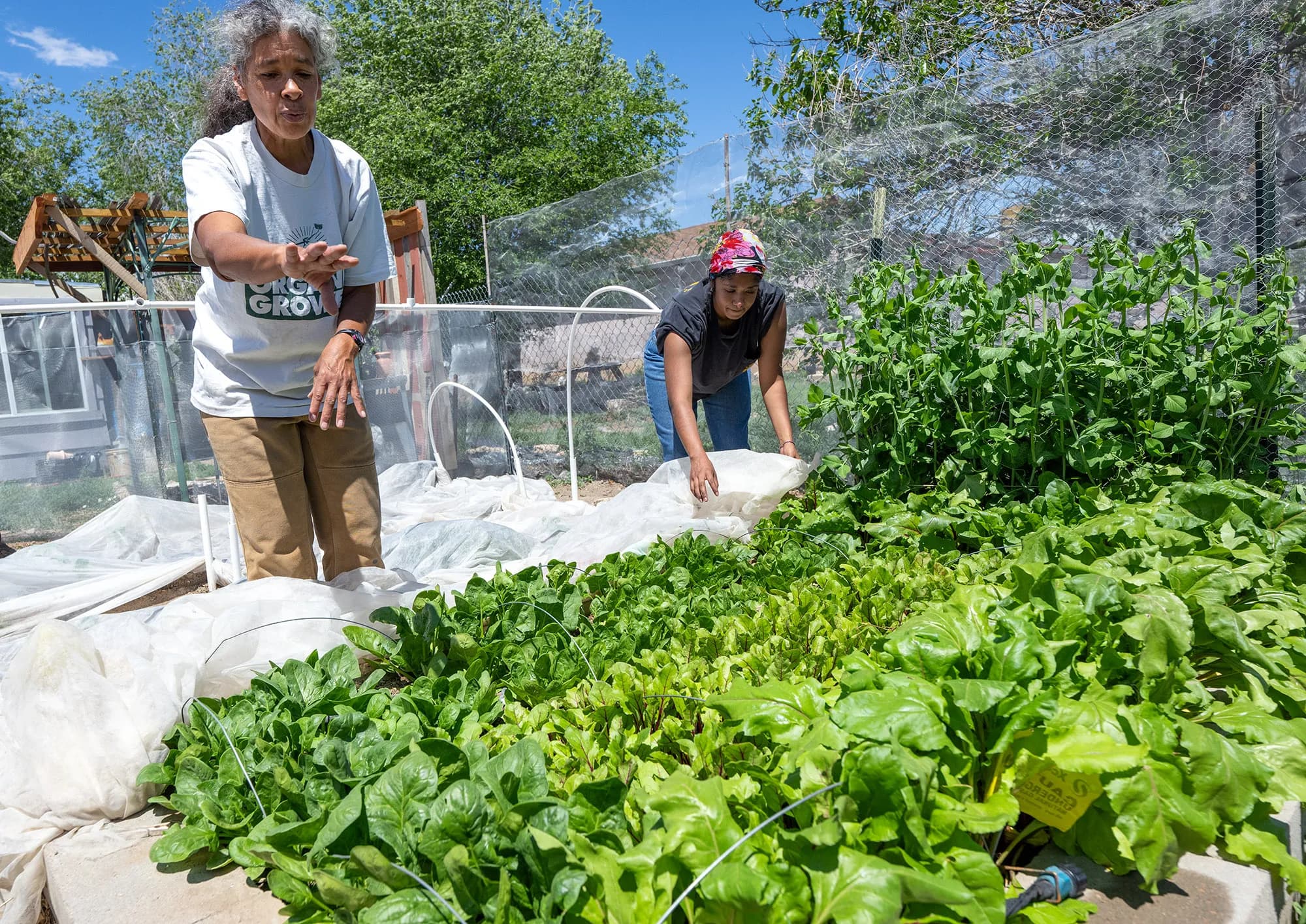
Take the Department of Agriculture. They’ve been ordered to expand the "Colorado Proud" school meal program by 10% statewide. That’s a significant jump for a program that already emphasizes state-grown food. For families in places like Pueblo, where farms like Quarter Acre and a Mule anchor the local market, this isn’t just policy — it’s a boost for local producers. The order explicitly mentions promoting produce that locals know well: Palisade peaches, Rocky Ford cantaloupe, Olathe sweet corn, and Pueblo chiles.
The Department of Revenue even has a task. They must create a new "Colorado Proud" lottery scratch ticket by this fall, featuring those same peaches and cantaloupes. It’s a weird, wonderful intersection of health policy and gambling revenue, designed to keep the state’s agricultural identity front and center.
Then there’s the Department of Natural Resources and Colorado Parks and Wildlife. They’re tasked with promoting hunting and fishing as "sustainable options for fresh, lean, organic, and healthy sources of protein." Starting in June, they’ll share fish and game recipes on social media and in Colorado Outdoors magazine. It’s an attempt to rebrand the hunt not just as sport, but as a healthy dietary choice.
The health department has a harder number to hit. They need to increase participation in its diabetes prevention program to 31,000 people by 2029, up from 26,362 in 2024. That’s a 17% increase in enrollment. Given that diabetes rates remain stubbornly high across the Western Slope and the rest of the state, that target feels less like a suggestion and more like a mandate.
The Department of Corrections was told to evaluate the daily nutrition of prisoners to ensure a "nourishing and well-balanced diet." It’s a small detail, but it signals that the health push isn’t just for the white-collar workers in the Capitol; it’s for the inmates, too.
The order also directs the Department of Human Services to keep trying for that "hot food waiver" from the federal government. This would allow SNAP recipients to buy rotisserie chickens and other hot foods in grocery stores, rather than just raw ingredients. It’s a practical change that could mean less time cooking for working families and more access to prepared protein.
As the state moves from banning soda at meetings to promoting peaches on lottery tickets, the underlying message is about control and choice. Polis is using the state’s weight to influence behavior, from the lunchroom to the grocery aisle.
"It’s about making the healthy choice the easier choice," Polis said. "Whether it’s in a conference room or a classroom, we’re setting the standard."
The real test won’t be in the Capitol. It’ll be in the schools where the "Colorado Proud" meals are served, and in the grocery aisles where the new scratch tickets might catch the eye of someone looking for a quick win. Whether that actually changes what Coloradans drink, or if it’s just another layer of government bureaucracy, remains to be seen. But for now, the soda is gone.
Keep up with Colorado
The day's Western Slope news, one email each morning. Free.




Federal Report Sets 200,000 Acre-Foot Water Conservation Target for Upper Basin

Colorado Parks and Wildlife Deploys Precision Drones for Weed Control