Greeley City Agrees to Buy Tokuyasu Land for Japanese Heritage Tower
Greeley agrees to purchase 35 acres of Tokuyasu family land at the river confluence for $300,000 to build a Japanese heritage tower honoring WWII-era empathy.
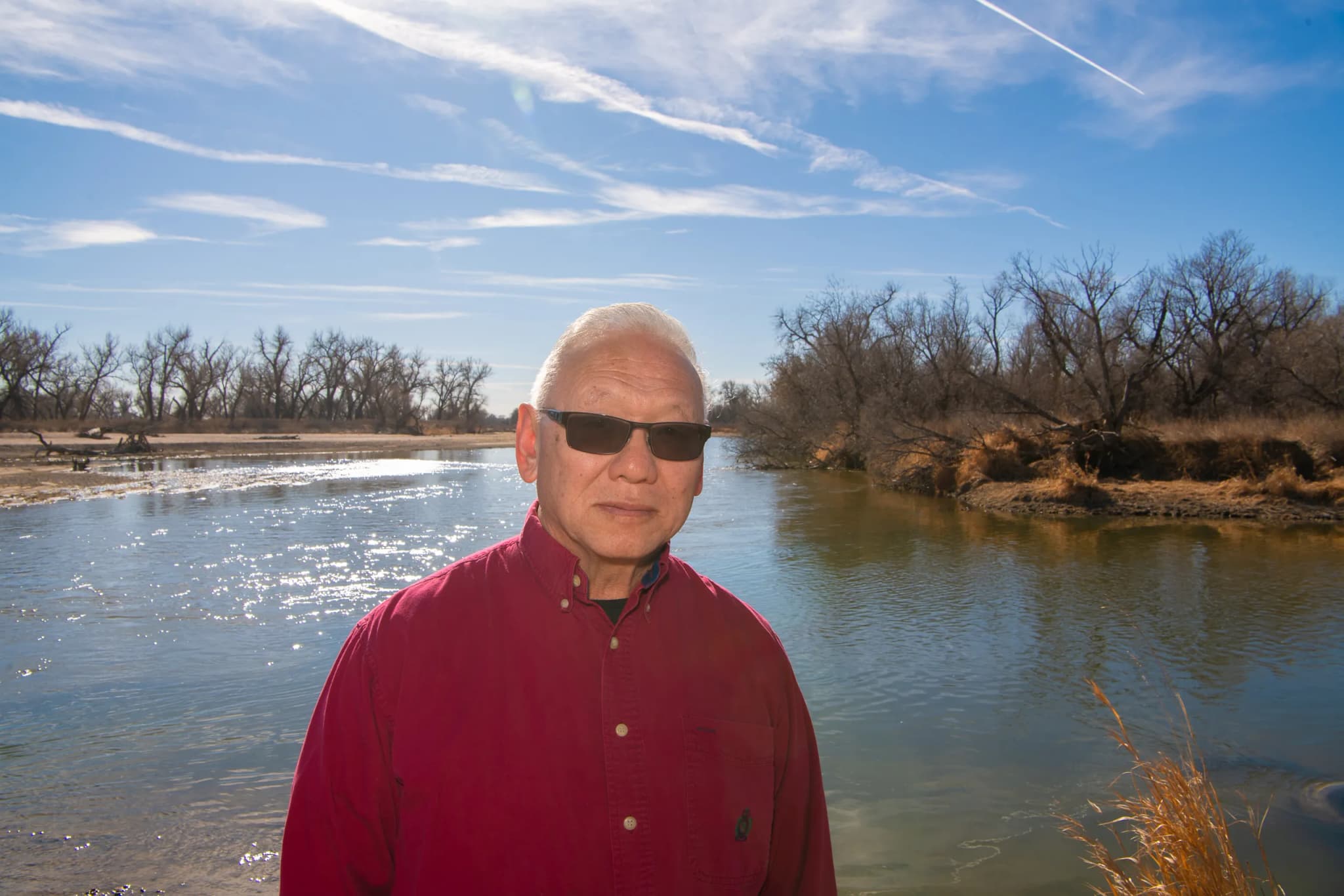
Colorado —Greeley — Bob Tokuyasu sits in the quiet of his Weld County property, a man known for one-word answers and a silence that has lasted decades. He doesn’t talk much about the land that spans the confluence of the South Platte and Cache la Poudre rivers, not until Robert Henry showed up with a different kind of pitch.
Henry wasn’t just a client who prepared grain for storage on Tokuyasu’s land; he was a friend who loved taking his lunch a few hundred yards from the shop, watching the free-flowing waters where the two rivers melt together. To Henry, that specific stretch of rural Greeley wasn’t just geography. It was a mirror. He saw the persistence of Tokuyasu’s family in the way the water moved, and he wanted the city to see it too.
“I tried to pitch it as a way that it could remember the Japanese heritage behind the land,” Henry said. “He bought into it.”
The catalyst wasn’t a real estate agent or a city planner. It was the Tower of Compassion in Longmont’s Kanemoto Park. Henry, who ran his own grain business and relied on Tokuyasu’s welding skills, had visited the tower with the idea that Greeley could replicate the gesture. The Longmont tower, gifted in 1973, was a tribute to the empathy the community showed the Kanemoto family during World War II, a period of extreme xenophobia that mirrored what Tokuyasu’s own grandparents endured.
Tokuyasu is quiet, but he wants that story told.
The history is etched into the land. Sojiro and Tome Tokuyasu had a farm in California before the attack on Pearl Harbor instantly changed everything. On Dec. 7, 1941, the American public turned on Japan with a fury that left little room for nuance. More than 97% favored war. A column in the 1942 Denver Post’s opinion section bluntly declared, “The only sane policy of handling the Jap alien,” before trailing off into the era’s brutal logic.
Goroku Kanemoto, the patriarch behind the Longmont tower, had come from Japan in 1910. He worked on the railroad and in potato and beet fields until he could lease his own farm. His sons, George and Jimmie, became businessmen and leaders in the local Buddhist church, commissioning the five-level tower where each level stands for an element of compassion: love, empathy, understanding, gratitude, and giving selflessly.
Henry didn’t know if Greeley could build a tower. He didn’t need to. He just needed Tokuyasu to agree to sell the 35-acre property to the city for its $300,000 appraised value.
It’s a transaction that sounds simple on paper but carries the weight of a family’s turbulent past. Tokuyasu, who had no initial interest in selling, agreed in principle. The land, which takes in the very point where the rivers converge, will now belong to the public. It will be a way to tell the story of his grandparents, a story that has been buried beneath years of quiet endurance.
Stand there long enough and you can feel the shift. The water doesn’t care about the xenophobia of 1942 or the silence of the present day. It just keeps moving, merging the South Platte with the Poudre, carrying the history of the Kanemotos and the Tokuyasus out toward the sea.
Keep up with Colorado
The day's Western Slope news, one email each morning. Free.
Craig Hosts Only Regional Special Olympics Bowling Competition
Parachute Bike Clinic Seeks Permanent Home After 66 Free Repairs

El Jebel Grief and Glenwood Road Redesign Spark Community Debate
Federal Report Sets 200,000 Acre-Foot Water Conservation Target for Upper Basin
Colorado Parks and Wildlife Deploys Precision Drones for Weed Control