Harriet Freiberger Calls Yampa Valley Residents to Honor Memorial Day Memory
Longtime Yampa Valley resident Harriet Freiberger writes a philosophical guest commentary urging locals to connect with national identity and honor veterans' sacrifice through memory rather than just celebration.
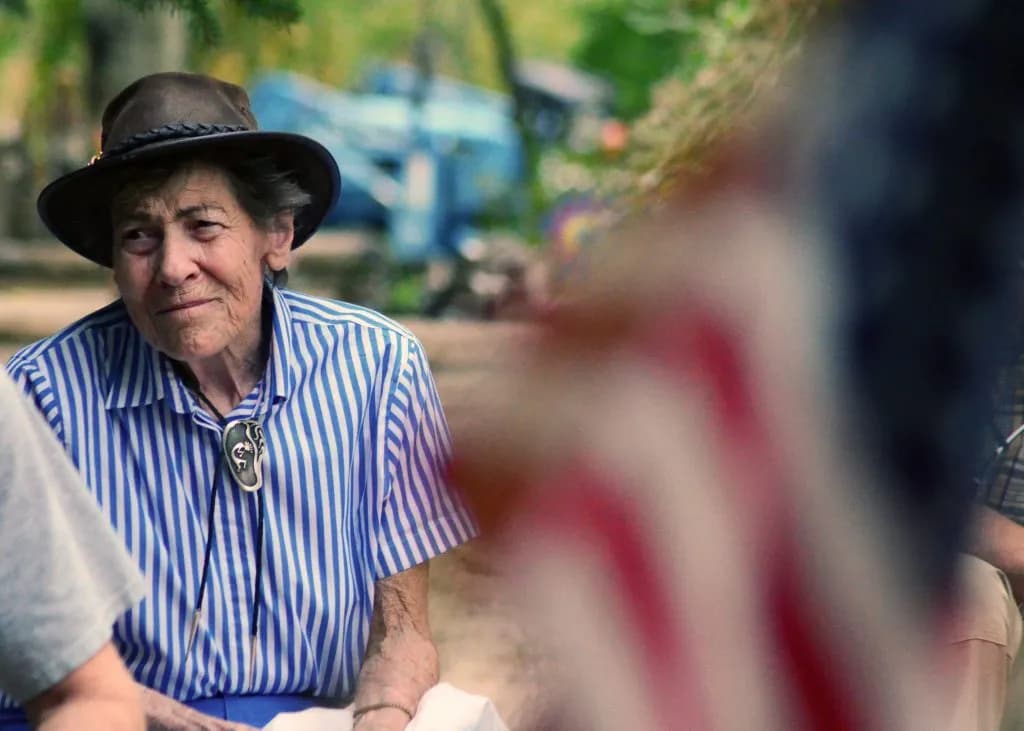
Steamboat Springs —"Before we raise the colors six weeks from now in celebration, we must somehow touch that memory and secure connection with that which is a truly united America."
Harriet Freiberger, a longtime Yampa Valley resident, didn’t mince words in her Memorial Day guest commentary. She didn’t talk about budget deficits or road repairs. She talked about the "ancient master’s use of power" and the "destruction of that discordant power." It was a philosophical deep dive into what it means to be American, delivered with the gravity of someone who remembers hearing "The Star-Spangled Banner" on the radio as a six-year-old.
Freiberger’s piece is less a report on local veterans and more a manifesto on national identity. She argues that our union of 50 states, housing roughly 350 million people, is just a small slice of Earth’s 8 billion. Yet, she insists, that slice has led the "forward movement toward a freedom that relies upon what will be basic to the future’s respect for the individual."
It’s a big idea. Bigger than Delta County. Bigger than the Western Slope. But Freiberger grounds it in the tangible reality of memory. She recalls standing in her grandfather’s living room, listening to the radio, feeling the weight of the anthem. That’s the connection she’s worried about losing. She wants locals to join voices across America, not just in this cemetery, but in their heads and hearts, remembering those who served.
"Words, like tears, speak to the essence of our humanness," she writes. "They will let us see past today’s shadows of confusion and into the future."
There’s a practical implication here, even if it’s buried in the prose. Freiberger is calling for a transfer of responsibility. "I feel the responsibility of passing the gift of memory from one generation to the next." She’s not asking for a new monument. She’s asking for attention. She wants us to understand the "danger that imperils our children and grandchildren" so we can pass on the knowledge to sustain their future.
The commentary touches on the shift in warfare, too. We’ve moved from two World Wars to "smaller, but significant, confrontations." Now, it requires "even more advanced intelligence and alertness." The threat isn’t just foreign armies; it’s the underlying danger to earth’s entire population. It’s a reminder that the soldiers who gave us the future we enjoy today are still out there, holding the line against "true evil."
Freiberger ends on a note of gratitude to the veterans. "Because of you, we who live today can feel..." The sentence trails off, but the meaning is clear. We feel the freedom she describes because they paid the price. It’s a simple transaction, really. Service for security. Memory for continuity.
For context, Memorial Day is usually a weekend for barbecues and the unofficial start of summer. This year, Freiberger wants us to pause. She wants us to touch that memory. She wants us to say the words clearly, six weeks before the flag goes up, right here in the cemetery.
It’s not about politics. It’s not about policy. It’s about the "invisible connection to the idea that will let us take the next step toward that something even bigger."
The bottom line? We get to live here, in this valley, because others stood against the threat. Freiberger is reminding us that the cost of that freedom isn’t just measured in dollars or square footage. It’s measured in tears, words, and the willingness to pass the memory down. If we forget, the connection breaks. And then we’re just people on a hill, waiting for the next threat to arrive.
Keep up with Steamboat Springs
The day's Western Slope news, one email each morning. Free.