I-70 Pileup and Early Snowpack Melt Threaten Colorado Mountains
A 70-vehicle pileup on I-70 highlights dangerous driving conditions as a second storm brings freeze and heavy snow to the north and central mountains, compounding concerns over early snowpack melt.
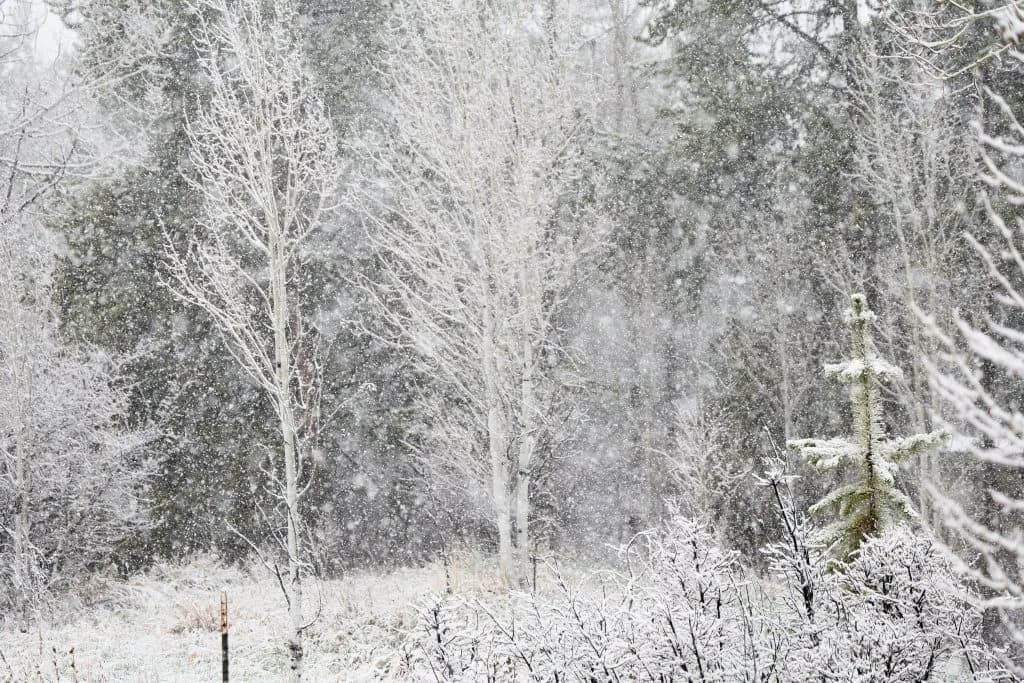
Aspen —The eastbound lanes of Interstate 70 near the Eisenhower Tunnel were a parking lot of twisted metal and flashing lights Tuesday afternoon. Forty vehicles sat there, towed away one by one, while emergency crews worked through the slick, slushy conditions that had turned a routine commute into a 70-vehicle pileup. It wasn’t just bad luck. It was a perfect storm of moisture, wind, and drivers who underestimated how fast the white stuff could accumulate.
Now, forecasters are looking at the calendar and seeing another chance for the same thing to happen.
A second storm is rolling in Thursday night through Friday night, and it’s bringing colder air with it. The National Weather Service has issued a freeze watch from late Tuesday night through Wednesday morning, warning of sub-freezing temperatures for towns like Craig, Rifle, Glenwood Springs, and Eagle. But the real story isn’t just the cold — it’s the potential for that same "overdelivery" we saw Tuesday.
OpenSnow Founding Meteorologist Joel Gratz explained the mechanics behind Tuesday’s chaos. “This storm had a lot of moisture, which can translate into intense 1-3 inch-per-hour snowfall rates anywhere the storm’s energy happens to track,” Gratz wrote in a report. “This is what happened in the northern mountains — most of the 6-12 inches of snow fell in just a few hours (or less!) during intense bursts.”
Picture this: you’re driving up I-70, the wipers are slapping back and forth, and suddenly the road isn’t just wet, it’s glazed. Gusty winds reduced visibility, and heavy snow piled up faster than plows could clear it. The result was a gridlock that blocked the eastbound lanes from about 3 to 8 p.m. for medical staging.
The next storm, arriving Thursday night, looks different on paper but feels similar in practice. It’s expected to bring 3-8 inches to the north and central mountains. The most intense snow will likely fall around Friday morning and midday, followed by more showery precipitation later in the afternoon. Temperatures will drop significantly. Highs in northern mountain towns like Vail, Breckenridge, Winter Park, and Steamboat Springs will sit in the 30s. Central mountain towns like Aspen and Glenwood Springs might see highs in the 40s. But on the peaks? Temperatures will plunge from the low 20s into the low teens.
And here’s the kicker: even though this storm has less moisture than Tuesday’s, strong “storm energy” could create multiple hours of intense snow and efficient snowflake formation. That means the forecast could easily be exceeded again.
Colorado State Patrol is already cautioning drivers to slow down and avoid following too closely. They know the drill. They know how quickly a few inches of snow can turn a two-lane highway into a multi-car collision zone.
But there’s a bigger worry looming over the whole region. Colorado’s statewide snowpack has been decreasing since mid-March, with the exception of a series of storms in early April. Historically, the snowpack peaks during the first half of April. As of April 13, however, the snowpack barely measures 17% of the median peak. Meteorologists are concerned that the snowpack peaked roughly one month early and is now seeing early meltoff.
So, while you’re worrying about whether your tires have enough tread depth for Friday’s commute, the mountains are losing their winter blanket faster than usual.
The weekend will bring a return to dry conditions. More snow could be possible around April 23-30, according to OpenSnow. But for now, the focus is on Thursday night’s freeze and Friday’s snow.
If you’re planning a drive through Glenwood Springs or up to Steamboat, check the wind gusts. The hazardous weather outlook posted Monday warned of winds up to 50 miles per hour. That kind of wind, combined with sub-freezing temperatures, can make the difference between a manageable commute and a day spent waiting for a tow truck.
The snow is coming. The question is whether it’ll stick, or if the early melt will swallow it up before it even hits the ground.
Keep up with Aspen
The day's Western Slope news, one email each morning. Free.

S&P 500 Slips Modestly as Weak Retail Sales and Oil Prices Drive Market Correction

Aspen Essay Connects Generations Through Highway 82 Landmarks