Keating Poll Reveals 86 Percent of Unaffiliated Voters Chose Independence
A new Keating Research poll for Let Colorado Vote shows 86% of unaffiliated voters deliberately chose independence, challenging the assumption that automatic registration drives the trend.
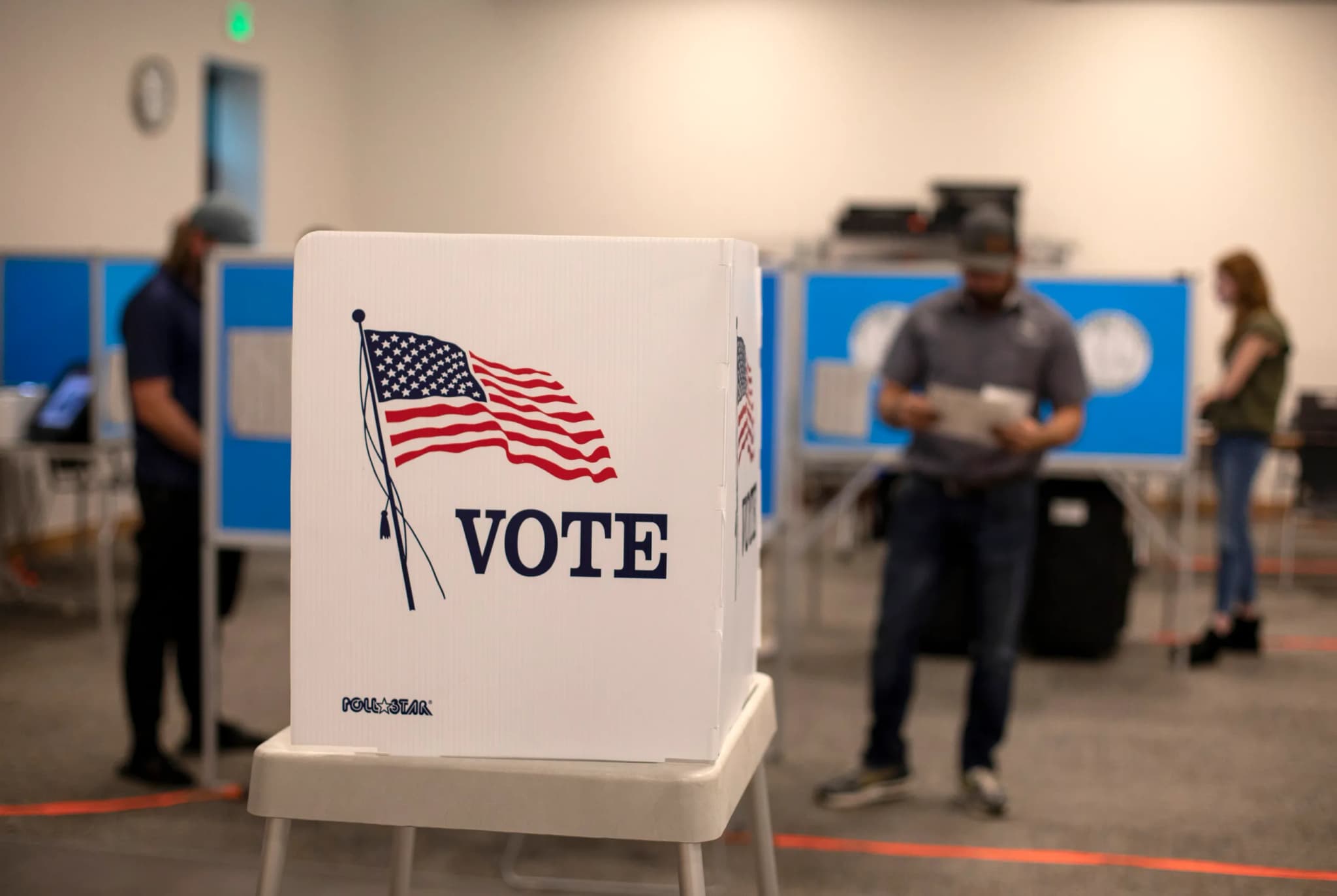
Colorado —The wind off the Grand Junction canal cuts through flannel, carrying the dry, dusty scent of late autumn, but inside the polling place in Breckenridge, the air is still and warm. Voters shuffle forward, clipping cards, their breath visible in the chill of the November morning. It’s a quiet ritual, one that has become increasingly complex as the state’s political landscape shifts beneath our feet. For years, we’ve assumed that the growing number of unaffiliated voters rolling into the polls was just a bureaucratic accident — a side effect of the 2019 automatic voter registration law that tags us as unaffiliated the moment we visit the DMV. But that assumption is crumbling, replaced by a stark realization: Coloradans aren’t just drifting into independence; they are choosing it, deliberately and with purpose.
A new poll from Keating Research, conducted for the nonprofit Let Colorado Vote, reveals that 86% of unaffiliated voters say they intentionally registered that way. Only 5% say they ended up there automatically. This distinction matters because it changes how we understand the electorate. It’s not that the system is forcing people into a political no-man’s-land; it’s that people are actively rejecting the boxes we’ve been given. As of December 1, unaffiliated voters make up half of all active, registered voters statewide, and they hold the largest share of the electorate in each of the state’s eight congressional districts. They are the majority, and they are speaking with a clarity that cuts through the noise of partisan rhetoric.
Spencer Keating, the Democratic pollster behind the survey of 1,210 active voters, notes that this intentionality spans generations. “That’s true both of younger independents and older independents,” Keating says. “They believe they’re deliberately registering this way, not just passively ending up as independents.” It’s a subtle but significant shift. We used to think of the unaffiliated as the disengaged, the people who didn’t care enough to pick a side. Now, it looks more like a strategic withdrawal, a refusal to be bound by the rigid structures of the two-party system.
This data comes from Let Colorado Vote, the nonprofit founded by Kent Thiry, the former CEO of DaVita. Thiry is no stranger to the ballot box; he spent millions last year on Proposition 131, a failed effort to overhaul Colorado’s election system with ranked-choice voting and a top-four primary. His organization’s original mission was to eliminate the caucus system and bring unaffiliated voters into the fold, and this new poll suggests they’ve succeeded in making that group visible, if not yet fully empowered. Thiry, who prefers measures with “systemic impact,” sees this shift as proof that democracy is not a spectator sport. He’s bankrolled changes that eliminated the caucus, brought unaffiliated voters into primaries, and created a new system to eliminate gerrymandering. Now, he’s looking at the people themselves.
There’s a warmth to this kind of civic engagement, but there’s also a rough edge. If 86% of unaffiliated voters chose this path, then the political establishment has been misreading the room for years. We’ve treated them as a residual category, a statistical error to be corrected by automatic registration. But they’re not an error. They’re a statement. And it’s a statement that’s getting louder with every election cycle.
Outside, the sun dips below the Elk Mountains, casting long shadows across the snow-dusted streets of the valley. The cold bites at exposed skin, a reminder that the weather doesn’t care about party affiliation, and neither, it seems, are we.
Keep up with Colorado
The day's Western Slope news, one email each morning. Free.
Federal Report Sets 200,000 Acre-Foot Water Conservation Target for Upper Basin
Colorado Parks and Wildlife Deploys Precision Drones for Weed Control