Late Spring Storm Shuts Denver Schools and Delays DIA Flights
A late-spring storm blankets the Front Range with heavy snow, causing school closures in Denver, delaying flights at DIA, and leaving thousands without power as temperatures drop unexpectedly.
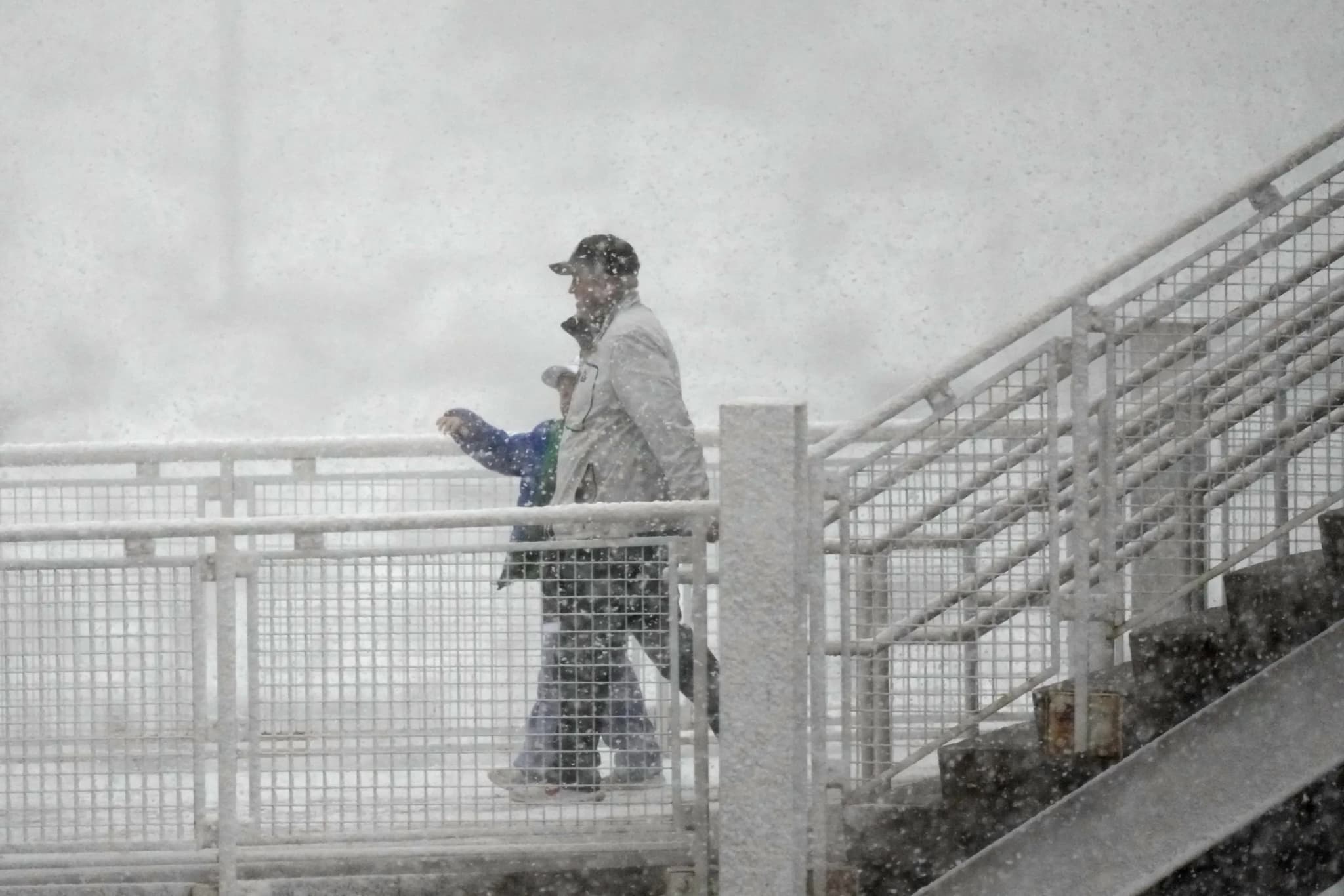
Colorado —Have you ever watched the calendar flip to May and felt that specific, disorienting anxiety that comes when the snowplows are still parked in the lot? It’s a strange season here on the Western Slope and the Front Range alike, where we trade our wool sweaters for t-shirts only to have the sky turn gray and dump a foot of wet, heavy snow on the daffodils. This week, that anxiety wasn’t just a feeling; it was a reality that shut down schools, delayed flights, and left thousands of locals navigating slushy roads under the weight of a late-spring storm that swept over the Rocky Mountains and into the High Plains on Tuesday.
The storm didn’t just pass through; it settled in, leaving behind a landscape that felt more like January than May. In Jamestown, just a short drive from the bustle of Boulder, the snow piled up to 16.3 inches by early Wednesday, a depth that would make any winter resident nod in recognition, even if they were wearing shorts underneath their coats. Further east, Estes Park reported 17 inches, a significant accumulation for a town that prides itself on accessibility yet found itself blanketed in white. The National Weather Service had issued a winter storm warning through the afternoon, promising 2 to 4 inches for Fort Collins, Boulder, and the Denver metro area, but those numbers feel small when you’re standing in the drifts.
For the folks in Denver, the disruption was immediate and visceral. The city, which had been hovering in the low 30s, activated its cold weather shelter plan, a bureaucratic response to a natural event that hit hard. The Denver International Airport, usually a hub of relentless motion, experienced delays and cancellations early Wednesday, with 3.7 inches of snow recorded by 2 a.m. It’s a stark reminder of how fragile our infrastructure is when the temperature drops and the precipitation turns to ice. Xcel Energy scrambled to restore power to as many as 30,000 customers, their crews working through the morning to clear lines weighed down by the heavy, wet snow.
But it wasn’t just the infrastructure that buckled; it was the rhythm of daily life. Denver Public Schools, along with other major districts and colleges, canceled classes, sending students and parents back into a state of waiting. The ominous forecast, however, did not deter the die-hard music fans who flocked to Red Rocks Amphitheatre on Tuesday night for a David Guetta show. Organizers moved the start time up by an hour, a small tactical adjustment that couldn’t quite offset the chill, but it showed a certain stubborn Colorado defiance in the face of the elements.
As the storm weakened and was expected to wrap up by Wednesday afternoon, the real work began. In Boulder, city officials advised residents to watch for downed trees and branches, a practical warning that underscored the danger of the heavy, wet snow clinging to limbs. Near Ogden and First streets in Denver, a mature tree shed its branches overnight, a quiet testament to the weight the storm had placed on the city’s greenery. The weather service noted that while roads would be slick during heavier showers, lower elevation accumulations would melt quickly as the sun returned. And indeed, warmer temperatures were expected by Thursday, bringing with them the inevitable slush and the muddy cleanup that follows every Colorado snowstorm.
You can feel the tension in the air, that mix of relief and annoyance that comes when the storm finally breaks. The snow is melting, the power is coming back on, and the schools are open again, but for a few days, the Western Slope and the Front Range were united by the same white blanket, the same slick roads, and the same shared experience of watching the seasons argue with each other.
Keep up with Colorado
The day's Western Slope news, one email each morning. Free.
Federal Report Sets 200,000 Acre-Foot Water Conservation Target for Upper Basin

Colorado Parks and Wildlife Deploys Precision Drones for Weed Control