Lawmakers Slash $130 Million from Colorado Affordable Housing Fund
Colorado lawmakers propose redirecting $130 million from the Proposition 123 affordable housing fund to plug a $1.5 billion state budget shortfall, threatening development in mountain resort towns.
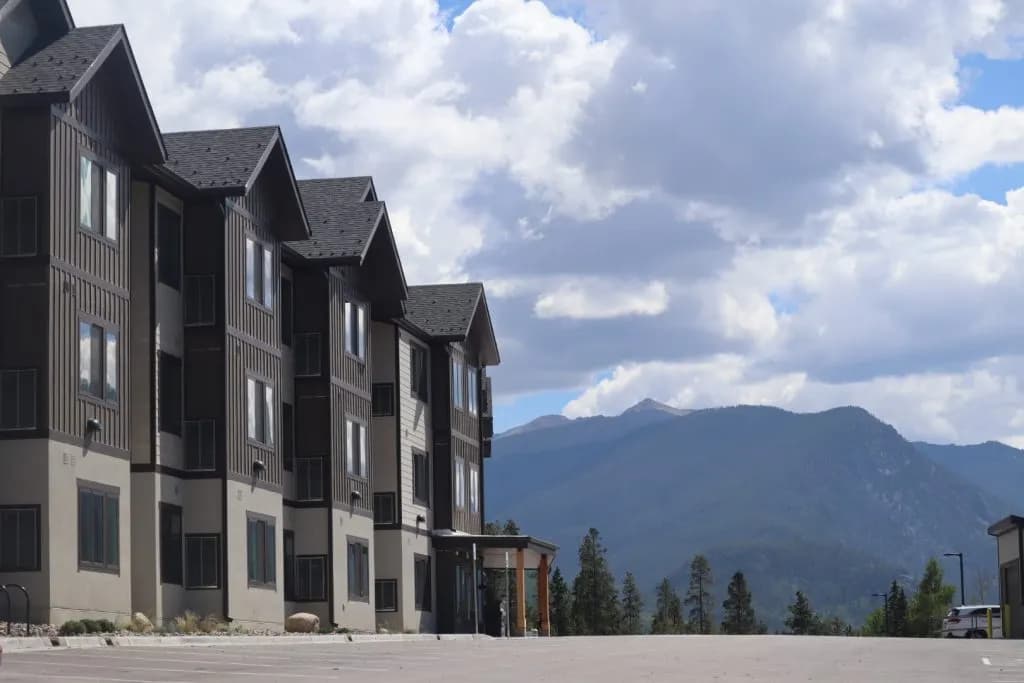
Aspen —The wind off the Uncompahgre Plateau carries a specific kind of chill, the kind that settles into your bones and reminds you why you bought the house in the first place: the view, the quiet, the sense that you’ve stepped out of the rush of the world. But for the folks trying to build a life in those mountain towns, the cold isn’t just atmospheric; it’s fiscal. The air is thin, and so is the money.
For years, developers in our High Country have played a game of musical chairs with rising land costs, shorter building seasons, and a labor pool that shrinks every winter. Then came Proposition 123, passed by voters in 2022, which poured hundreds of millions of dollars into the affordable housing pipeline. It felt like a turning point, a moment where the state finally acknowledged that teachers, nurses, and service workers couldn’t live in the same towns they served if they were commuting two hours from Grand Junction or paying $4,000 a month for a studio in Vail.
Now, that pipeline is being siphoned dry.
Lawmakers are closing in on the 2026-27 fiscal year budget, and to plug a roughly $1.5 billion shortfall — driven by increased spending, rising program costs, and the rigid revenue limits of the Taxpayer’s Bill of Rights — they are looking at some painful cuts. Alongside reducing department spending and dipping into the state’s rainy day fund, budget writers are proposing to pull $130 million from the Proposition 123 fund. This isn’t a minor adjustment; it’s a redirection of resources meant for housing into the state’s general fund, packaged as one of the “orbital” bills that run alongside the main budget.
The move follows a recommendation from Governor Jared Polis, who already pushed to redirect around $100 million of that same fund to close a gap for the current fiscal year, which ends on June 30. But the Joint Budget Committee, the group that crafts our annual spending plan, decided to tack on an additional $20 million. They argue this extra chunk will help shore up the general fund for the coming year.
Kimball Crangle, Colorado Market President for Gorman & Co., an affordable housing developer that operates in rural resort towns, called the potential loss “gut-wrenching.” She noted that Proposition 123 was an “exciting new tool” for the affordable housing field throughout the state. To see it jeopardized now, when market-rate home prices in the mountains easily climb into the multimillions, feels like a betrayal of the voters who approved the measure in the first place.
Rep. Kyle Brown, D-Louisville, one of the six lawmakers on the budget committee, defended the decision. He said cutting Proposition 123, which generates around $300 million annually, wasn’t a choice budget writers wanted to make, but it was necessary. He pointed out that the measure’s ballot language allowed the Legislature to redirect funds during downturns. “The unfortunate thing about Prop. 123,” Brown said, “is that it included no new revenue to the state, and because of that, it built in a specific mechanism for us to make transfers of this nature when the situation of [budgetary pressure arises].”
It’s a technical defense, rooted in the mechanics of the ballot language, but for locals, it feels like a loss of momentum. We’ve seen more projects take off in recent years, thanks in part to that steady stream of funding. Now, the ground shifts again. The question isn’t just whether the budget passes, but what gets left behind when the money is gone.
If you look closely at the map of our valley, you can see the places where these homes would go, the empty lots on the edge of town, the underutilized commercial spaces waiting for conversion. Without that $130 million, those lots stay empty. The construction cranes stop turning. The short building season becomes even shorter, not because of the weather, but because the capital to start the project never arrives.
The budget debate has revolved around sweeping cuts, but this one hits different. It’s not just a line item in a spreadsheet; it’s the difference between a nurse being able to sleep ten minutes from her shift or driving an hour and a half back to the valley. It’s the difference between a teacher buying her first home and watching her rent go up again.
As the Joint Budget Committee finalizes the plan, the $1.5 billion shortfall looms large. The state is choosing to balance its books by taking from the very fund designed to keep the community intact. It’s a gamble that the general fund can absorb the hit without breaking the housing market further. But for now, the money is on the chopping block, and the developers are holding their breath.
Outside the Capitol in Denver, the sun is setting over the plains, but up here, the light hits the snow differently. It’s brighter, sharper. It reflects off the glass of the new condos going up, the ones built for the second-home owners, while the funding for the first-time buyers gets pulled away, piece by piece, to pay the bills.
Keep up with Aspen
The day's Western Slope news, one email each morning. Free.



S&P 500 Slips Modestly as Weak Retail Sales and Oil Prices Drive Market Correction

Aspen Essay Connects Generations Through Highway 82 Landmarks