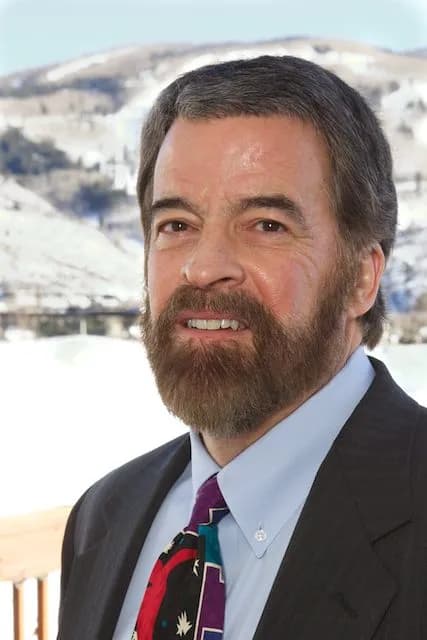
Lorenzo Semple Reflects on Aspen High’s Specific Educators
Lorenzo Semple’s latest column highlights the specific educators who shaped his Aspen High School experience, arguing that this personalized attention justifies the district's premium property tax costs.

Aspen —A group of seniors. That’s the entire cast of this particular drama.
Lorenzo Semple’s latest column, “Lo-Fidelity: Teach your children — an ode to our AHS seniors,” isn’t really about the students. It’s about the teachers who shaped him, and by extension, the institution that employed them. Aspen High School. The place where you go to learn Latin, get suspended for smoking pot, and eventually graduate.
It’s a nostalgic trip down memory lane, sure. But let’s look at the actual data point that matters here: the sheer number of specific educators named in a single personal essay. We’re talking about Mrs. Brower in Los Angeles, Carol Hall, Paula Bickelhaupt, Mr. Vanion, Coach Cluck, Mr. Miggs Hubbard, Patricia Ryan, and Lev Byrd. That’s nine distinct individuals in a narrative that spans from kindergarten through high school.
On paper, that’s a robust educational foundation. In practice, it’s a reminder of how much of our local identity is tied to specific personalities rather than systemic metrics. Semple didn’t just attend school; he was curated. Mrs. Brower gave him a lion bookmark because he was a Leo. Paula Bickelhaupt fixed his stutter, though Semple argues it backfired because now he “literally can’t shut you up.” That’s not just a joke; that’s a critique of the very communication skills schools are supposed to instill.
The column highlights a specific kind of Aspen education. It’s not just about reading and writing. It’s about “Clapper’s Killers” and “Vanion’s Vandals” duking it out in the Red Brick gymnasium. It’s about Coach Cluck’s wooden paddle — a shrewd “scared straight” gag where he’d make you scream while slamming the paddle on his desk. It’s about Lev Byrd teaching Latin roots so you can wiggle out of vocabulary traps on a near-daily basis.
This is the Aspen High School experience, as remembered by one of its own. It’s personal. It’s anecdotal. It’s also, perhaps, a bit romanticized.
But here’s the thing the column doesn’t explicitly state: this level of individual attention is becoming a luxury good. When you look at the funding per pupil in Pitkin County versus other districts, the difference is stark. You’re paying a premium for the “Mrs. Browers” and the “Paula Bickelhaupts” of the world. You’re paying for the Latin. You’re paying for the suspension for smoking pot, which, let’s be honest, is practically a rite of passage in a town where cannabis is as common as snow.
The column mentions a “group of seniors” on the first day of freshman year. It cuts off there. It’s a fragment. A cliffhanger. But the implication is clear: the seniors are the gatekeepers. They are the ones who handed down the wisdom, the warnings, and the weed.
For the folks around here, this isn’t just a nostalgia trip. It’s a validation of the local model. We don’t want big, faceless bureaucracies. We want Coach Cluck with his paddle. We want Lev Byrd with his Latin. We want the specific, idiosyncratic attention that comes with a smaller student-to-teacher ratio.
It costs more. It always has. But if the alternative is a generic education, then the premium is worth it. Just don’t expect the thumbtack in the chair to be the biggest risk you face. The real cost is the property tax bill that keeps these specific teachers in specific classrooms, teaching specific kids specific things.
And if you think you can shut Semple up now? Think again.
Keep up with Aspen
The day's Western Slope news, one email each morning. Free.