MD Anderson Tests Psilocybin To Protect Nerves During Chemo
MD Anderson is launching the NeuroGuard trial to test if psilocybin protects human nerves from chemotherapy damage, a development that may shift how the Western Slope approaches cancer care.
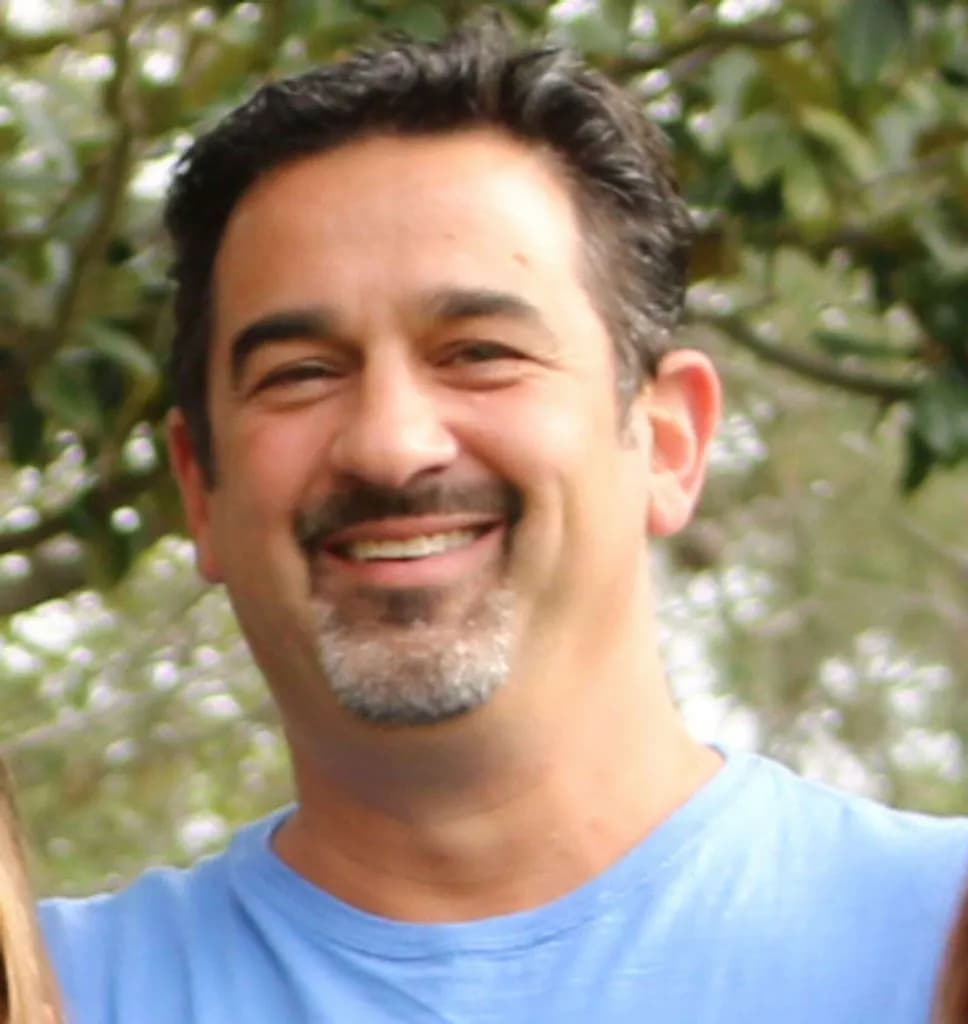
Aspen —"Who would have thought that a drug known for its ability to change human consciousness and perception would possibly have profound medical benefits as opposed to phycological benefits?"
That question, posed by Dr. Haims in a recent opinion piece for the Vail Daily, lands with particular weight here on the Western Slope. For locals, "magic mushrooms" usually conjures images of summer festivals in the mountains or a weekend trip to Denver’s psychedelic cafes. But Haims argues that psilocybin is shedding its countercultural reputation to become a serious tool in oncology, specifically for preventing the nerve damage caused by chemotherapy.
The premise is straightforward: chemotherapy is a powerful weapon that kills rapidly dividing cells, but it often takes healthy nerve tissue with it. This side effect, known as peripheral neuropathy, can leave patients with burning pain or numbness in their hands and feet. Haims highlights research from MD Anderson Cancer Center that suggests a potential fix. In mouse models, as few as two doses of psilocybin given before chemotherapy appeared to protect nerve function without stopping the chemo from killing tumor cells.
To hear them tell it, the mechanism is less about magic and more about cellular logistics. Haims explains that nerve cells are incredibly long, like wires stretching the length of a finger. Inside these cells are mitochondria — tiny power plants that must travel down that wire to deliver energy. The research suggests psilocybin helps these mitochondria handle the stress of chemotherapy, keeping the "wires" intact while allowing the drugs to do their job.
The question is whether what works in a lab mouse translates to a human patient. Haims is careful to note that these findings have only been demonstrated in animal models and cannot yet be assumed to produce the same benefits in people. The gap between a mouse study and a prescription pad is wide, but it’s narrowing.
MD Anderson is now planning a phase two clinical trial called NeuroGuard. The study aims to test whether psilocybin can protect human nerves from chemotherapy-induced damage without reducing the cancer-fighting ability of the drugs. The trial plans to enroll about 83 adults with breast, colorectal, or head-and-neck cancer who are receiving chemotherapy.
For folks in the valley, the timing matters. We have a high concentration of cancer patients and oncology specialists here, from Aspen to Glenwood Springs. If NeuroGuard succeeds, the question shifts from whether psilocybin works to how it gets into a treatment plan. Haims draws a parallel to other hallucinogens, noting that MDMA and LSD were originally created for medical purposes — blood-clotting and circulatory issues, respectively, before becoming recreational staples. Now, psilocybin is following a similar path back to the clinic.
The math holds up for patients who dread the long-term side effects of chemo. If a pre-treatment dose can preserve nerve function, it’s not just about comfort; it’s about quality of life during and after treatment. Haims notes that he is generally open-minded, but this research threw him a curve ball. It’s the kind of discovery that forces a re-evaluation of what we consider "alternative" versus "mainstream."
As the NeuroGuard trial moves forward, the focus will be on human data. Until then, the evidence is promising but preliminary. Haims leaves us with a perspective that balances skepticism with hope:
"Perhaps the most interesting aspect of the MD Anderson research is what researchers discovered about how psilocybin may actually protect the nerves."
Keep up with Aspen
The day's Western Slope news, one email each morning. Free.