Mountain Towns Struggle with Offseason Mental Health Crisis
Mountain towns face a surge in mental health issues during the offseason, with increased anxiety, substance abuse, and suicidal thoughts. Local organizations and communities are working to provide support and resources.
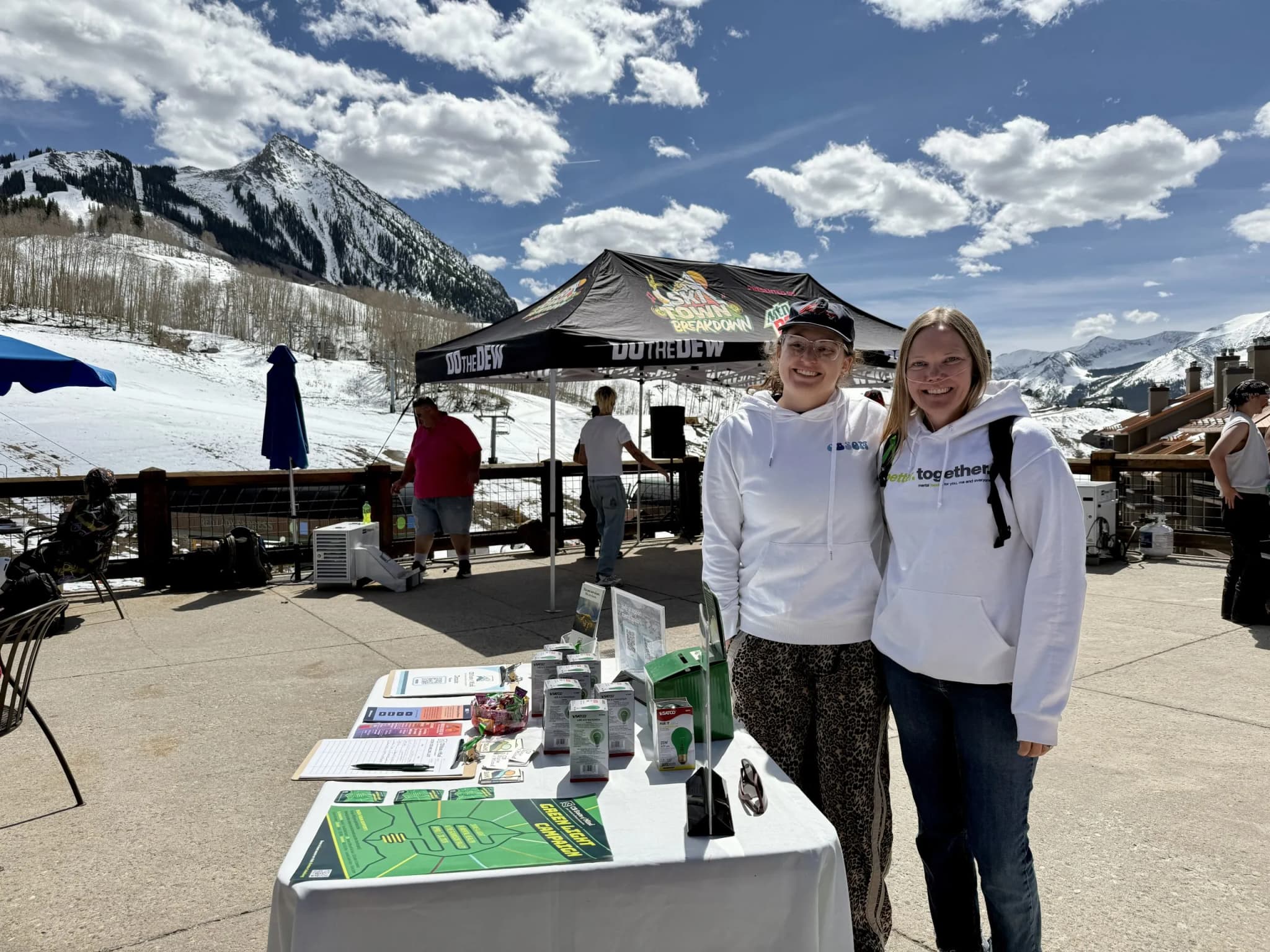
Colorado —Meghan Dougherty, executive director of CB State of Mind, is worried — the offseason blues are hitting mountain towns hard. "There is a lot of anxiety. People are stressed and they are anxious with limited resources," she says. This isn't just a Crested Butte problem — it's a mountain-wide issue.
The numbers are stark. In Vail, the crisis interventions conducted in January were 17, that number nearly doubled to 34 in February. Dr. Paige Baker-Braxton, director of outpatient behavior health for Vail Health, calls this "a significant uptick" from previous years. The Vail Health crisis team is busy with calls from people who are "acutely suicidal."
This isn't a new problem; the Eagle River Valley has been dealing with a rise in suicides for over a decade. The average number of annual suicides has climbed to over 10, up from 7 in the previous decade. But the offseason seems to be exacerbating the issue. Without the distraction of work or skiing, people are left to face their demons alone. Substance abuse climbs, and the isolation can push people into dark places.
The Tri-County Health Network is trying to help, offering "therapy scholarships" to people in San Miguel, Montrose, and Ouray counties. These scholarships provide six free sessions with a counselor - a vital resource for those struggling to make ends meet. But it's not just about access to therapy. it's about building connections with others. As Dr. Baker-Braxton says, "You do not have to be a psychologist or psychiatrist to help someone dealing with isolation and hopelessness."
The problem is particularly pronounced among men, who are often triggered by financial challenges, loss of work, and loneliness. These strains are plentiful in the offseason, when businesses close and people leave town. Mental health support services have seen an increase in calls from men struggling with their wellness, a trend that's both surprising and alarming.
In Telluride, over 100 merchants and local workers marched down main street in January, urging support for those struggling with mental health issues. It's a start, but it's not enough. The offseason is a tough time for mountain towns, and it's going to take more than just a march to address the underlying issues.
Make no mistake; this is a crisis. The demand for counseling is high, and the surge in interventions is a clear indication that trouble is brewing. The short version: people are struggling, and they need help. The question is, what's being done to address the root causes of this problem? The answer, so far, is not enough.
The cost of living in these towns is soaring - housing, health insurance, and basic necessities are all becoming increasingly unaffordable. That's what's driving the anxiety and stress that Meghan Dougherty is seeing. It's not just a matter of providing more therapy sessions or crisis hotlines. it's about addressing the underlying economic issues that are driving this crisis.
Read that again: the average number of annual suicides in the Eagle River Valley has climbed to over 10. That's a stark reminder of the human cost of this crisis. Vail Health's efforts to provide mental health support are crucial, but they're not a substitute for a broader solution. The community needs to come together to address the root causes of this problem, and that's going to take more than just a few marches or therapy sessions.
Worth watching: the Tri-County Health Network's therapy scholarships are a crucial part of the solution, providing essential support to those in need. What's needed is a comprehensive approach that addresses the economic and social issues driving this crisis. Until then, the offseason blues will continue to hit mountain towns hard.
In Crested Butte, the ski season ended early; and with it, the town's usual bustle and activity. The town is left to face the offseason alone, with all its attendant struggles. It's a tough time, but it's also an opportunity for the community to come together and address the underlying issues driving this crisis. The question is, will they take it?
Keep up with Colorado
The day's Western Slope news, one email each morning. Free.
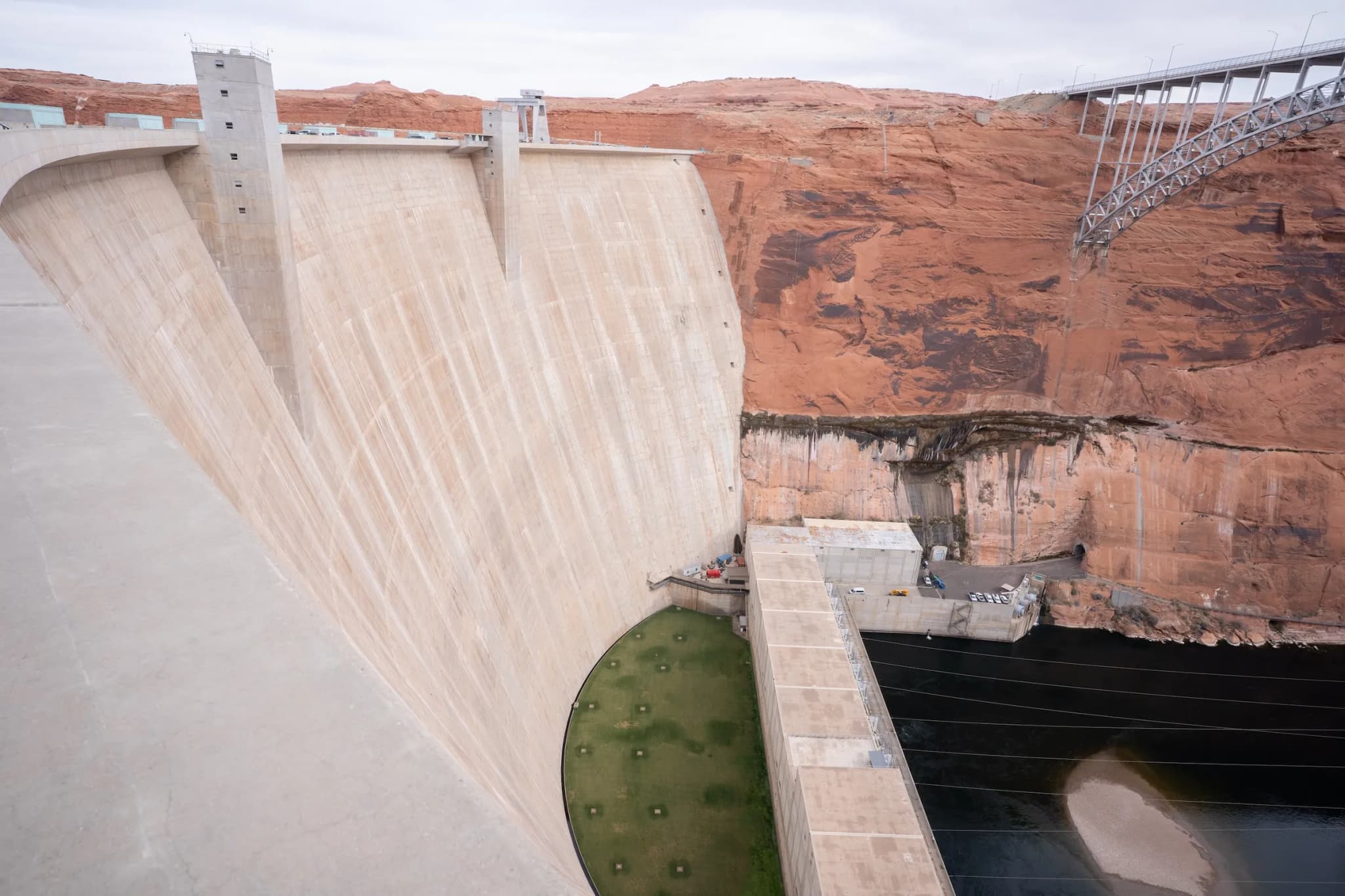
Federal Report Sets 200,000 Acre-Foot Water Conservation Target for Upper Basin

Colorado Parks and Wildlife Deploys Precision Drones for Weed Control