Routt County Weighs Nuclear Power Options
Routt County commissioners consider the potential role of nuclear power in replacing retiring coal plants, seeking community input on the implications of advanced nuclear technologies.
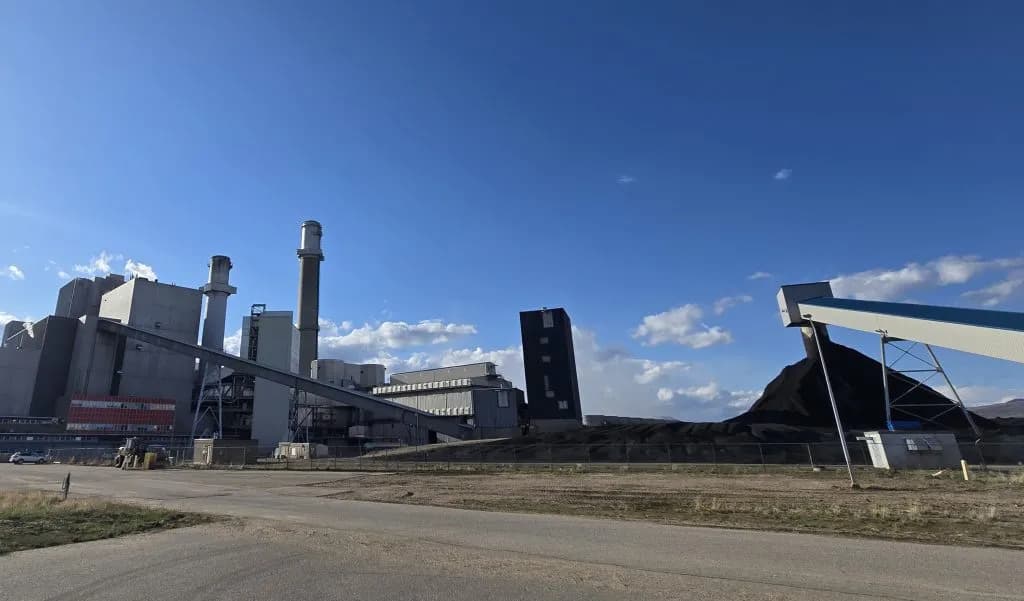
Steamboat Springs —Standing at the edge of Steamboat Springs, the snow-capped Rockies stretch out to the west, a reminder of the region's rugged beauty and the challenges of powering its growth. The hum of the local energy grid is a constant presence, a reminder that the future of energy production is being written in real-time. In Routt County, that future is being weighed with caution, as commissioners consider the potential role of nuclear power in replacing retiring coal plants.
The Colorado Energy Office's request for a letter of support for federal nuclear energy funding has been met with a deliberate pause, as county officials seek broader community input on the implications of advanced nuclear technologies. This is not a decision being taken lightly - the retirement of coal plants like Hayden Station and Craig Station will leave a significant gap in the region's energy production, and the potential for nuclear energy to fill that gap is being carefully considered.
Routt County Director of Environmental Health Scott Cowman has stated that the county is taking a careful approach to this complex issue, recognizing the potential economic and grid reliability benefits, but also acknowledging the need for a full understanding of the implications. This includes long-term waste management, water use, community and environmental health impacts, cost exposure for ratepayers, and the role of local governments in siting and consent. The county is evaluating what support for federal research funding or hosting nuclear-related facilities would actually mean, and is reviewing policy guidance, sustainability analysis, and new legislation such as HB26-1337, Facilitating Nuclear (Energy) Development.
The commissioners' decision to hold off on endorsing the state's push for federal nuclear energy funding is a significant one, reflecting a desire to ensure that any stance taken represents the views of their constituents. This is not just about the potential benefits - it's about the potential risks, and the need for comprehensive community engagement to understand those risks. The county is beginning to consider how to develop a community-wide perspective on nuclear power, and that process will be worth watching.
Make no mistake, the retirement of coal plants in the region will have a significant impact on the local economy and energy production. The potential for nuclear energy to fill that gap is being considered, but it's not a straightforward decision. The short version is that this issue is complex, with significant implications for the environment, public health, and the local economy. The county's deliberate approach is a reflection of the need for careful consideration, and the importance of getting this decision right.
As the county moves forward, it will be important to consider the potential costs and benefits, and to ensure that any decision taken is in the best interests of the community. The fact that the county is taking a cautious approach is a good thing - it reflects a recognition of the complexity of the issue, and a desire to get it right. The question now is what that approach will look like in practice, and how the county will balance the potential benefits of nuclear power with the potential risks. Read that again - the county is not rushing into a decision, and that's a good thing.
The Colorado Energy Office's report, "Exploring Advanced Energy Solutions for Northwest Colorado," highlights the potential for advanced nuclear technologies to play a role in the region's energy transition. However, it also acknowledges the need for careful consideration of the implications, and the importance of community engagement in shaping the region's energy future. As the county moves forward, it will be important to consider the findings of this report, and to ensure that any decision taken is based on a thorough understanding of the potential benefits and risks.
In the end, the decision on whether to support nuclear energy in Routt County will be a complex one, with significant implications for the environment, public health, and the local economy. The county's cautious approach is a good thing, reflecting a recognition of the need for careful consideration and a desire to get it right. As the community moves forward, it will be important to stay informed, and to ensure that any decision taken is in the best interests of the community. Worth watching will be how the county balances the potential benefits with the potential risks, and how that decision will shape the region's energy future.
Keep up with Steamboat Springs
The day's Western Slope news, one email each morning. Free.