Pagosa Springs Residents Dig Through Mud After Record Floods
Residents in Pagosa Springs wade through knee-deep sludge to salvage belongings after 20 trillion gallons of rain inundated the Four Corners region.
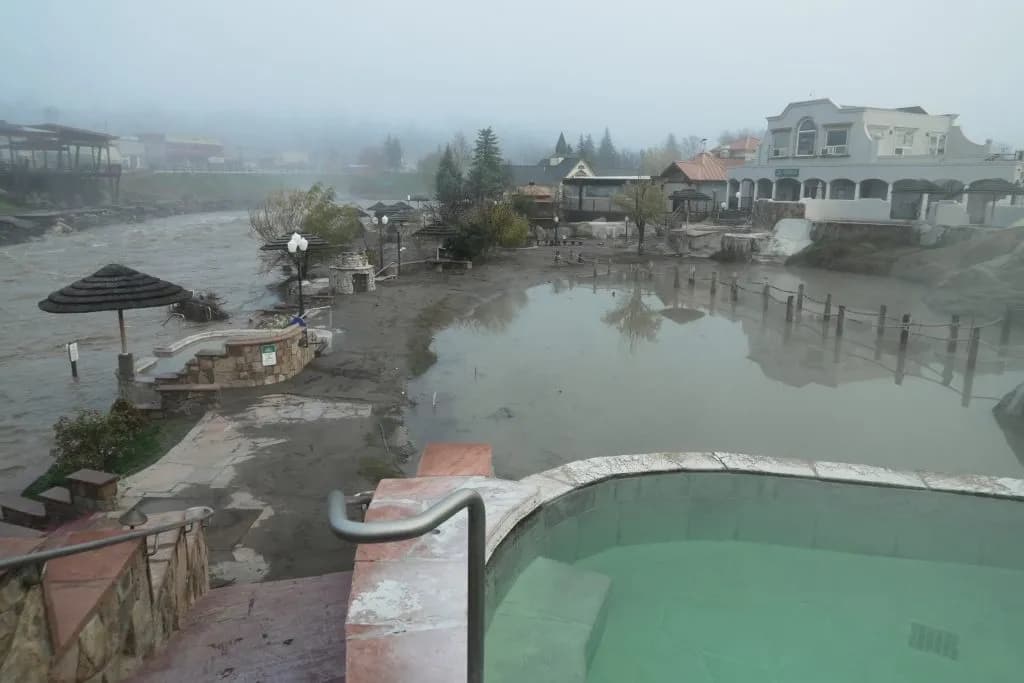
Durango —Jack Ellis stands on the banks of the San Juan River in Pagosa Springs, Colorado, staring at the aftermath of a storm that didn’t just break the water table — it broke the neighborhood. A retired schoolteacher, Ellis isn’t looking for sympathy; he’s looking for a shovel.
“This is quite a disaster for everybody, especially in the low-lying areas,” Ellis told the Vail Daily. “We dig in and dig out, and that’s what it’s going to take.”
Ellis’s comment captures the grim arithmetic of the current crisis. The water is leaving, but the mud is staying. And that mud is expensive.
To understand the scale of this mess, you have to look at the volume of water that hit the region. According to Ryan Maue, a former National Oceanic and Atmospheric Administration chief scientist, more than 20 trillion gallons of rain fell on the Four Corners states and Nevada in just two weeks. For context, that is equal to ten months of the flow over Niagara Falls. When you dump that much water onto ground that was already saturated from a wet fall, you don’t get runoff. You get inundation.
The immediate human cost is stark. One person has died in floodwaters, and police suspect a second death was weather-related. But the logistical burden is far heavier. In San Juan County, New Mexico, at least 20,000 residents were under evacuation orders. Devin Neeley, a spokesperson for the county, noted that while skies are clearing, major rivers remain above flood stage. “Now it’s a waiting game for the waters to recede,” Neeley said.
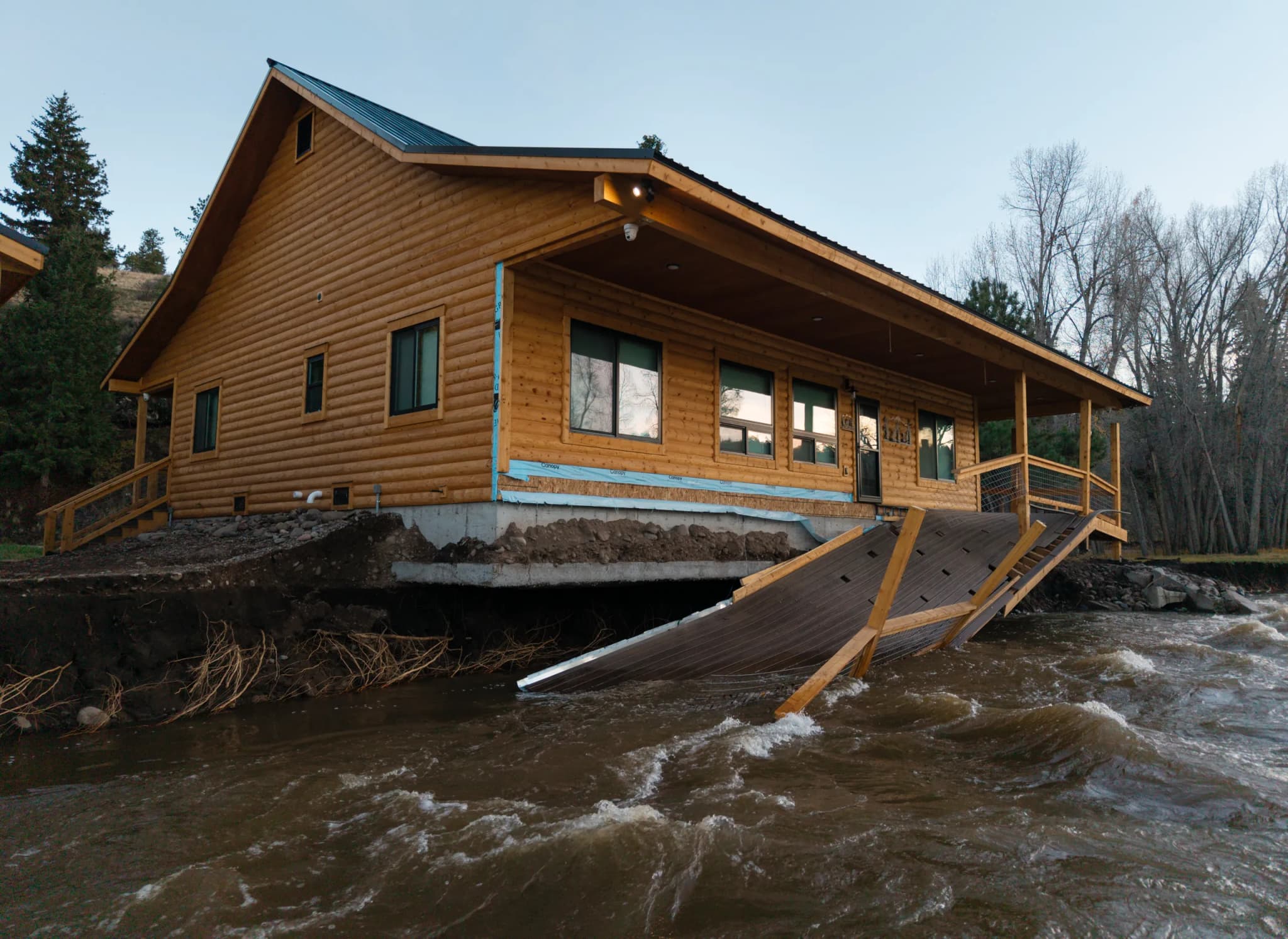
That waiting game is where the money starts to burn. Every hour the water stays high, another layer of silt settles into basements, clogs HVAC systems, and ruins drywall. In Pagosa Springs, the cleanup is now a manual labor operation. Residents are wading through knee-deep sludge to salvage furniture, electronics, and documents.
The impact extends beyond the immediate flood zones. The disruption has reached the civic infrastructure. In Colorado and Utah, communities had to implement alternative Election Day voting plans. Alyssa Gallegos, a contract mail carrier for the U.S. Postal Service, spent Tuesday morning rushing to get mail-in ballots from mailboxes to the post office to meet the 7 p.m. counting deadline.
“Regardless if we’re in a crisis and having a hard time, the world doesn’t stop turning,” Gallegos said. “They’re not gonna wait for us, so we just gotta stay with it.”
This sentiment applies to the entire region. The storm system may be moving on, but the recovery phase has just begun. For locals in the Southwest, the next few weeks won’t be about watching the sky for more rain. It will be about measuring the depth of the mud in their living rooms and calculating the cost to remove it.
The practical bottom line is simple: the water is free, but the mud isn’t. With 20 trillion gallons of rain having passed through the region, the infrastructure that held up during the deluge is now facing the corrosive reality of the aftermath. Until the last bucket of sludge is hauled away, the disaster isn’t over.
Keep up with Durango
The day's Western Slope news, one email each morning. Free.