Pardeep Toor Explores Immigrant Experience Through Writing
Pardeep Toor's short story collection sheds light on the immigrant experience, highlighting the challenges of cultural adaptation and the pursuit of the American Dream.
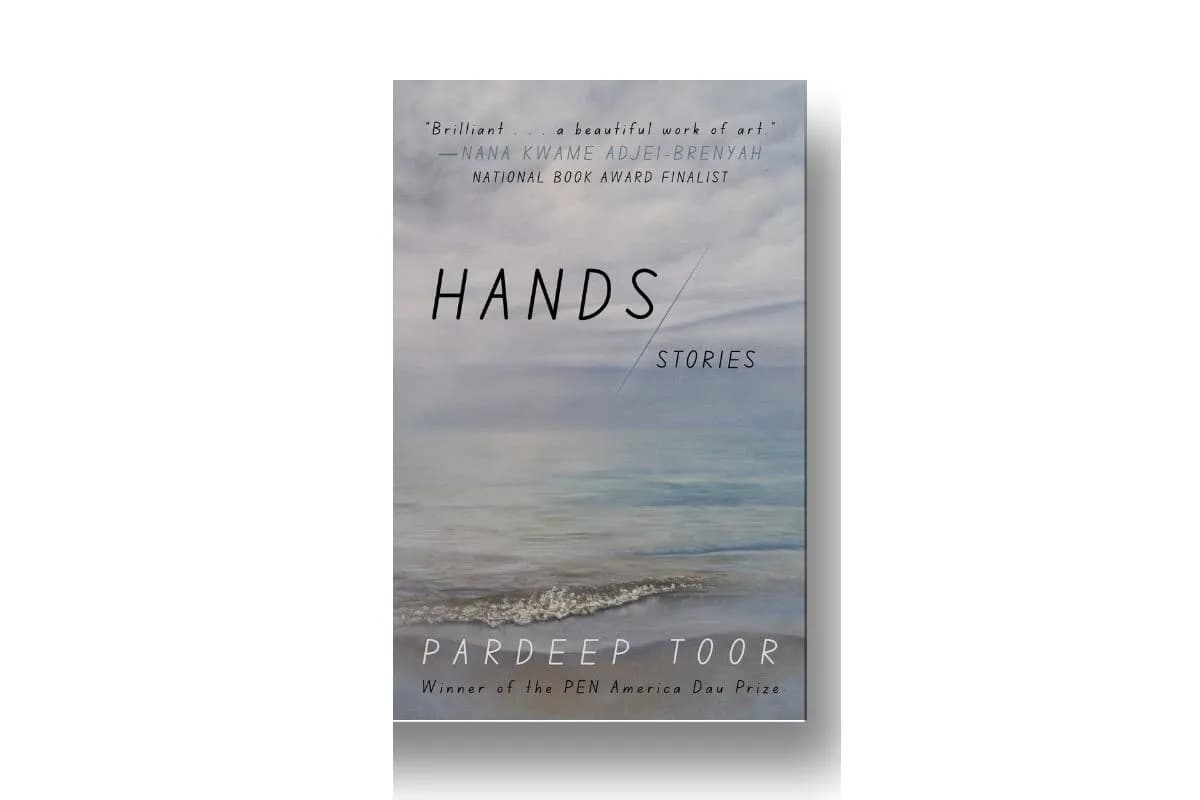
Colorado —It's not every day that a collection of short stories can be credited with pointing friends toward the American Dream, but that's exactly what Pardeep Toor's work is doing. Toor's writing, as seen in his short story "Hands," is a powerful exploration of the immigrant experience and the struggles that come with it. As Toor's character Hans tries to make sense of his new life in a small Michigan town, he finds himself drawn into a world of social hierarchies and unwritten rules.
"I didn't do anything," Hans says, as he tries to make sense of why he's being targeted by a popular football player named Steve. But as his friend Kanti points out, "Real men fight back. That's the rule in this country." This exchange highlights the difficulties that immigrants face as they try to adapt to a new culture and way of life. As Kanti notes, "We're the darkest students at school... we have to be careful."
The question is whether this kind of advice is really helpful in handling the situation with Steve. As Hans and Kanti discuss the best way to handle the situation, it becomes clear that there are no easy answers. "Fighting doesn't solve anything," Hans says, but Kanti is adamant that he needs to stand up for himself. "You have to fight him," Kanti says.
As the story unfolds, it becomes clear that Hans is struggling to find his place in this new world. He's desperate to fit in and be accepted, but he's not sure how to do it. "I told my classmates that I was a farmer too," he says, trying to connect with them over their shared interests. But as he quickly learns, it's not that simple. "My family owned land in a small village in northwest India," he explains, "but they didn't care about that. They only cared about what I had here."
The numbers back up the idea that immigrants face significant challenges in adapting to American society. According to the US Census Bureau, the poverty rate for foreign-born individuals is significantly higher than for native-born Americans. But as Toor's story highlights, it's not just about economic struggles - it's also about cultural and social challenges.
As Hans tries to come to terms with his situation, he's forced to confront the reality of his life. "I didn't own land in Michigan," he says, "so according to my classmates, it didn't matter what I had left back home." This sense of disconnection and disorientation is a common experience for many immigrants, and it's something that Toor explores in depth through his characters.
But for now, it's clear that Toor's writing is providing a powerful voice for those who are often overlooked or marginalized. As he puts it, "I'm trying to tell the stories that need to be told." And in "Hands," he's doing just that - providing a nuanced and thought-provoking exploration of the immigrant experience.
As the community here in the valley knows, the struggles of immigration are not limited to big cities or urban areas. Folks around here have their own stories of struggle and adaptation, and it's stories like Toor's that can help to shed light on these experiences. By sharing the complexities and challenges of the immigrant experience, Toor is helping to build a more compassionate and understanding community.
As Toor notes, "The American Dream is not just about achieving success - it's about finding a sense of belonging and acceptance." And for Hans and Kanti, that sense of belonging is something that they're still searching for. As Kanti says, "We're the good guys... but why is Steve hunting you?" It's a question that gets to the heart of the challenges that immigrants face, and it's something that Toor's story is helping to explore.
In the end, it's up to each of us to decide what the American Dream means to us, and how we can work to create a more inclusive and compassionate society. As Toor puts it, "I hope that my stories can help to inspire people to think differently about the world around them." And with "Hands," he's certainly doing just that.
Keep up with Colorado
The day's Western Slope news, one email each morning. Free.


Federal Report Sets 200,000 Acre-Foot Water Conservation Target for Upper Basin
Colorado Parks and Wildlife Deploys Precision Drones for Weed Control