Palisade Peach Farmers Try New Freeze Protection Method
A new method to protect peach buds from spring freezes is being tested in Palisade orchards, with potential national and worldwide significance.
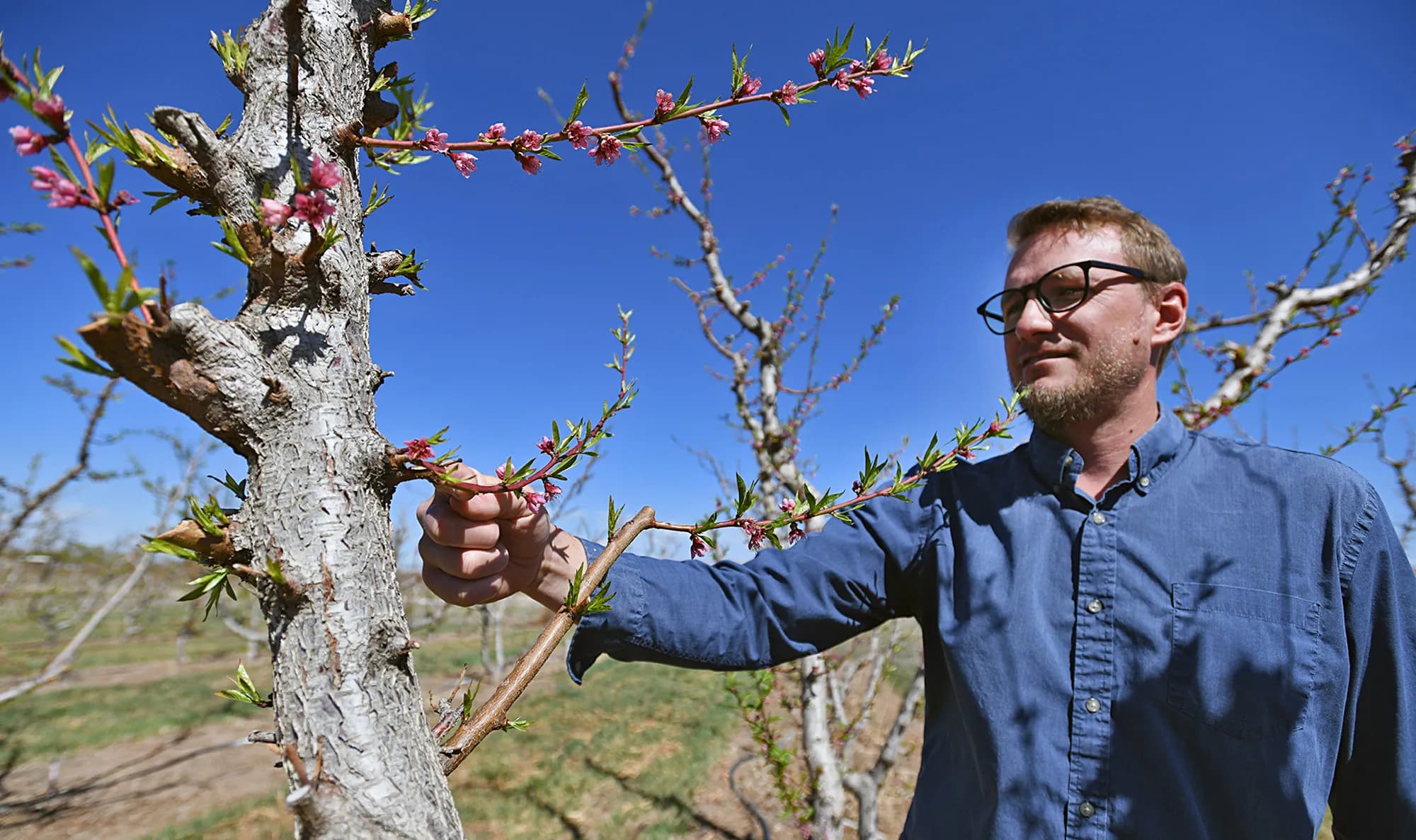
Colorado —"We're pretty excited about it. This could have national, no, worldwide significance," says Kaleb Easter, operation manager at Cunningham Orchards. He's talking about a new method to protect peach buds from deadly spring freezes - a spray of calcium fertilizer containing amino acids. Easter has a 400-gallon sprayer ready to go if temperatures plummet in the orchard near Palisade this weekend.
The discovery was made by David Sterle, a horticulturist at Colorado State University's Western Colorado Research Center. Sterle's been studying ways to make fruit crops hardier since 2014. He's found that amino acids - the building blocks of proteins - can act as a protective layer for the buds, helping them deal with stress. This is a significant breakthrough, especially for Western Slope peach farmers who stand to lose $15,000 to $20,000 per acre with a killing frost.
Sterle's research started with examining how frigid temperatures affect buds. He poked around in the more than 3,000 compounds contained in each minuscule peach blossom, searching for clues. He didn't expect to find an answer in a commonly used fertilizer, but that's exactly what happened. The amino acids in the fertilizer seem to give the buds a bit of a "cozy sweater" - a way to cope with the cold. The potential impact is substantial. Saving just 15% of the buds can mean a profitable crop for farmers. The overall peach industry in Colorado could lose $60 million to $100 million over the next decade due to freeze damage. If this new method can mitigate some of that loss, it will significantly boost the industry's bottom line.
A worker prunes peach trees in at Orchard Valley Farms in Paonia - a common sight in Western Slope orchards. But this year, some farmers will be trying out Sterle's new method. The spray is a new addition to the arsenal of direct freeze fighters in western Colorado's peach orchards. It's not a replacement for traditional methods like wind machines and propane heaters, but it could be a valuable supplement. The science behind it is complex, but the idea is simple: give the buds a bit of extra protection, and they might just make it through the cold snap. Sterle's been testing the spray, and some growers have already seen promising results. It's still early days, but the potential is there. As Easter said, this could have national - even worldwide - significance.
The Western Slope is home to many peach orchards, and the industry is a significant part of the local economy. If this new method helps farmers protect their crops, it could have a positive impact on the community as a whole. Neighbors who work in the orchards, folks who buy peaches at the local market - everyone stands to benefit if the peach crop is successful. Sterle's discovery is a reminder that even in the face of challenges like spring freezes, there's always room for innovation. By studying the microscopic effects of cold temperatures on peach buds, he's found a new way to help farmers. This development will likely be closely watched - and its effects on the local agricultural industry will be noteworthy.
The short version: amino acids might just be the key to protecting peach buds from spring freezes. It's not a magic bullet, but the results are promising. As the weather warms up and the growing season gets underway, it'll be interesting to see how this method plays out in local orchards. Read that again: this could have national, even worldwide significance. The question now is - will it work on a larger scale?
Keep up with Colorado
The day's Western Slope news, one email each morning. Free.




Federal Report Sets 200,000 Acre-Foot Water Conservation Target for Upper Basin
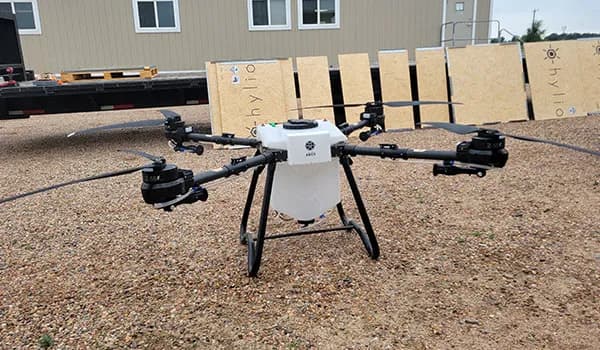
Colorado Parks and Wildlife Deploys Precision Drones for Weed Control