Platteville's 33,000 Pounds of Nuclear Waste Blocks New Reactor Plans
An analysis of the 33,000 pounds of spent nuclear fuel rods sitting in Platteville since 1989, highlighting how the lack of a permanent disposal plan complicates the push for new small modular reactors.
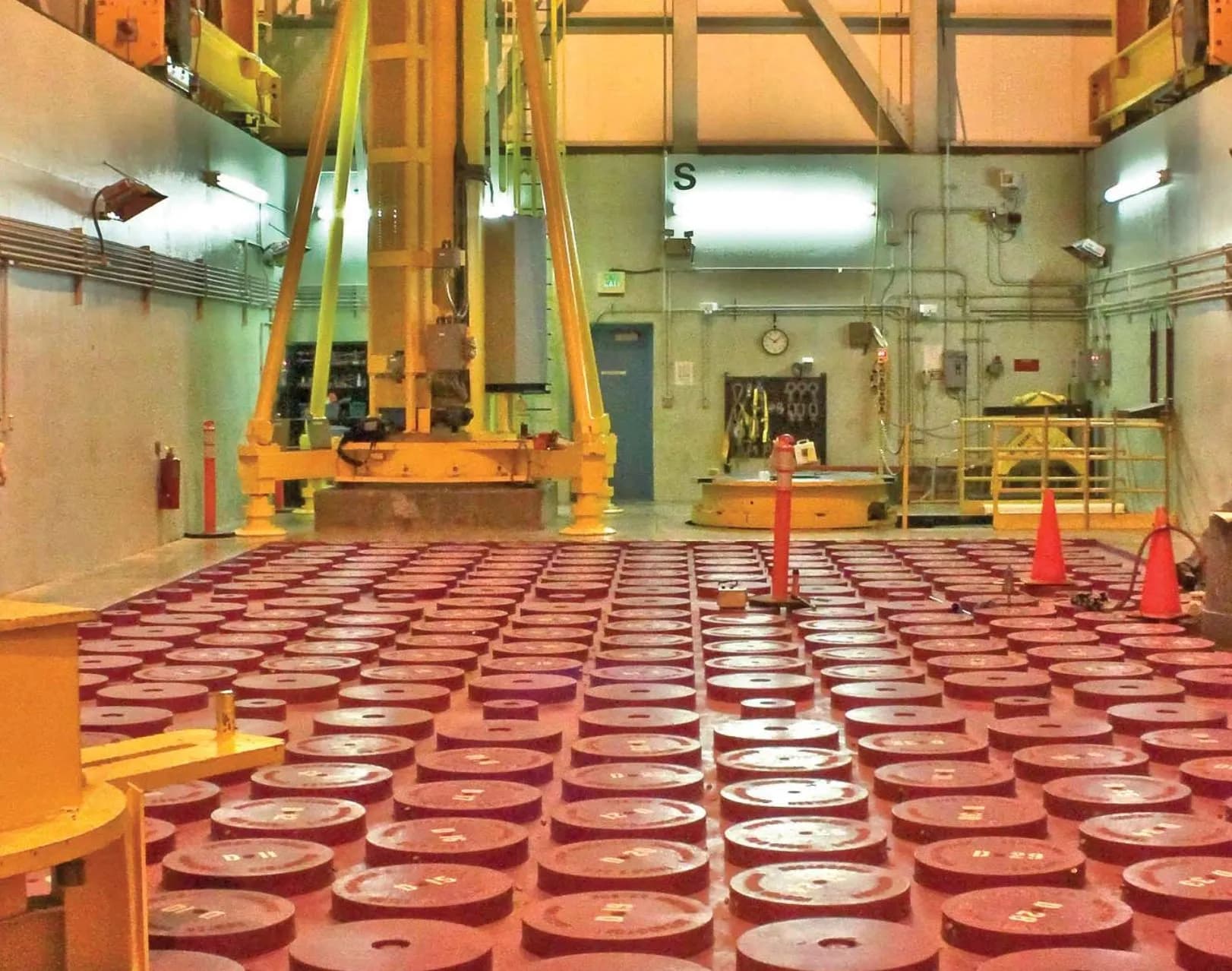
Colorado —33,069 pounds. That’s the exact weight of spent nuclear fuel rods sitting quietly in a reinforced concrete building just outside Platteville, Colorado. It’s not a theoretical number from a physics textbook. It’s actual, alpha-particle-shedding reality, located somewhere between the Happy Tails Dog Ranch and the Platteville Community Center.
For context, that’s roughly 15 metric tons of high-level radioactive waste. It’s been there since 1989. It’s been there since Public Service Co. of Colorado (now Xcel Energy) gave up on the Fort St. Vrain plant. And despite the current legislative buzz about reviving nuclear power with smaller, sleeker reactors, that pile of waste isn’t going anywhere.
Let’s do the math on why we’re stuck. The Department of Energy is supposed to handle the waste. They shipped about 8 metric tons to Idaho back in the day. But Idaho said, “Nope, we’re full,” in 1991. So Xcel built a massive concrete silo right on the Fort St. Vrain site to hold the remaining 15 metric tons. That’s the 33,000-plus pounds. It’s ours to keep.
The irony? Xcel and some state legislators are now pushing for new nuclear reactors. They’re talking about small modular reactors, maybe even one for Buckley Space Force Base in Aurora. The Department of Defense has already commissioned some. But here’s the kicker: neither the new commercial reactors nor the military ones come with a long-term storage plan for the waste they’ll produce. We’re adding more fuel to the fire without building a bigger fireplace.
Fort St. Vrain wasn’t exactly a model of efficiency. It finished construction in 1972, but it only generated commercial power about 15% of the time it was open. Frequent breakdowns from corrosion and electrical issues plagued the helium-cooled plant. It shut down for good in 1989 after another breakdown. The waste it left behind is what we’re dealing with today.
Yucca Mountain in Nevada was supposed to be the permanent solution. Congress designated it. But political opposition killed it. It never opened. So we’re left with this interim storage solution that’s been “interim” for over three decades.
The current debate isn’t just about energy; it’s about liability. If we build more reactors, who pays for the waste? The federal government? The utility? The ratepayer? The source material doesn’t give us a clear answer, just a pile of fuel rods in Platteville that’s been sitting there since before most of us were born.
This isn’t just a Denver problem. It’s a Western Slope problem, too, because the money to maintain that concrete silo and eventually decommission the site comes from somewhere. It comes from the same pot that pays for our roads and schools.
The bottom line: We have 33,000 pounds of radioactive waste sitting in a box near Platteville. We’re planning to add more. We don’t have a place to put it. And we’re pretending the problem doesn’t exist while we argue over whether to build more reactors.
Keep up with Colorado
The day's Western Slope news, one email each morning. Free.


Federal Report Sets 200,000 Acre-Foot Water Conservation Target for Upper Basin
Colorado Parks and Wildlife Deploys Precision Drones for Weed Control