Pope Leo XIV Unveils AI Manifesto to Dismantle Tech Power
Pope Leo XIV releases 'Magnifica Humanitas,' a manifesto demanding robust legal frameworks to curb tech giants' power and protect the common good from AI domination.
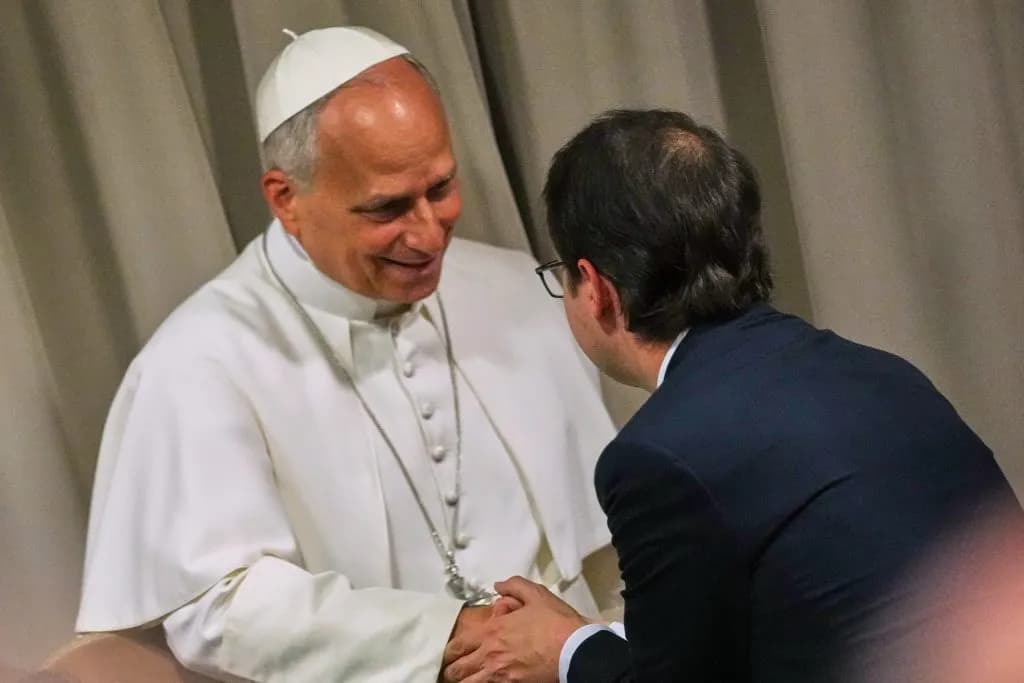
Aspen —The hum of servers in a data center somewhere in the valley is a sound most locals never hear, but it’s becoming the quiet engine behind the economic shifts we feel every day. From the tech hubs in Basalt to the remote workers logging in from Paonia, artificial intelligence is no longer just a buzzword in the business section — it’s reshaping how we work, how we defend ourselves, and who holds the power.
On Monday, Pope Leo XIV stepped into that fray, not with a simple blessing, but with a manifesto that demands we slow down.
“Magnifica Humanitas” (Magnificent Humanity), the Pope’s first encyclical, is a direct challenge to the “culture of power” driving the current AI race. Leo, history’s first U.S.-born pope, declared AI the biggest challenge facing humanity today. His message to developers and regulators is clear: stop chasing profit and power, and start working for the common good.
“Artificial Intelligence now demands to be disarmed, freed from logics that turn it into an instrument of domination, exclusion and death,” Leo told attendees at a special Vatican presentation of the document.
The timing is sharp. While the Trump administration has been working aggressively to deregulate AI development, Leo is calling for robust legal frameworks and independent oversight. He’s not asking for abstract ethics; he wants concrete rules that protect the vulnerable, especially children, from the concentration of data in the hands of a few tech giants.
“It is not enough to invoke ethics in the abstract,” Leo wrote. “Robust legal frameworks, independent oversight, informed users and a political system that does not abdicate its responsibility are required.”
The document comes at a moment when the local economy is already feeling the pressure. As AI tools replace routine jobs and alter the landscape of remote work, the question of who controls the technology is becoming a question of who controls our livelihoods. Taylor Black, a Microsoft AI executive and director of Catholic University of America’s AI institute, says this encyclical will force people “at the forefront of these tools” to ask a fundamental question: “What does it mean to be human?”
The Vatican didn’t just issue a statement and walk away. They brought the players into the room. The launch included remarks by the co-founder of Anthropic, a major AI player currently locked in a legal battle with the Trump administration over access to its technology. This was part of the Vatican’s decade-long effort to engage Silicon Valley in a dialogue about the human cost of innovation.
Yet, even as they host the innovators, Leo is blasting the concentration of power. He argues that a “more moral AI” is useless if that morality is determined by a handful of executives in their own boardrooms. He’s urging political leaders and developers alike to reflect on whether they are building tools that elevate humanity or just instruments of exclusion.
For folks in the Western Slope, where the gap between high-tech innovation and traditional industries like agriculture and tourism is often just a highway drive away, this isn’t just theological debate. It’s about policy. It’s about whether the regulations we get will be shaped by a few big tech firms or by a system designed to protect the public interest.
Leo’s point is that we can’t just let the market decide the future of intelligence. We need a political system that doesn’t abdicate its responsibility.
The evidence supports this view, but the data alone doesn’t tell the whole story. The story is about power. And right now, the power is concentrated. The Pope is asking us to redistribute it — not just wealth, but decision-making authority.
As the encyclical makes its way from Vatican City to the halls of Congress and the boardrooms of local tech firms, the challenge for us is simple: Are we letting the technology drive, or are we holding the wheel?
“Leo appealed to AI developers and political leaders responsible for regulating them to slow down and reflect on what they are doing,” the report notes. “He urged them to use ethical and spiritual guidelines to make the choice to work not for their own profit or power, but the betterment of humanity.”
That’s the bottom line. The technology is moving fast. The regulation is lagging. And the Pope is betting that if we don’t slow down now, we might lose control of the machine forever.
Keep up with Aspen
The day's Western Slope news, one email each morning. Free.