Poschman Pushes Habitat Connectivity to Front of Roaring Fork Plan
Commissioner Greg Poschman urged the Roaring Fork Outdoor Coalition to prioritize habitat connectivity in its 90% complete strategic plan, sparking debate over the $1 million funding goal and regional coordination.
Aspen —"Without the connectivity component front and center in this, I think we’re missing something."
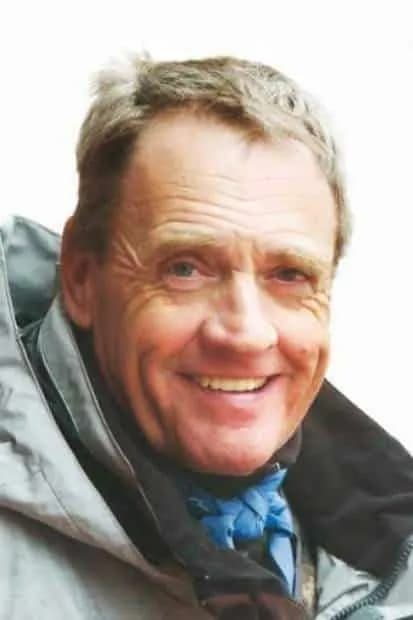
Commissioner Greg Poschman said it plainly during a joint session Tuesday. He was looking at the Roaring Fork Outdoor Coalition’s Strategic Plan, now 90% complete. He wanted habitat connectivity to lead the charge, not sit in the background.
The Coalition presented a "Regional Partnership and Projects Update" to the Pitkin County Board of Commissioners and the Open Space and Trails Board. The goal is clear: raise $1 million over the next three years to fund multi-jurisdictional work.
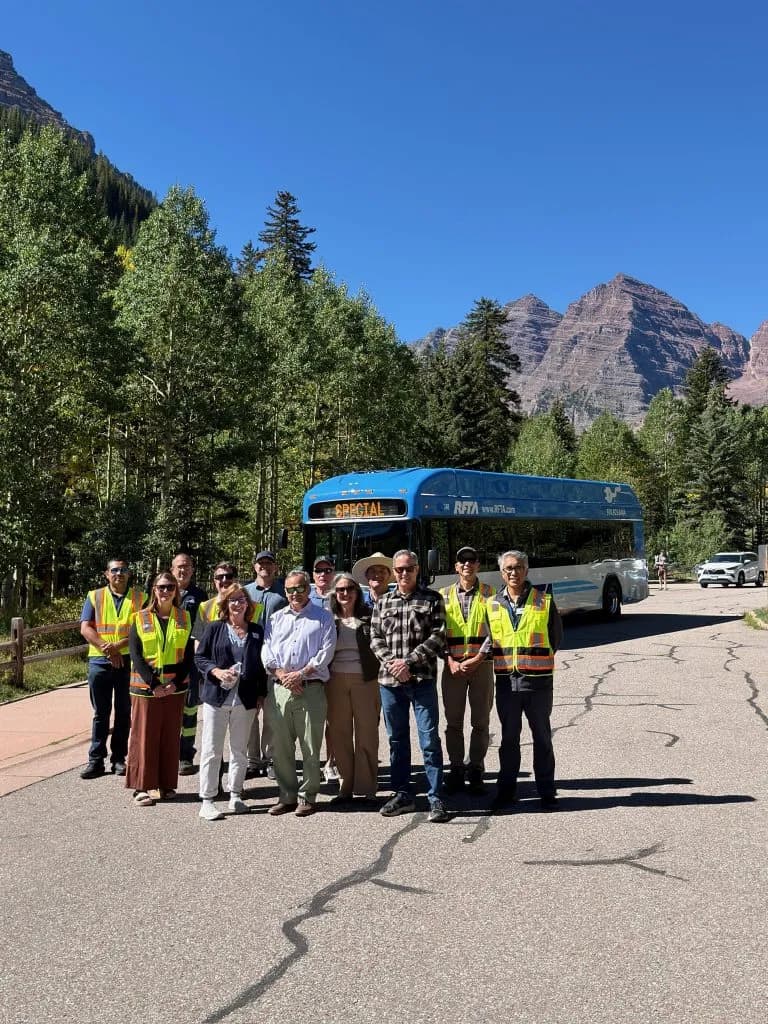
This isn’t a new group. The Coalition launched in 2021. It brings together federal, state, local, nonprofit, and community partners across the watershed. The structure exists because problems don’t stop at county lines. A river doesn’t care where Pitkin ends and Garfield begins.
The work has moved through four stages. First, they finished the Roaring Fork Biodiversity and Connectivity Study and the Outdoor Recreation Visitor Use and Experience Report. That gave everyone a shared technical foundation. Second, they built capacity through stakeholder engagement, establishing a charter and decision-making framework. Third, they developed the Strategic Plan and a Decision Support Toolkit. Now, in stage four, they are using those tools to fund early implementation projects this year.
That includes eight stewardship projects and a regional Visitor Information Services program.
Carly O’Connell, the Pitkin County Open Space and Trails senior planner and landscape architect, co-chairs the coalition. She addressed Poschman’s concern directly. Roaring Fork Safe Passages is already doing heavy lifting on connectivity. The Coalition’s goal isn’t to duplicate that work. It is to collaborate with it.
The five "Guideposts" of the document are set: cross-jurisdictional partnerships, conservation, habitat and connectivity, education and stewardship, access and equity, and recreation volume and impacts.
Poschman’s push for prominence suggests he sees a gap between the toolkit and the ground truth. He wants to leverage the "huge brain trust" they are assembling. The staff report submitted before the session emphasized that the pace was intentional. They built relationships and trust first. Now they are trying to get work done on the ground.
The $1 million target is a three-year horizon. It funds the coordination, not just the shovels in the dirt. The Coalition is betting that a shared decision-making framework will prevent the usual siloed spending where every town fixes its own patch of trail while the regional corridor crumbles.
The Visitor Information Services program is a tangible piece of this. It aims to manage recreation volume and impacts across the entire Roaring Fork Valley, not just within one municipal boundary.
Poschman’s skepticism is a useful check. If connectivity isn’t front and center, the plan risks becoming a catalog of isolated projects rather than a connected system. The Coalition says they are listening. O’Connell’s response points to existing partners rather than new ones, a strategy that saves money but relies on others staying the course.
The board will watch how the $1 million is allocated. If it goes to duplicating Safe Passages’ work, Poschman will be right. If it fills the gaps between jurisdictions, the plan holds up.
The Strategic Plan is 90% done. The remaining 10% will determine whether this coalition becomes a permanent fixture of regional governance or another well-intentioned group that dissolves once the grant money runs dry.
Poschman wants to see connectivity lead. The Coalition says it’s already there, just not shouting the loudest.
We’ll see which version survives the next fiscal year.
Keep up with Aspen
The day's Western Slope news, one email each morning. Free.