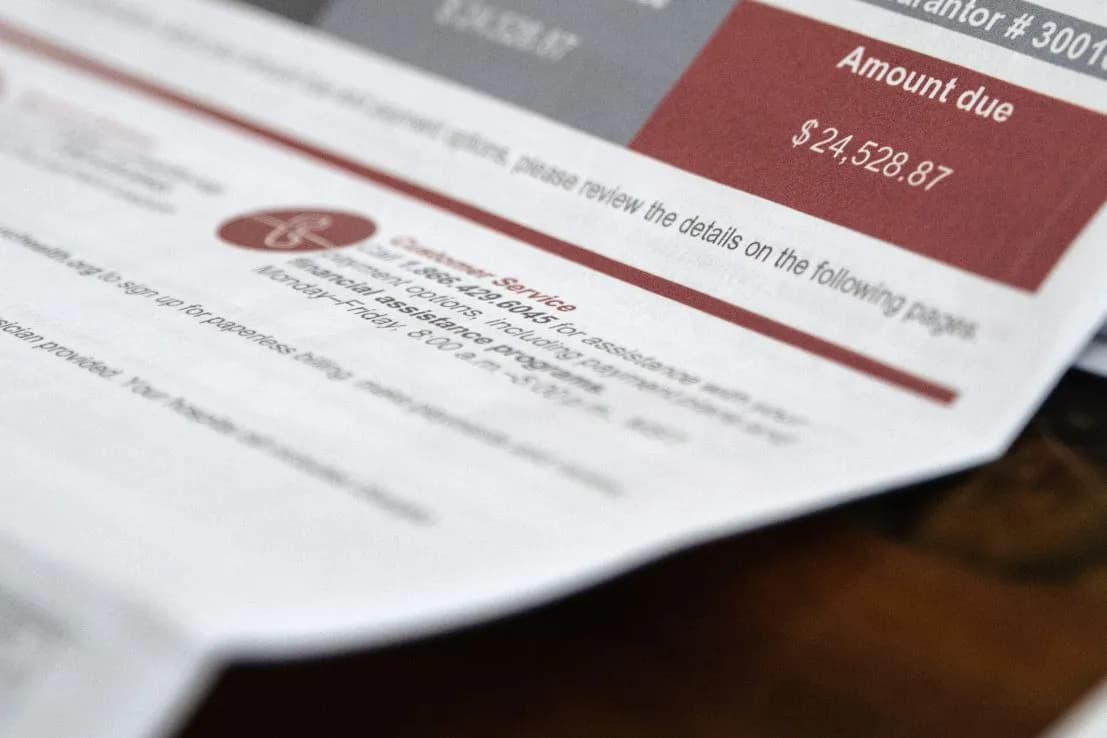
Pueblo Faces Loss of Prop 123 Funding Over Unrealistic Housing Goals
Pueblo risks losing Proposition 123 funding because its existing affordable housing stock makes the state's required 3% annual growth rate unachievable, prompting legislative fixes in House Bill 1313.
Colorado —The air in the committee hearing room was thick with the kind of bureaucratic tension that usually precedes a budget cut, or a scandal. Melissa Cook, Pueblo’s director of housing and citizen services, stood before the House Committee on Transportation, Housing and Local Government, her voice steady but her words carrying the weight of a city on the brink of losing its financial footing. She wasn’t just reciting statistics; she was describing a paradox that had turned a well-intentioned state mandate into a punitive trap for communities that had done their homework.
Pueblo, a city with a deep history of industrial labor and relatively affordable housing stock, was being told it was failing. The problem wasn’t a lack of effort, but a flaw in the math of Proposition 123. The 2022 ballot measure, designed to generate $350 million a year for affordable housing, required local governments to demonstrate a 3% annual increase in affordable units to remain eligible for the funds. It was a simple rule on paper, but in practice, it was unachievable for places like Pueblo, where the existing supply of naturally occurring affordable housing — older homes in less expensive neighborhoods that low-income families can afford at market rates — was already substantial.
Because these existing homes counted toward the affordable stock, the city had to produce so many new deed-restricted units that the goal became absurd. Cook told the committee that Pueblo must produce 1,206 new affordable units over a three-year cycle. That’s more residential units than the city has ever created in any three-year cycle in decades, let alone of documented affordable housing. It’s a demand that ignores the reality of what’s actually being built, let alone what’s affordable.
If lawmakers don’t pass a fix, more than 90% of local governments enrolled in Proposition 123 could be disqualified from the funding cycle starting January 1. That’s not just a statistic; that’s a potential gutting of the housing infrastructure for towns across the state, from the Western Slope to the Front Range. The irony is palpable: a measure designed to incentivize affordable housing is now penalizing communities that already have it.
State Rep. Rebekah Stewart, D-Lakewood, put it plainly during the hearing. “Ultimately the goal is creating more housing, right?” she said. “It set goals that certain jurisdictions were never, never going to be able to hit, (affordable housing) goals that exceeded the amount of building permits that they actually issue year over year. Just completely unrealistic; unachievable.”
Now, House Bill 1313 is moving through the legislature, a complex formula proposed by the Polis administration and lawmakers like Stewart, House Speaker Pro Tem Andrew Boesenecker, and Sen. Matt Ball to untangle this knot. The bill aims to give local governments various paths to maintain eligibility, recognizing that a one-size-fits-all 3% growth rate doesn’t account for the diverse housing landscapes of Colorado’s cities and counties.
But as the bill heads to the Senate, the question remains: what sorts of housing are we incentivizing? And who gets left behind when the funding tap turns off? The answer will shape the housing landscape for years to come, and for now, the clock is ticking toward January 1.
Keep up with Colorado
The day's Western Slope news, one email each morning. Free.

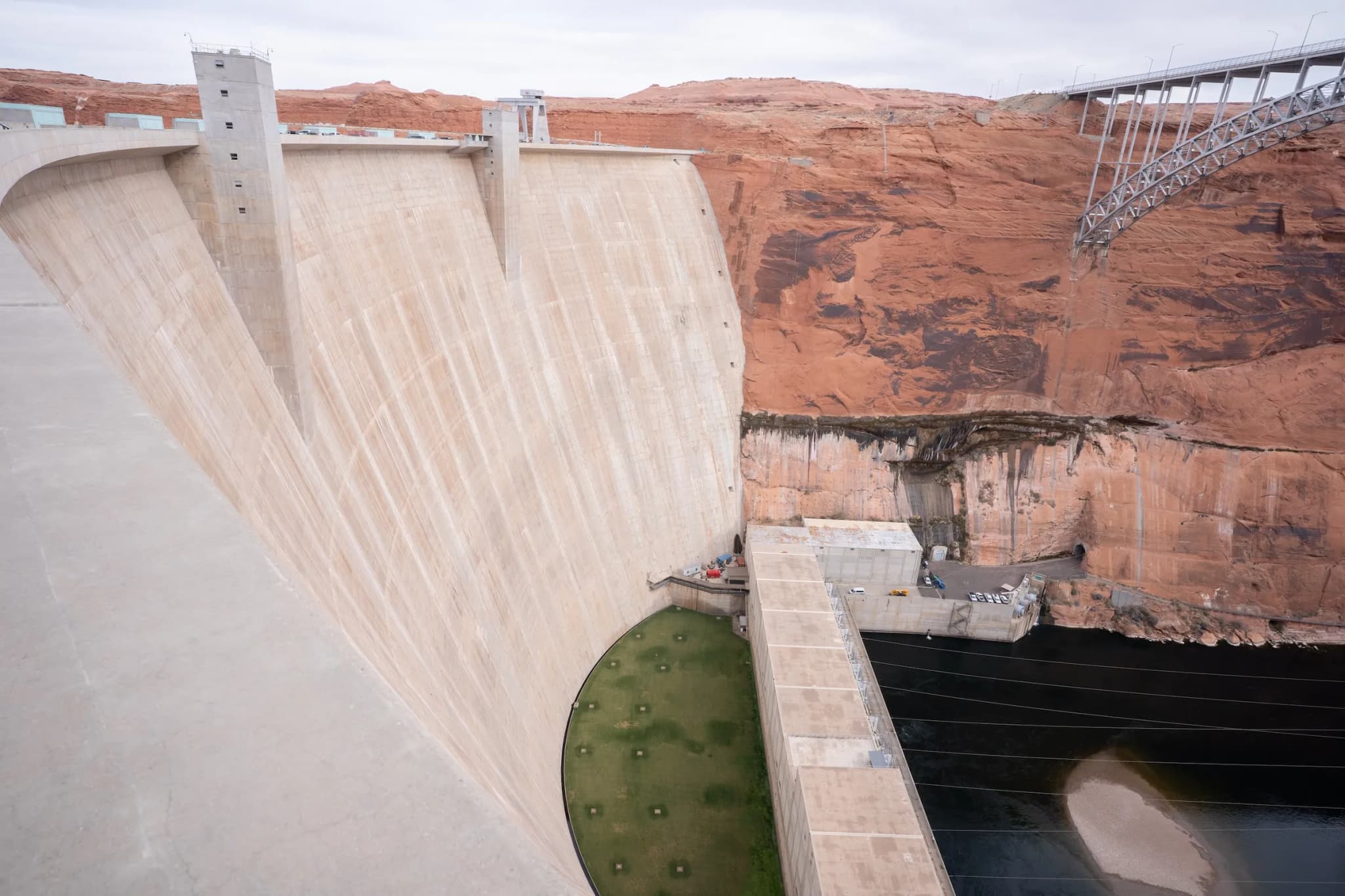
Federal Report Sets 200,000 Acre-Foot Water Conservation Target for Upper Basin

Colorado Parks and Wildlife Deploys Precision Drones for Weed Control