Ranchers Submit Feedback on Colorado Wolf Management Before June Deadline
Ranchers and landowners have until June 5 to provide the U.S. Fish and Wildlife Service with specific data on wolf-livestock conflicts, verification bottlenecks, and compensation effectiveness under the 10(j) rule.
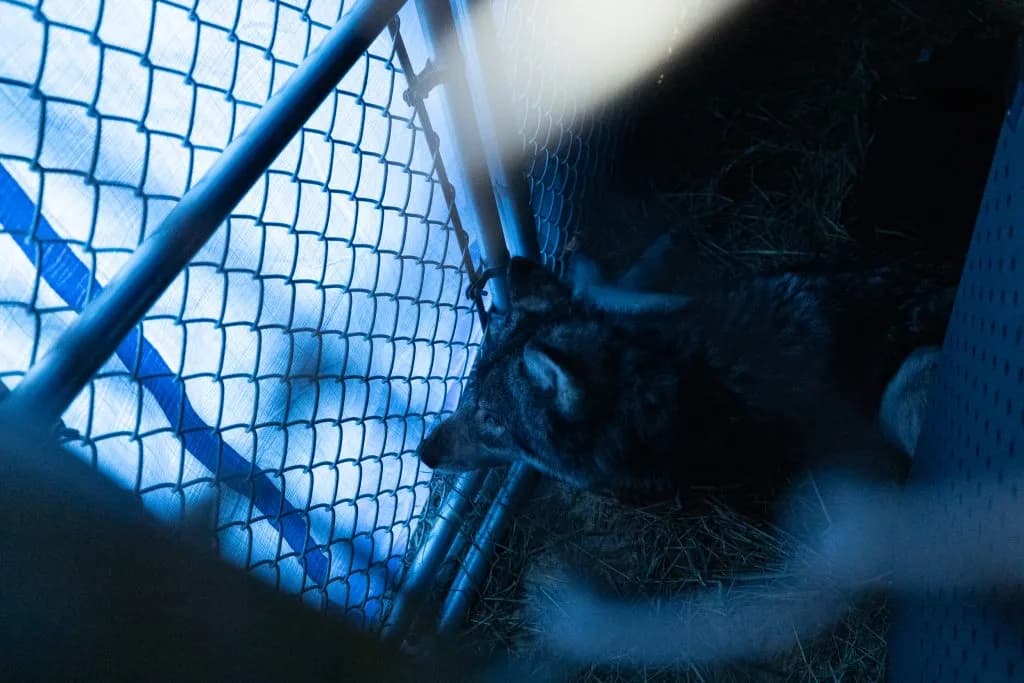
Aspen —The deadline is June 5. That’s less than two months for ranchers, landowners, and agencies to tell the U.S. Fish and Wildlife Service (USFWS) whether Colorado’s wolf management plan is actually working or if it’s just paperwork with teeth.
The federal agency dropped a notice on April 6 asking for input on how Colorado Parks and Wildlife (CPW) is handling the conflict between gray wolves and livestock. This isn’t a vague inquiry. They are specifically targeting the implementation of the 10(j) rule, the legal mechanism that allows the state to manage the federally endangered predators as a “nonessential, experimental population.”
Let’s be clear about what that means for folks raising cattle on the Western Slope. The 10(j) rule, finalized in 2023, gives CPW the authority to kill wolves in certain instances despite federal protections. It’s the tool used to keep the population in check and to manage depredation. But authority is one thing. Compensation and conflict prevention are another.
Luke Perkins, a spokesperson for CPW, told reporters on Monday that the state agency “is evaluating this request for information.” He added that CPW has “worked in partnership with USFWS and Colorado’s producer community throughout the planning and implementation of our wolf restoration program.”
Partnership is a nice word for a system that is currently under federal audit. The USFWS notice asks four specific, pointed questions:
- What trends in wolf-livestock interactions have occurred since the 10(j) rule implementation on December 8, 2023?
- What nonlethal deterrence or preventive measures have been employed, and how effective have they been?
- How has the process of verifying depredations and documenting claims functioned in your experience?
- How would you characterize coordination among agencies, producers, Tribes, and local communities?
Notice the emphasis on “verifying depredations.” That’s the bottleneck. Ranchers don’t just need to lose a calf; they need to prove a wolf did it, document it, and file the claim. If the verification process is slow or bureaucratic, the compensation check arrives too late to cover the immediate loss or the cost of additional guard dogs and herders.
The USFWS is also seeking information on the state’s compensation program. They want to know if the current structure actually supports the people on the ground. A spokesperson noted that this input will help partners “better address challenges, reduce conflicts and support both local communities and wildlife conservation.”
It’s unclear yet whether the federal agency plans to change the agreement based on this feedback. The March notice only sought information on how the federal agency collects data. This April notice goes deeper. It asks for observations. It asks for data. It asks for complaints.
The voters initiated the reintroduction in 2020. The 10(j) rule came online in late 2023. We are now in the first full operational cycle of this experimental population. The federal government is checking the homework.
For the ranchers in Delta, Montrose, and Rio Blanco counties, this is a chance to put their experiences on the record before any potential federal adjustments are made. If the verification process is broken, they need to say so. If the nonlethal deterrents aren’t working, they need to say so. The window closes in June. After that, it’s up to the feds to decide if Colorado is handling the wolves, or if the wolves are handling Colorado.
Keep up with Aspen
The day's Western Slope news, one email each morning. Free.


S&P 500 Slips Modestly as Weak Retail Sales and Oil Prices Drive Market Correction

Aspen Essay Connects Generations Through Highway 82 Landmarks