Record Low Snowpack Threatens Yampa River Water Supply
Historically dry winter and record-low snowpack create a challenging runoff season for Northwest Colorado, threatening water supplies for agriculture and municipalities along the Yampa River.
Steamboat Springs —A historically dry winter is setting up what water officials describe as one of the most challenging runoff seasons in recent memory. That’s not a forecast for a mild inconvenience. It’s a warning that the water supply for Northwest Colorado is about to get tight, and the people relying on it need to prepare for cuts.
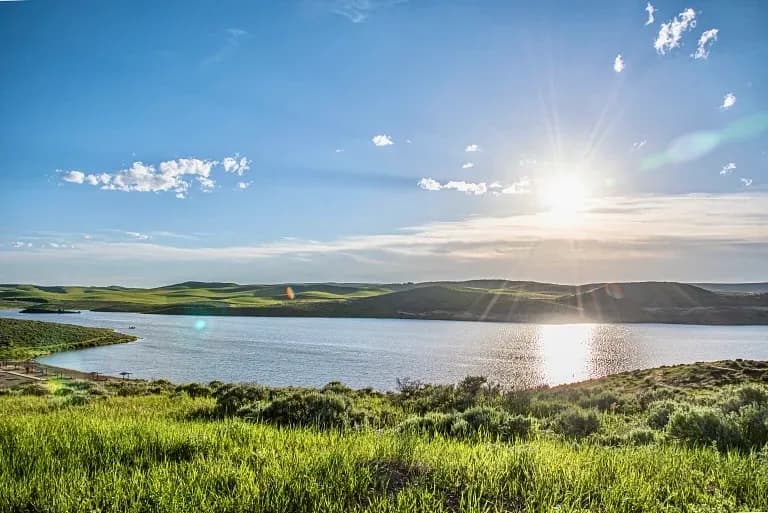
The stakes are highest at Elkhead Reservoir. This isn’t just about keeping the Yampa River flowing for scenic beauty. It’s about stretching limited supplies across a region where agriculture dominates water use and municipalities are fighting for every drop. The current snowpack is tracking at record lows. Sam Calahan, a water resources specialist with the Colorado River District, didn’t mince words. He said this year’s snowpack is substantially worse than 2002 and 2012. Those are the benchmark drought years for the Rocky Mountain West. If current conditions hold, this year could fall below even those historic lows.
Let’s do the math on what that means for locals. In a normal year, gradual warming allows snow to melt slowly. This sustains river flows well into the summer. You get a long, steady release of water. This year, that prolonged runoff is not materializing. Warm, dry conditions have accelerated snowmelt. The result is an early, short-lived runoff. The water arrives quickly and leaves just as fast.
This changes everything for reservoir managers. They aren’t just storing water; they are balancing how much to keep versus how much to release to meet downstream demand. Calahan noted that water releases this year will likely increase earlier than usual. Why? Because river conditions are tightening. When rivers come under a “call,” senior water rights holders get their full allocation first. Junior users get cut. And in a year like this, Calahan said the river will be under administration for a much longer period than normal.
The bigger users in this system are agricultural irrigators. Municipal diversions are smaller by comparison, but they are critical for folks living in the towns along the Yampa. If the reservoir releases water to fulfill contractual obligations, there is less left in the tank for later in the season. That uncertainty leaves managers making hard decisions about who gets water and when.
Calahan pointed out that while late spring storms or summer monsoons could provide some relief, officials do not expect conditions to return anywhere near an average water year. We are not looking at a temporary blip. We are looking at a structural shift in how water is managed. The likelihood of an early fade means that even if you have a senior water right, you might not get your full allocation if the river is under call for months instead of weeks.
The bottom line is simple. The water is already gone, or it’s melting faster than we can store it. For the agricultural community, this means irrigation seasons might start earlier and end sooner. For municipalities, it means tighter restrictions on usage and higher costs to secure alternative supplies. The “dire” situation Calahan warned about isn’t a future possibility. It’s the current operating procedure. If you’re relying on the Yampa for your livelihood or your home, you need to know that the buffer is gone. The system is running on fumes, and it’s going to be a long, dry summer.
Keep up with Steamboat Springs
The day's Western Slope news, one email each morning. Free.