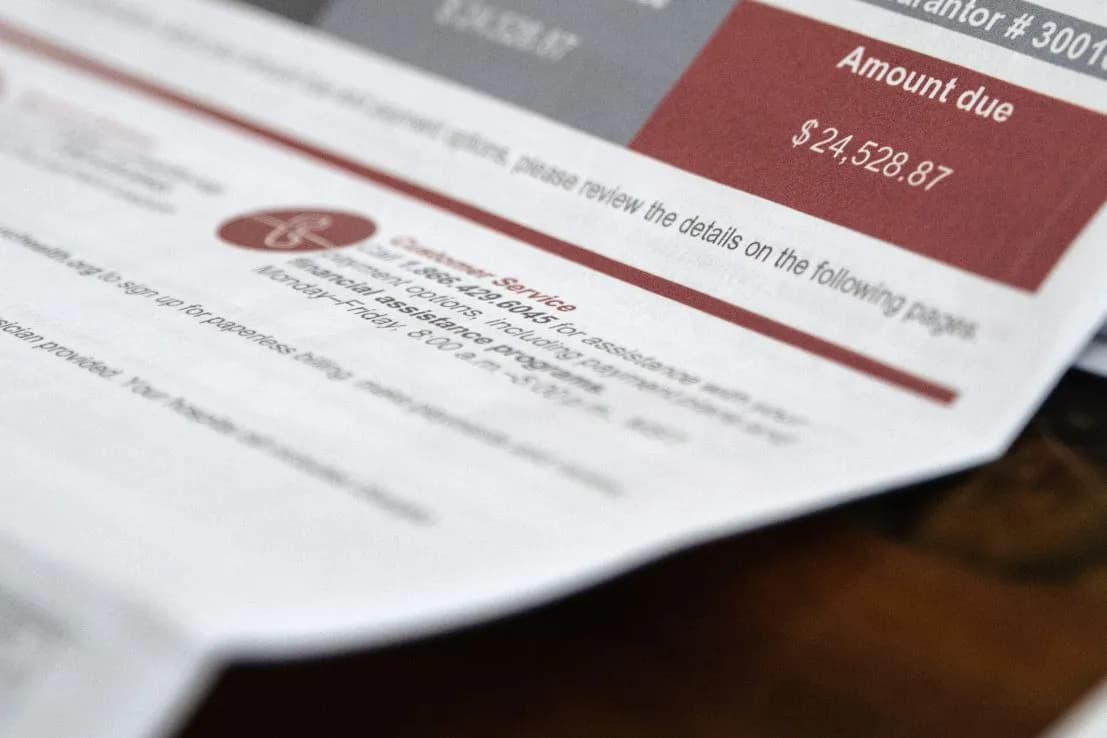
Republicans blame tax crisis, not Democrats, poll shows
A new Colorado Polling Institute survey reveals Republicans are more likely than Democrats to describe the state's finances as being in crisis, driven by national narratives on government waste.
Colorado —Who is telling you your tax dollars are vanishing?
It’s not the Democrats. It’s Republicans.
That is the headline from a new poll that flips the script on Colorado’s political narrative. The public coffers aren’t just "tight." According to the Colorado Polling Institute, a growing number of voters believe the finances are in a "crisis." But the party driving that panic isn’t the one usually blamed for overspending on social services.
The data comes from a March survey of 613 likely voters. The firms behind it? New Bridge Strategy, a Republican group, and Aspect Strategic, a Democratic firm. They polled on behalf of the nonprofit Colorado Polling Institute. The results landed at The Colorado Sun’s annual conference, SunFest 2026, at the University of Denver.
Here is the twist: Republicans are far more likely to describe the ledger as "in crisis" than Democrats.
For years, Democratic leaders have argued the state doesn’t have enough money to fund healthcare and education. They point to the books. They cite the deficits. Yet, their base doesn’t share that urgency. The GOP base does.
Why?
Lori Weigel, director of New Bridge Strategy, says national politics are bleeding into local perception. She suspects voters are muddling everything together. Federal headlines about Elon Musk and the Trump administration’s campaign to cut spending and eliminate waste have primed Republicans to question government spending at every level.
"It’s not just Denver," Weigel told the panel. "It’s everywhere."
The result is a "big black box" in the voter’s mind. Efficiency is gone. Waste is everywhere. It doesn’t matter if the cut comes from the federal government or the state capitol. The sentiment is the same.
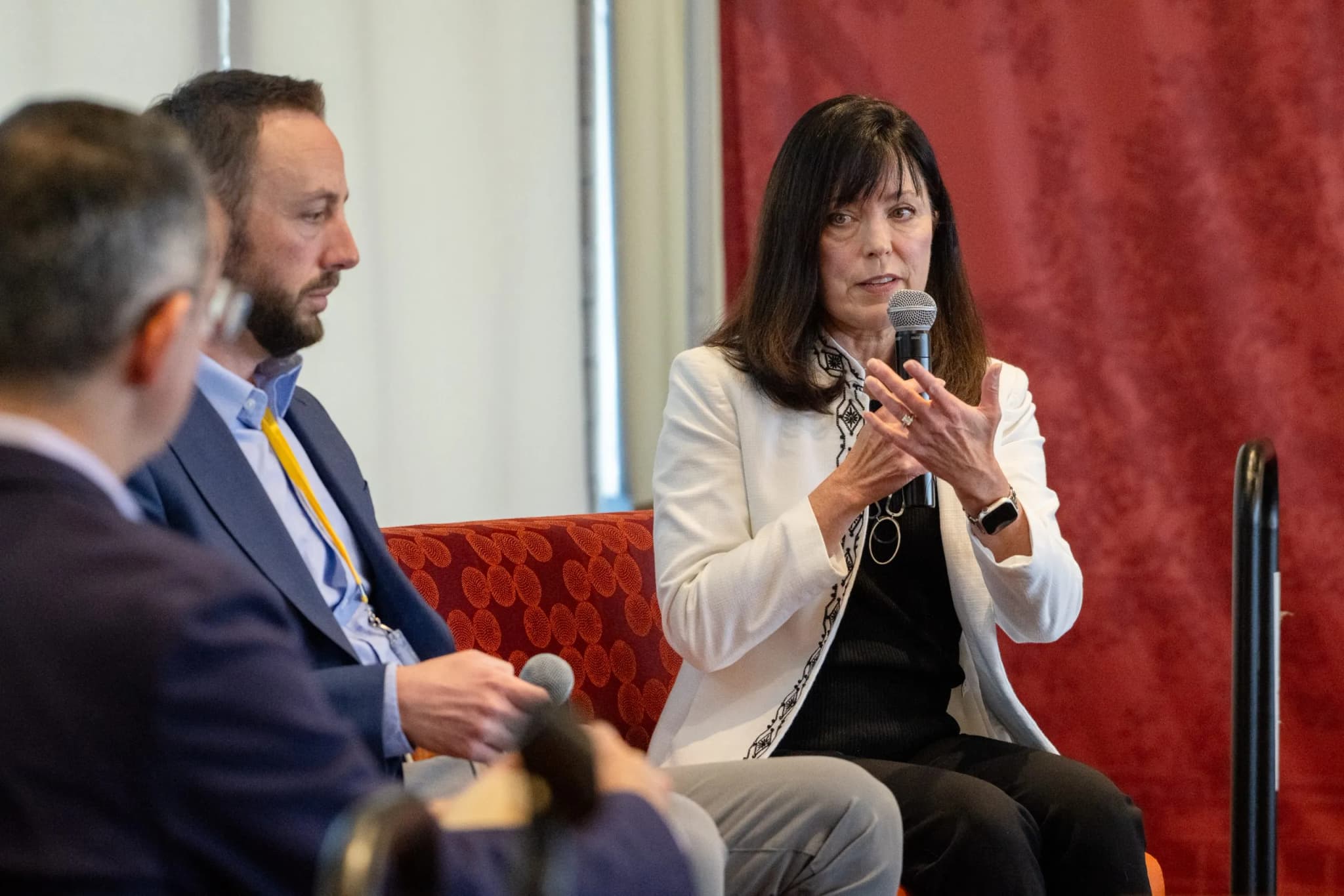
Kevin Ingham, founder of Aspect Strategic, confirmed the trend during the panel discussion. He sat next to Weigel and political science professor Seth Masket. Jesse Paul, The Colorado Sun’s elections editor, co-moderated the session. The data was fresh. The implications are immediate.
This matters for Western Slope voters. You don’t live in Denver. You don’t live in the front range. But your property taxes? Your road maintenance? Your local school funding? They are all tied to the state’s fiscal health. If the perception is that the treasury is hemorrhaging money, the pressure to cut services increases. Or to raise taxes to plug the hole.
The poll suggests the pressure is coming from the wrong direction. Democrats want more money for services. Republicans want less money spent, period. The disconnect is widening.
Weigel’s point about the "black box" is critical. Voters aren’t looking at line items. They aren’t reading the budget bill. They are reacting to a narrative. A narrative built in Washington. A narrative pushed by national figures who have become household names.
Musk. Trump. The message is simple: Government is inefficient. Government is wasteful. Government is the problem.
That message travels fast. It travels down to the county level. It travels to the local school board. It travels to the state legislature.
The short version: The budget crisis is real. But the political motivation behind calling it a crisis is shifting. It’s no longer just about funding schools. It’s about defunding government itself.
Ingham and Weigel didn’t just read numbers. They analyzed the psychology of the voter. The voter is confused. The voter is anxious. The voter is looking for a place to blame.
And right now, that place is the public purse.
The question for locals isn’t just "is the fiscal situation in crisis?" The question is "who benefits from us believing it is?"
If Republicans drive the narrative, they control the solution. And the solution is usually cuts. Not just to waste. To services.
The poll was conducted in March. The conference was in May. The sentiment is solidifying.
Watch for the next legislative session. Watch for the financial debates. Watch who gets blamed when the money runs out.
It won’t be the Democrats. It will be the system itself. And the voters will pay the price.
Keep up with Colorado
The day's Western Slope news, one email each morning. Free.

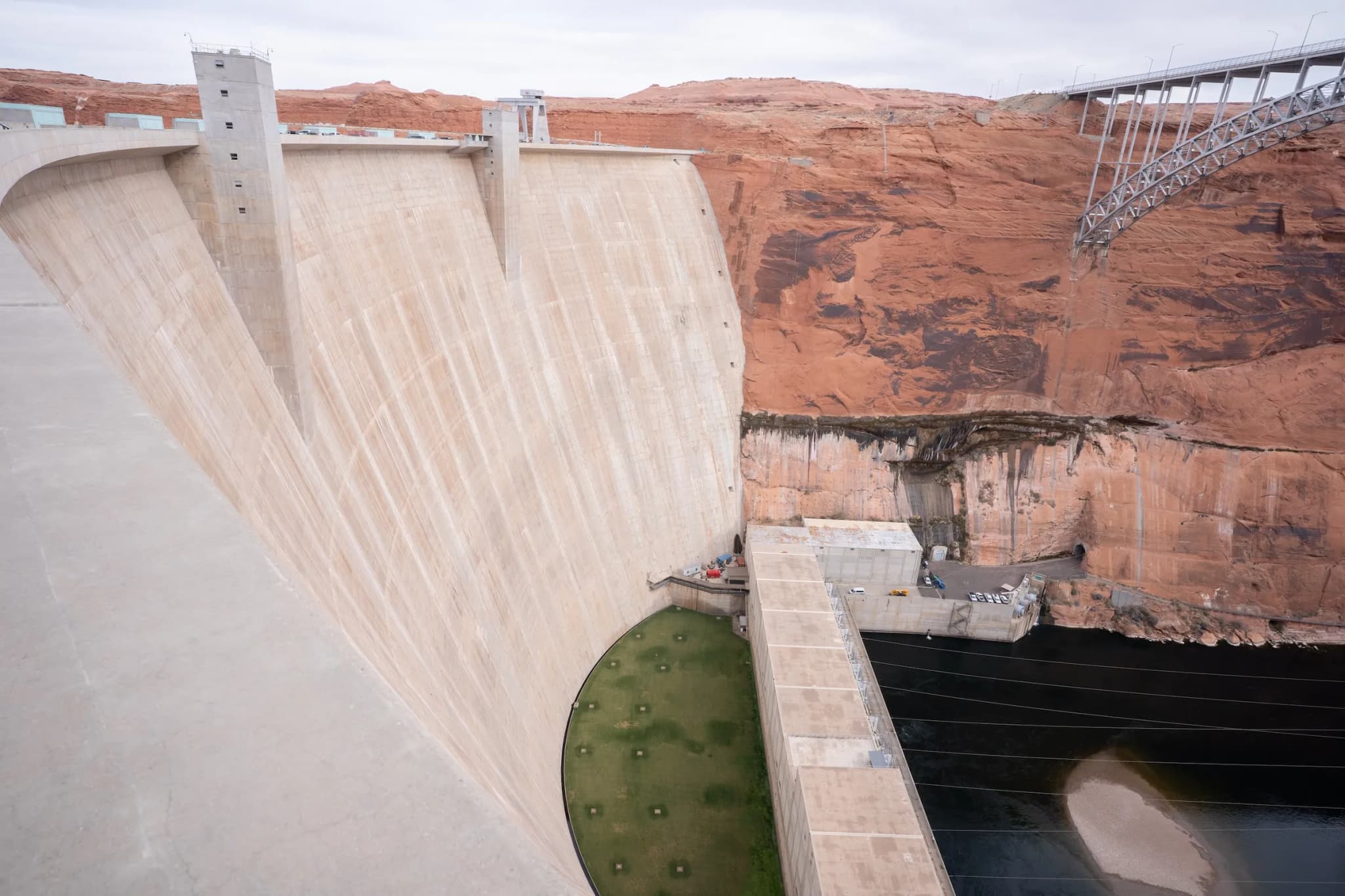
Federal Report Sets 200,000 Acre-Foot Water Conservation Target for Upper Basin

Colorado Parks and Wildlife Deploys Precision Drones for Weed Control