Buffalo Pass Farm Revolutionizes Local Food Production
Buffalo Pass Farm is pioneering a new approach to food production in the Steamboat Springs area, focusing on sustainability and community involvement.
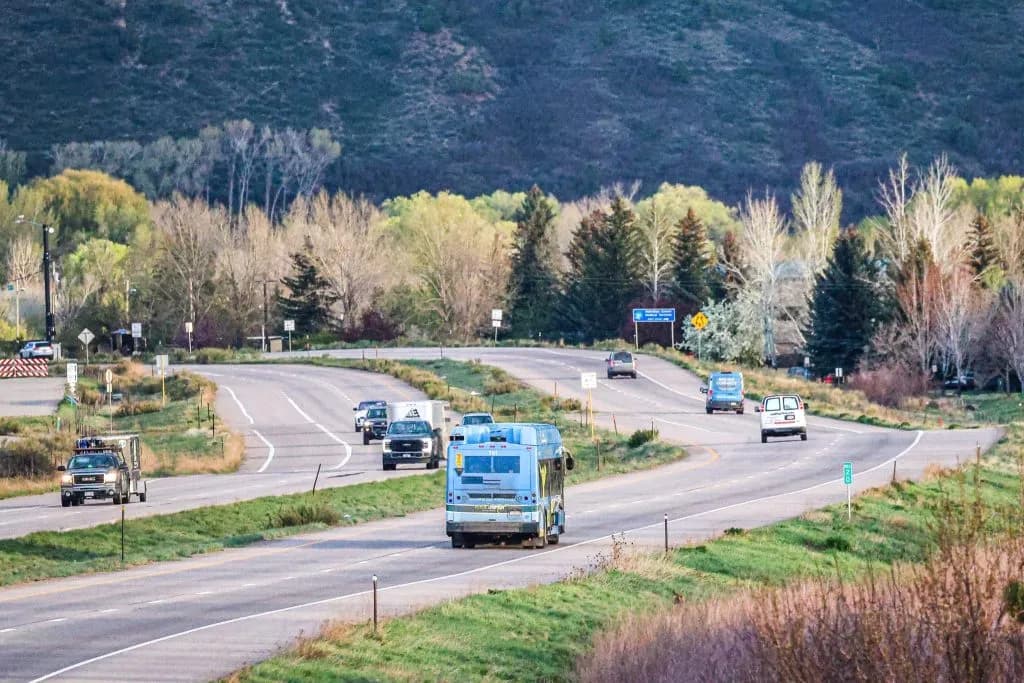
Steamboat Springs —Snow-capped peaks still linger in the distance as you drive down County Road 36, the winding road that leads to Buffalo Pass. The air is crisp, with a hint of moisture from the recent spring showers. As you approach the base of the pass, a small farm comes into view — Buffalo Pass Farm, the brainchild of entrepreneur Tim Rowse.
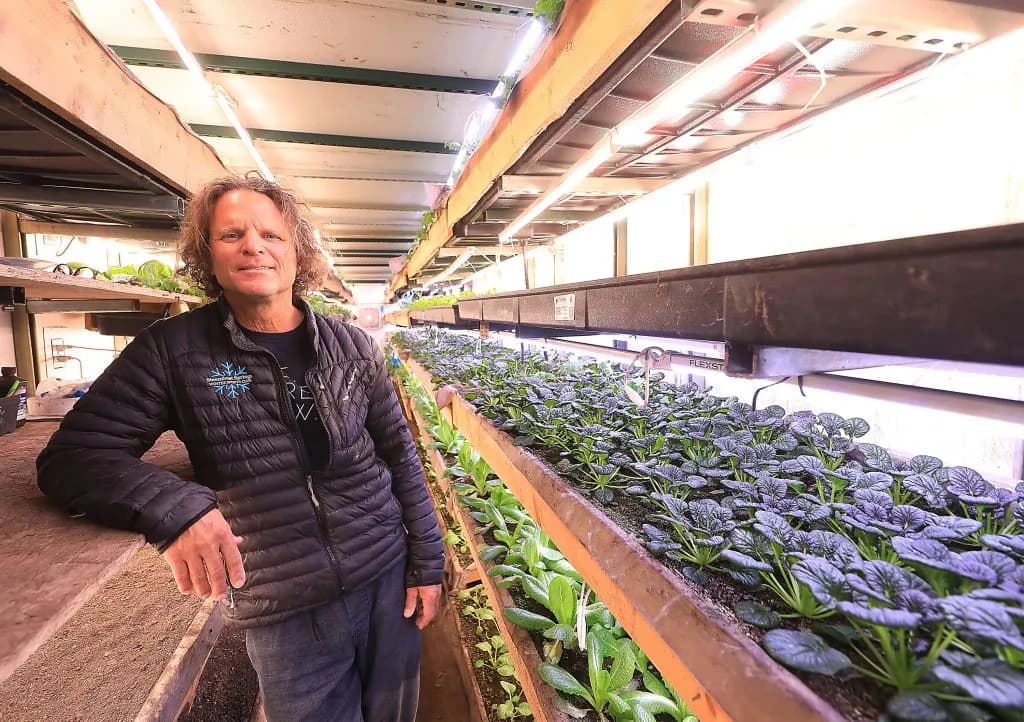
Rowse's vision for a cost-effective, small-scale farm took shape in 2020 when he converted a freight trailer into an indoor growing container on his property. He didn't stop there — he built a second container, and the farm now boasts 800 feet of growing space. This is where the story of revolutionizing the way we produce and distribute food begins.
The farm's setup is straightforward: two 48′ x 8′ grow containers, two traditional polyethylene greenhouses, and several outdoor areas. What's notable, however, is the attention to detail and commitment to regenerative practices. Rowse and his co-owner, Brittany McGuire, have implemented a compost system, use cover crops, and apply compost tea to create a nutrient-rich soil that's free of chemicals and GMOs.
McGuire, who handles the day-to-day operations, emphasizes the benefits of the indoor containers. "I love the containers because it allows us to grow a lot of food year-round," she says. "The amount of food that we kick out of here is pretty impressive, and the quality is also very impressive." The farm's produce list is extensive, tomatoes, cucumbers, peppers, peas, beans, onions, celery, zucchini, beets, radishes, turnips, arugula, tatsoi, bok choi, radicchio, herbs, and lamb shakes.
The numbers are telling: in 2025, Buffalo Pass Farm served 90 shares to customers, and this summer, that number expanded to 120. Rowse notes that fall is the second busiest season, with a more limited number of shares available in the winter and spring due to weather constraints. The farm's model is designed to be efficient and sustainable, with a focus on providing fresh, locally sourced produce to the community.
Make no mistake, this is a deliberate approach to farming; one that prioritizes soil health, efficient use of resources, and a commitment to producing high-quality, chemical-free produce. As Rowse puts it, he set out to build a system that would allow an owner-operator to make a decent living growing food for the local community. The short version: he's done just that.
The implications of Buffalo Pass Farm's approach are worth watching. In an area where the growing season is short and unpredictable, the farm's ability to produce a wide range of crops year-round is a significant advantage. Moreover, the emphasis on regenerative practices and soil health has the potential to create a more resilient and sustainable food supply.
As you drive away from the farm, the scenery shifts back to the rugged landscape of the Rocky Mountains. The question on your mind might be - how will this impact the future of food production in our area? The answer, much like the farm's produce, is still growing.
In Strawberry Park, just outside of Steamboat Springs, the farm is a tangible example of what can be achieved with determination and a commitment to sustainable practices. The farm's success is not just about the food it produces; it's about creating a model that can be replicated and improved upon. As the community continues to grow and evolve, the importance of supporting local farmers will only continue to increase.
Read that again: 120 shares served this summer. That's a significant number, especially considering the farm's focus on quality over quantity. The real test, however, will be in the farm's ability to maintain this level of production while continuing to prioritize regenerative practices and soil health.
For now, the farm remains an innovative force in the community, driven by its commitment to sustainability and community involvement. Its approach is a welcome change in an industry often dominated by large-scale, industrial farming operations. As the seasons change and the farm continues to grow, it will be interesting to see how this model evolves and what lessons can be applied to other areas of the community.
The farm's story is one of experimentation and perseverance. Rowse's background as a chronic entrepreneur is evident in the farm's design and operations. The use of indoor containers, compost systems, and regenerative practices demonstrates the farm's willingness to challenge conventional farming methods, and this willingness has been crucial to its success.
In the end, it's not just about the food. it's about creating a more sustainable and resilient community. Buffalo Pass Farm is making a significant contribution to this effort, and its success will be a factor in shaping the future of food production in the area.
The sun is setting over the Rockies as you leave the farm behind. The sky is painted with hues of orange and pink, a stark contrast to the rugged landscape below. The story of Buffalo Pass Farm is one of hope and innovation, a reminder that even in the most unlikely of places, change can happen.
Keep up with Steamboat Springs
The day's Western Slope news, one email each morning. Free.