Ridgway Sues MTN Lodge Over Four Seasons Worker Housing Zoning
Ridgway sues MTN Lodge owners, arguing converting the hotel to long-term worker housing for the Four Seasons Resort violates commercial zoning codes, threatening housing for construction crews.
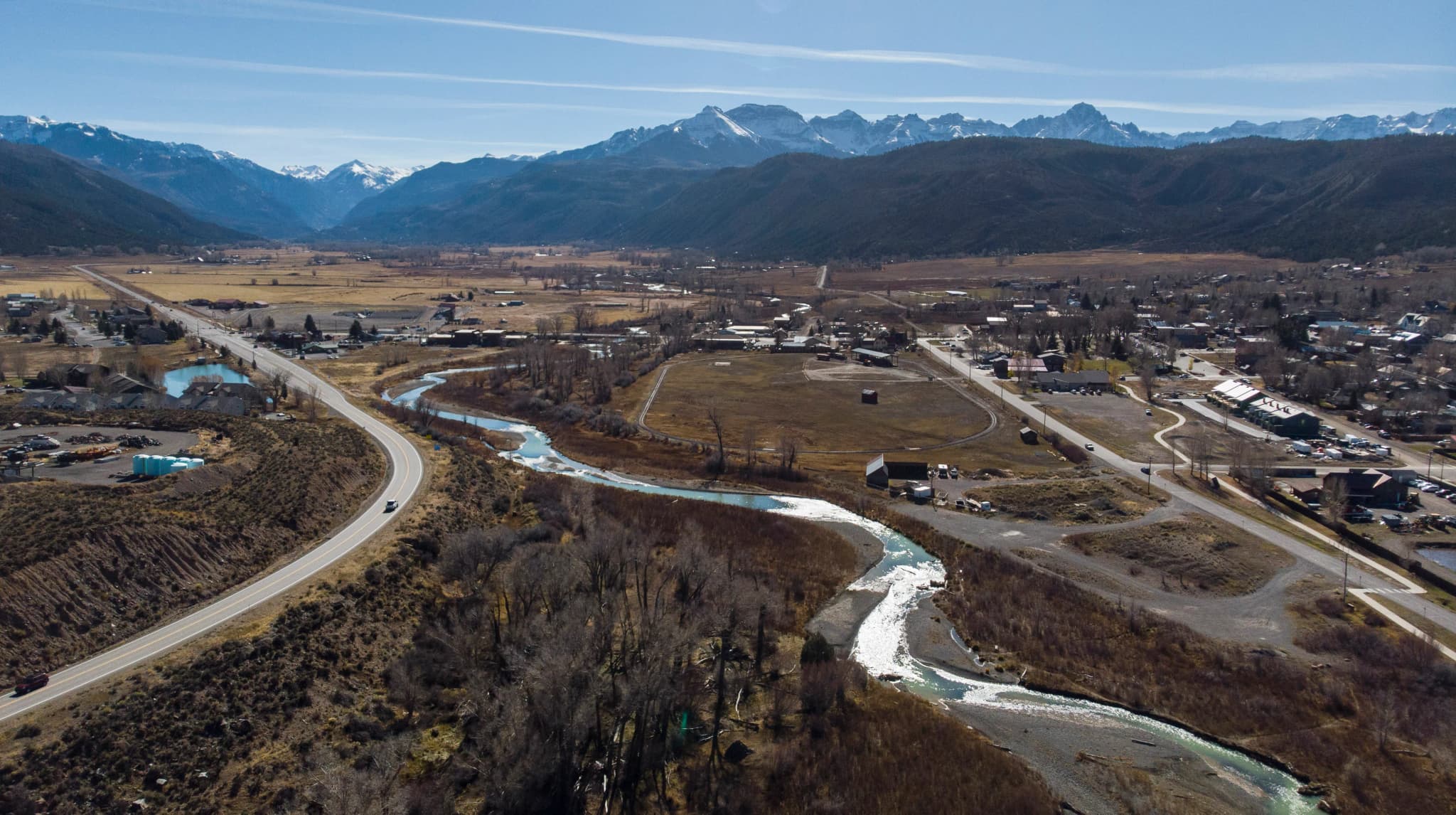
Telluride —The Uncompahgre River cuts through Ridgway, cold and indifferent to the political squabbles happening on its banks. Inside the MTN Lodge, a building that has stood as a fixture for locals for years, the lights are flickering out. Not because of a power outage, but because the lease holding fifty-two rooms together is about to unravel.
Here’s the thing though: this isn’t just a dispute over zoning codes or tax brackets. It’s a collision between the booming luxury real estate market of Mountain Village and the gritty reality of finding a place to sleep for the people building it.
Ridgway is suing the owners of the MTN Lodge, arguing that converting the hotel into long-term worker housing for the upcoming Four Seasons Resort is illegal because the building sits in a "general commercial" zone. The town says commercial zones don’t allow for "household living." The owners say the alternative is closing up shop and leaving the construction crews with nowhere to go.
The lawsuit, filed March 27 in Ouray County District Court, exposes the awkward middle ground of Western Slope development. We see it everywhere: hotels get converted to long-term housing because short-term rentals are snapped up by vacationers. But when a single entity tries to lease an entire hotel for a specific, high-end project, the rules get fuzzy.
Ben Jackson, the owner of MTN Lodge, says he’s been trying to make it work. He’s been trying to collaborate.
“We have been trying for months to come up with collaborative ideas that would allow extended stays and avoid a lawsuit,” Jackson said in an email. “We’ve been rejected at every turn.”
If the court blocks the extended stays, the MTN Lodge closes. And if it closes, the developer of the Four Seasons Resort — which broke ground last fall — loses a critical piece of its infrastructure. The lodge was supposed to house the construction crews for the $1 billion project.
Picture this: a construction worker finishing a shift on the mountain. He drives down to Ridgway. He expects a room. Instead, he finds a "For Lease" sign because the town says his stay is technically illegal.
The town’s argument hinges on money and zoning. Ridgway voters increased the lodging tax from 3.5% to 6% in 2023. That tax money is supposed to go toward housing, child care, and marketing. In 2024, the town collected $242,101 from its three hotels. Of that, $109,916 went directly to the affordable housing fund.
But Jackson argues the town isn’t playing fair. He points out that the lodge’s lease with Merrimac Ventures, the developer, runs through 2031. And under the town’s own regulations, stays longer than 30 days might be exempt from lodging taxes. Jackson says the lodge has refused to pay the tax on those extended stays, arguing they don’t apply.
“Despite the vast sums of profit MTN Lodge seeks to gain from its multi-year agreement with Merrimac Ventures, MTN Lodge has expressed in writing that it refuses to pay any sales or lodging tax,” the lawsuit reads.
Jackson wants the town to drop the lawsuit. He wants to promote events to boost the tourism economy. He wants the budget to focus on the community. But first, they need to let him house his workers.
The MTN Lodge occupancy peaks at 73% in the summer. In the winter, it drops to single digits. The average annual occupancy is 53%. Without that steady stream of extended-stay guests, the building becomes a white elephant. And that matters because when the MTN Lodge closes, the housing crunch for the Four Seasons construction crew gets worse.
Ridgway has three hotels delivering that 6% tax. They collected more than they budgeted for in 2024. They’re sitting on a surplus of sorts. But they’re also sitting on a legal battle that could set a precedent for how resort towns handle the influx of wealth and workers.
The Uncompahgre River keeps flowing. The four seasons keep changing. But for now, the MTN Lodge is holding its breath, waiting to see if commercial zoning allows for a human being to live in it for more than a month.
Keep up with Telluride
The day's Western Slope news, one email each morning. Free.


Fort Collins Transforms Willow Street Into Giant Puppet Parade

Denver, Colorado Springs, and Greeley Host Juneteenth Festivals