Rifle Tanker Crash Disrupts Canyon Spirit and Amtrak Service
A tanker truck collision with the Canyon Spirit passenger train in Rifle disrupted Amtrak service and highlighted risks of oil transport on Union Pacific tracks.
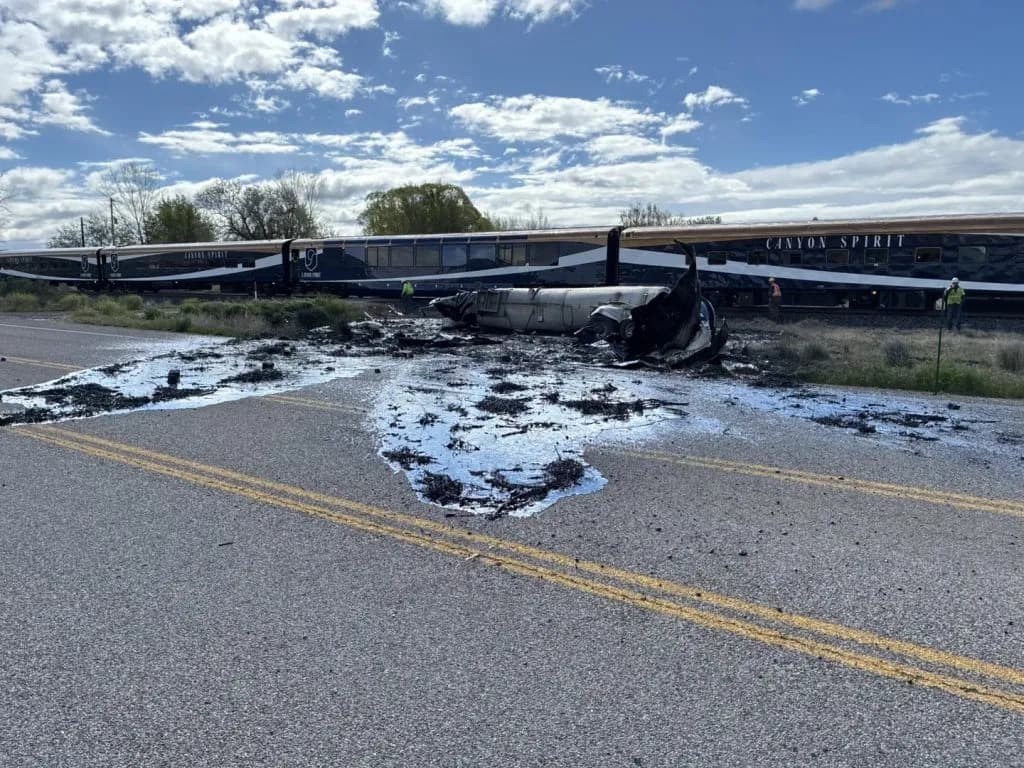
Rifle —The air in Rifle still tasted of diesel and damp earth on Wednesday morning, a heavy, metallic tang that clung to the back of your throat as you watched the emergency lights flash against the gray sky. It wasn’t just the smell of spilled fuel; it was the scent of infrastructure under stress, the distinct odor of a system working harder than it was designed to, or perhaps, working faster than it should. A tanker truck had collided with the Canyon Spirit passenger train, bringing travel to a halt and sending a ripple of disruption through the region’s transit network, but more importantly, it cast a harsh spotlight on the very real dangers of transporting fossil fuels along the Union Pacific tracks that hug the Colorado River.
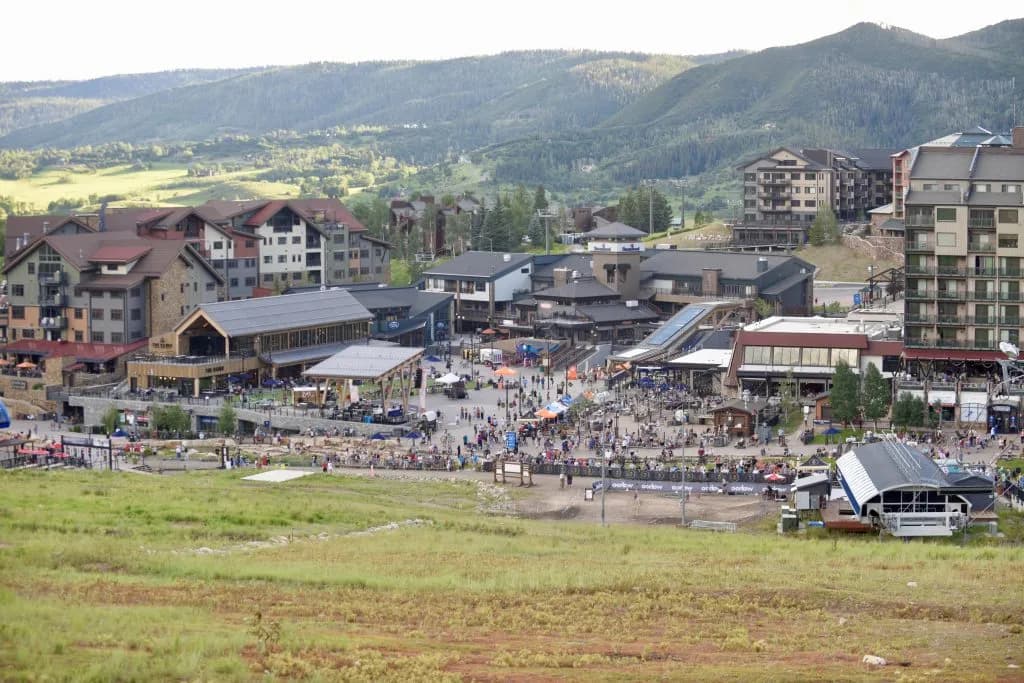
If you’ve ever driven Highway 6 through the valley, you know the rhythm of those trains. They are a constant presence, a low rumble that vibrates through the floorboards of your car, carrying Utah crude in heated tanker cars on their way to Gulf Coast refineries. Now, imagine one of those massive, steel-wrapped tanks rupturing at a crossing, spilling its contents onto the pavement where your kids might be playing or your neighbors might be commuting. That is the risk that Eagle County officials have been fighting for years, spending more than $1 million suing to stop an increase in oil-train traffic through the remote canyons before the trains head down to Denver via the Moffat Tunnel at Winter Park Resort.
The collision involved the Canyon Spirit, the high-end Armstrong Collection train that has become a success story for rail advocates pushing for increased passenger service between Denver and Salt Lake City. Dallas Carlson, an Armstrong spokesperson, confirmed that the incident caused the train to stop, though thankfully, no injuries were reported among the guests or employees. "All of our guests and employees have now detrained and are traveling via motorcoach to Moab, Utah," Carlson noted, describing a scene of orderly chaos as emergency services took charge. The train, originally bound for Moab, was forced to pause, its luxurious promise of a scenic journey interrupted by the gritty reality of a truck crash.
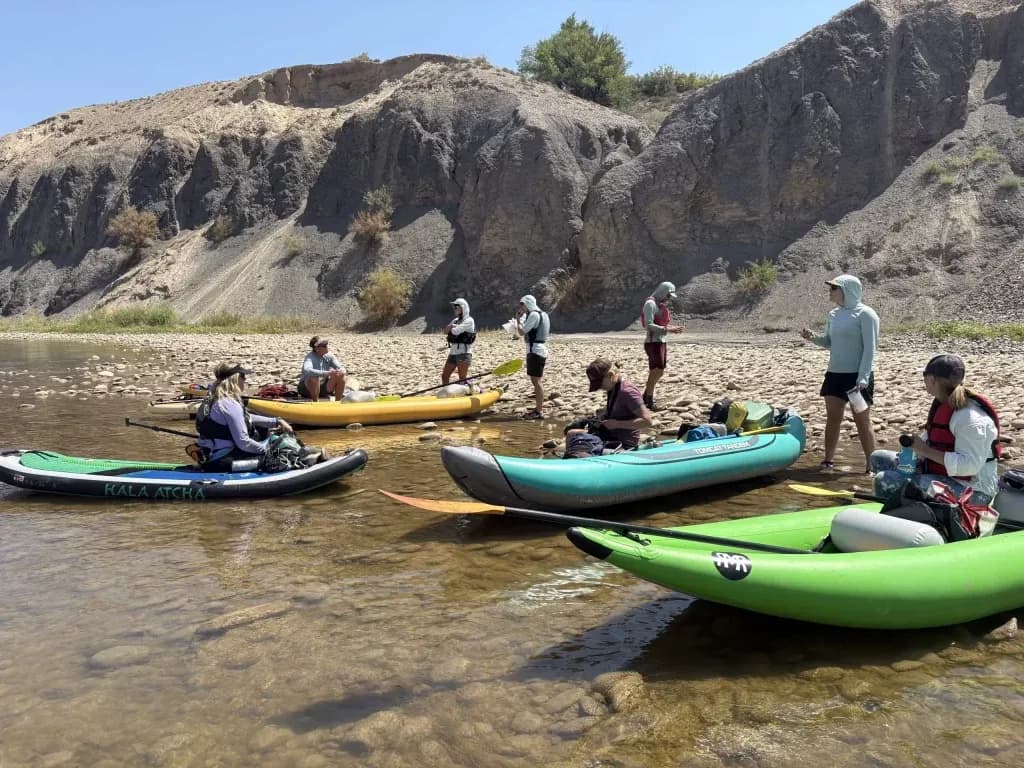
But the disruption didn’t stop at the Canyon Spirit. Amtrak’s California Zephyr, the other major rail artery through the region, saw its service disrupted by a temporary track closure. Marc Magliari of Amtrak reported that passengers were being bused between Grand Junction and Denver, a logistical headache that underscores how fragile these single-track lines can be. While the Armstrong trains and Amtrak’s daily service don’t always stop in Eagle County, they are a common sight for boaters on the Upper Colorado River, gliding past the water in their steel carriages, unaware of the oil trains that often trail behind them.
What matters to locals isn’t just the delay; it’s the cumulative weight of increased traffic. The two- and three-car oil trains are a frequent sight, and as rail advocates continue to push for more passenger service, the line is becoming a busy highway on rails. Eagle County’s lawsuit wasn’t just about noise or views; it was about the potential for catastrophic spills and wildfires in a region already prone to both. The collision in Rifle serves as a tangible reminder that the line is shared, and the stakes are high.
As the cleanup crews worked to clear the tracks and the motorcoaches ferried stranded passengers to Moab, the sun began to break through the clouds, illuminating the wet asphalt and the scattered debris. The smell of diesel lingered, a sharp, persistent note in the cool mountain air, reminding anyone who stopped to watch that beneath the romance of rail travel lies the heavy, industrial truth of moving energy, one tank at a time.
Keep up with Rifle
The day's Western Slope news, one email each morning. Free.