Routt County and Craig Chamber Weigh In on Initiative 175
Routt County and the Craig Chamber of Commerce urge voters to consider the trade-off between fixing roads and maintaining critical services like Medicaid and K-12 education under Initiative 175.
Aspen —"Colorado would be better served by a plan that strengthens Colorado’s transportation system without undermining critical services that support children, families and seniors across the state."
That’s the warning etched into an April 14 letter signed by Routt County, the Craig Chamber of Commerce, and a coalition of western Colorado counties. They aren’t just talking about potholes. They’re talking about the budgetary tightrope that keeps the lights on in hospitals and classrooms across the Western Slope.
The conflict centers on Initiative 175, a ballot proposal spearheaded by the Colorado Contractors Association. It’s a simple idea on paper: force the legislature to stop raiding the state’s dedicated road fund and actually spend that money on roads and bridges. Right now, that money sits there, sometimes getting diverted to plug budget holes elsewhere. Initiative 175 changes that. It demands that roughly $700 million annually in state funds go directly to infrastructure.
Here’s the catch. Nearly $540 million of that $700 million would come from the state’s general fund. And the general fund is the same piggy bank that pays for Medicaid and K-12 education.
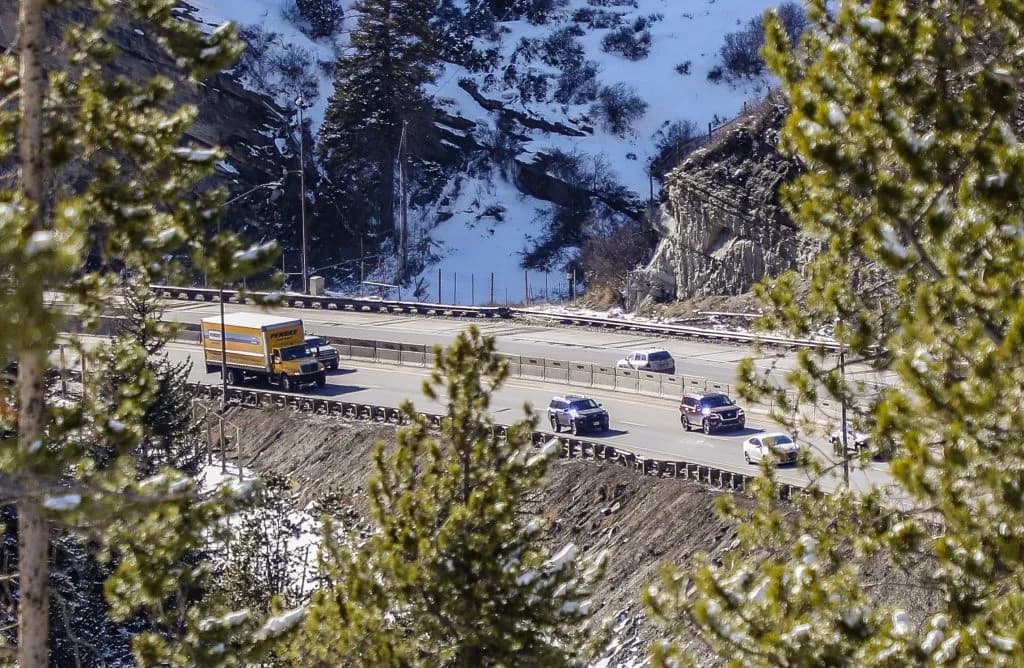
Picture this: you’re driving down Highway 6, watching the construction crews patch the same stretch of asphalt for the third time this decade. You want those roads fixed. But if Initiative 175 passes, the state has to pull that cash from the general fund. That means less money for the services that don’t have a dedicated revenue stream.
The Legislative Council Staff analyzed the numbers. They say the initiative would force the legislature to appropriate that $700 million. Most of it — $540 million to be precise — comes out of the general fund. That’s not pocket change. That’s a significant chunk of the money that keeps rural health centers open and buses running in Delta and Montrose counties.
Support isn’t uniform. Club 20, a coalition of nearly two dozen Western Slope counties, threw its weight behind the initiative. In a statement, they called it a "responsible, voter-led effort to ensure sustainable funding for Colorado’s transportation network." They’re pointing to the rural reality. If your economy depends on getting goods to market or tourists to your ski resort, bad roads are a death sentence for vitality. For them, the trade-off is worth it.
But the opposition is loud and organized. Roughly three dozen groups, including the Craig Chamber of Commerce, signed on to the letter urging proponents to abandon the effort. They argue that forcing the state to prioritize asphalt over people creates a zero-sum game. You can’t have both full road funding and full healthcare services if the pot of gold is fixed.
To try to break the deadlock, Democrats introduced House Bill 1430. It’s a clever political maneuver designed to undercut the initiative’s pain. If Initiative 175 passes, this bill would slash the taxes and fees used to generate road funding, like gas excise taxes and vehicle registration fees. By lowering the revenue coming in, they free up more room in the general fund under the state’s revenue cap, known as TABOR (Taxpayer’s Bill of Rights).
It’s a hedge. They’re saying, "If we have to spend more on roads, we’ll make sure we don’t have to cut as deep into the rest of the budget." The bill only goes into effect if the ballot initiative passes. It’s a conditional fix for a conditional problem.
The initiative is still gathering signatures. It hasn’t made the November ballot yet, but the clock is ticking. The legislative session ends May 13, and lawmakers are in the final days of debating how to handle the fallout.
For folks in the valley, the question isn’t just about infrastructure. It’s about what you’re willing to give up. Do you want smoother commutes on the way to the hospital, even if it means tighter budgets for schools? Or do you keep the current system, where road funding is uncertain but healthcare and education remain the priority?
The gold dome in Denver is watching. The contractors are lobbying. And the voters are deciding whether to lock in the spending or let the legislature keep juggling the balls.
Keep up with Aspen
The day's Western Slope news, one email each morning. Free.

S&P 500 Slips Modestly as Weak Retail Sales and Oil Prices Drive Market Correction

Aspen Essay Connects Generations Through Highway 82 Landmarks