Sen. Lindstedt Kills Transparency Bill Hiding Colorado Opportunity Caucus Donors
Sen. William Lindstedt voted against Senate Bill 168, keeping the Colorado Opportunity Caucus's donor list hidden and leaving the $100,000 Vail retreat funding opaque.
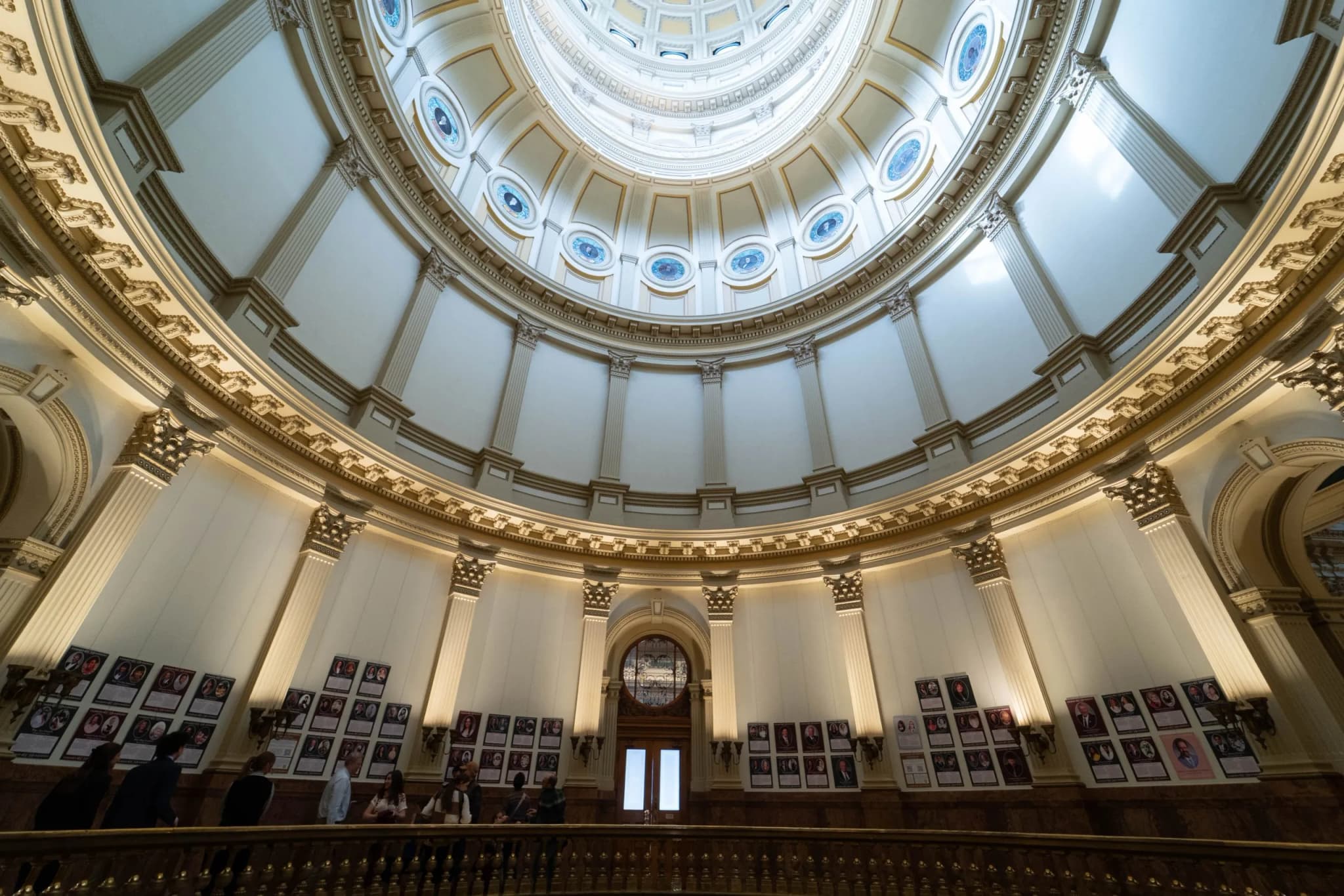
Aspen —Sen. William Lindstedt didn’t just vote no. He explained why.
The Broomfield Democrat stood in the Senate State, Veterans, and Military Affairs Committee and told his colleagues that forcing legislative caucuses to disclose their donors was "kind of constitutionally dubious."
It’s a polite way of saying the law might not hold up in court. It’s also a convenient shield for the Colorado Opportunity Caucus, the group of moderate Democrats that sparked this entire mess. They’re currently under fire for a $100,000 retreat at a Vail hotel, paid for by donors who remain largely hidden from the public eye.
Lindstedt voted against Senate Bill 168 on Tuesday. He joined two Republicans in killing the measure 3-2. The bill, sponsored by Sen. Mike Weissman and Rep. Yara Zokaie, was designed to close a transparency loophole. It would have required all legislative caucuses to file regular public reports detailing who was funding their fundraising and spending.
The result? We still don’t know exactly who paid for that Vail getaway.
The impetus for the bill was the October retreat hosted by the Colorado Opportunity Caucus. At least one of their funders is a nonprofit that has tried to defeat liberal Democrats in primaries. Yet the caucus doesn’t disclose all of its donors. Colorado Common Cause filed ethics complaints against the lawmakers, arguing that 16 members violated the state’s gift ban by attending.
Lindstedt argued that the current system is broken, but this bill was the wrong fix. He preferred Weissman’s original bill, Senate Bill 108, which targeted broader "groups" rather than just caucuses. Weissman rewrote it to avoid applying to nonprofits unrelated to legislative work, but Lindstedt said the broadness was an "inherent strength."
“I’d like to see a proper entity created in the Secretary of State statute with reporting requirements, TRACER... all the things that go into candidate committees,” Lindstedt said.
In other words, treat political caucuses like political committees. Put them in the same box. Make them report the same way.
Republicans had a different concern. They said the reporting requirements might discourage minority lawmakers from joining caucuses. When there’s a real chance your name ends up in public, some people just don’t want to be part of the group. It’s a valid point. Transparency has a cost. And for some, that cost is visibility.
But here’s the disconnect. The Opportunity Caucus already operates with a degree of opacity. They don’t disclose all donors. They held a high-profile retreat. Now they’re being investigated. And the bill that would have forced them to open the books died in committee.
Weissman and Zokaie pushed for it. They wanted regular public reports. They wanted accountability. The committee killed it.
For context, the Independent Ethics Commission is still investigating whether the 16 members violated the gift ban. That investigation could take months. It might result in fines. It could lead to public shaming. Or it could result in nothing. We won’t know until the commission releases its findings.
Meanwhile, the donors stay hidden. The caucus stays opaque. And the taxpayers foot the bill for the legal and administrative overhead of keeping the lights on in a system that doesn’t fully disclose where the money comes from.
Lindstedt said the bill was constitutionally dubious. The Republicans said it would hurt minority participation. The result is the same: no new transparency rules for the Opportunity Caucus. No public ledger for the Vail retreat. Just more questions for the folks back home who are trying to figure out who’s buying their politicians’ time.
Keep up with Aspen
The day's Western Slope news, one email each morning. Free.

S&P 500 Slips Modestly as Weak Retail Sales and Oil Prices Drive Market Correction
Aspen Essay Connects Generations Through Highway 82 Landmarks