Senate Bill 155 Targets High Colorado Home Insurance Premiums
Sen. Kyle Mullica and other lawmakers propose Senate Bill 155, a 0.5% fee on insurers to fund hail-resistant roof grants, aiming to reduce the state's high average home insurance premiums of $3,412.
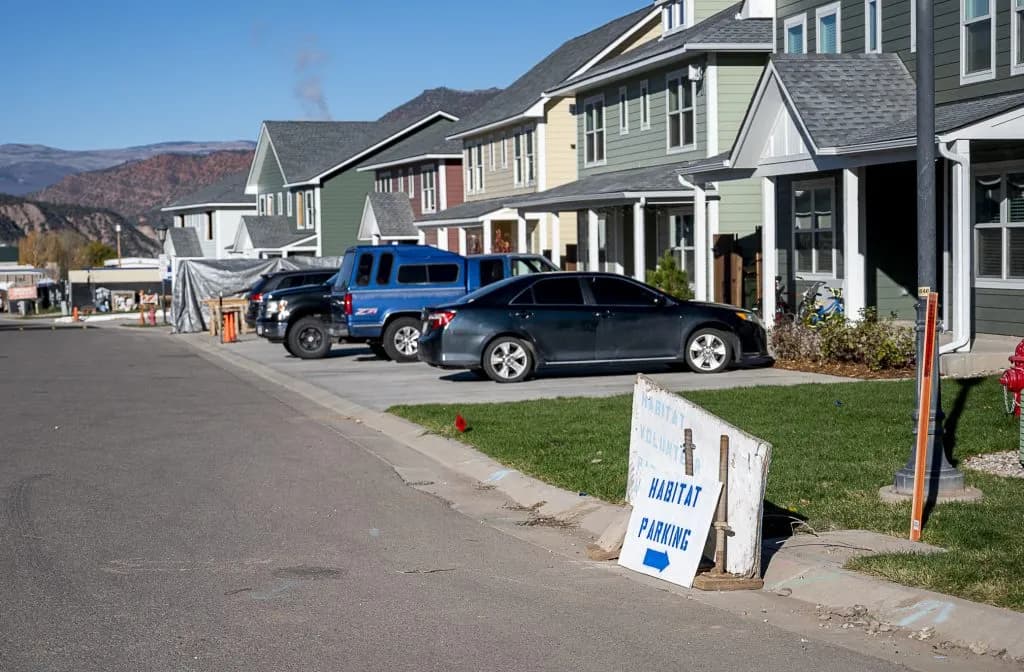
Glenwood Springs —A standard policy for a $300,000 home in Colorado runs $3,412 a year. That’s $1,000 more than the national average. For folks on the Western Slope, where hailstorms can shred shingles and dent siding in minutes, that premium isn’t just a line item. It’s a financial noose tightening every time the sky turns gray.
State lawmakers are trying to loosen that grip. They’ve revived a plan to hit insurance carriers with a fee to fund hail-resistant roofs, betting that cheaper insurance will finally become a reality for locals.
The proposal, Senate Bill 155, targets a 0.5% fee on all homeowner insurance plans. Proponents say this will generate up to $20 million annually. That money goes directly into grants for homeowners to install hail-resistant roofing. The logic is straightforward: better roofs mean lower risk, which means lower premiums.
It’s a simple equation. On paper.
The bill is led by Sen. Kyle Mullica, House Speaker Julie McCluskie, and Rep. Kyle Brown. They’re pushing this after a similar attempt died last year. Last year’s version was broader. It tackled hail and wildfires with a 1% fee. It failed in a Senate committee. Three Democrats and three Republicans killed it. Their argument? Imposing a fee on homeowners to help homeowners was counterintuitive.
Mullica was one of those Democrats. He’s back now with a tweak. This year’s bill includes explicit language barring insurers from passing that fee onto customers as a surcharge.
“What changed for me is that it’s not a surcharge,” Mullica said. “The people of Colorado are going to come out on top here.”
Let’s do the math. If the fee stays at the carrier level, you don’t see a new line item on your bill labeled “State Hail Tax.” You just see the premium drop. That’s the pitch. The $20 million in annual funding would help thousands of homeowners upgrade to Class 4 hail-resistant roofs. Insurers like those roofs. They reduce claims. Fewer claims mean insurers pay out less. They can afford to lower your rate.
The Rocky Mountain Insurance Association is already on board. Executive director Carole Walker says the group supports the effort, though they may seek amendments. That’s industry speak for “we’re listening, but we want to make sure we don’t lose money.”
But here’s the rub. Colorado homeowners are already paying $3,412 a year for a standard policy. That’s $284 a month. The national average is $2,424. We’re paying a premium for the privilege of living in a hail alley.
The last bill tried to fix two problems: hail and wildfire. This one focuses on hail. It’s a narrower target. It’s also a more expensive one. $20 million a year is a lot of money. It’s what the state spends on road maintenance in a few counties. It’s a significant chunk of change.
If the bill passes, carriers pay the fee. Homeowners get grants. Premiums fall. Simple.
But carriers aren’t stupid. They’ll watch the market. If the fee eats into their profits, they might tighten underwriting. They might raise rates elsewhere to compensate. Or they might just absorb the cost. We don’t know yet. The bill doesn’t guarantee premium drops. It only guarantees a funding stream for roofs.
For locals, the risk is clear. You pay the fee. You get a roof. Your insurance might drop. Or it might not. You’re betting $20 million a year on a theory.
The bill is led by Mullica, McCluskie, and Brown. They’re betting the people of Colorado will come out on top.
It’s a start. But $3,412 is a lot to pay for peace of mind. Until the premiums actually fall, that’s just a promise.
Keep up with Glenwood Springs
The day's Western Slope news, one email each morning. Free.



Twin Lakes Releases 2,500 Acre-Feet to Save Upper Arkansas River

Glenwood Springs Resident Calls for Active Citizenship Amid AI Data Center Water Threats