Ski Conservation Fund Channels Over $100K to White River Restoration
The National Forest Foundation’s Ski Conservation Fund is directing over $100,000 to the Rocky Mountain Youth Corps for White River National Forest trail and building restoration, leveraging voluntary donations from major Summit and Eagle County resorts.
Aspen —"Voluntarily donate $1 or more."
That’s the pitch. It’s the kind of small, frictionless ask that turns a ski lift ticket into a conservation dollar. But when you stack those dollars across six major resorts in Summit and Eagle counties, the pile grows fast enough to fund real work on the ground.
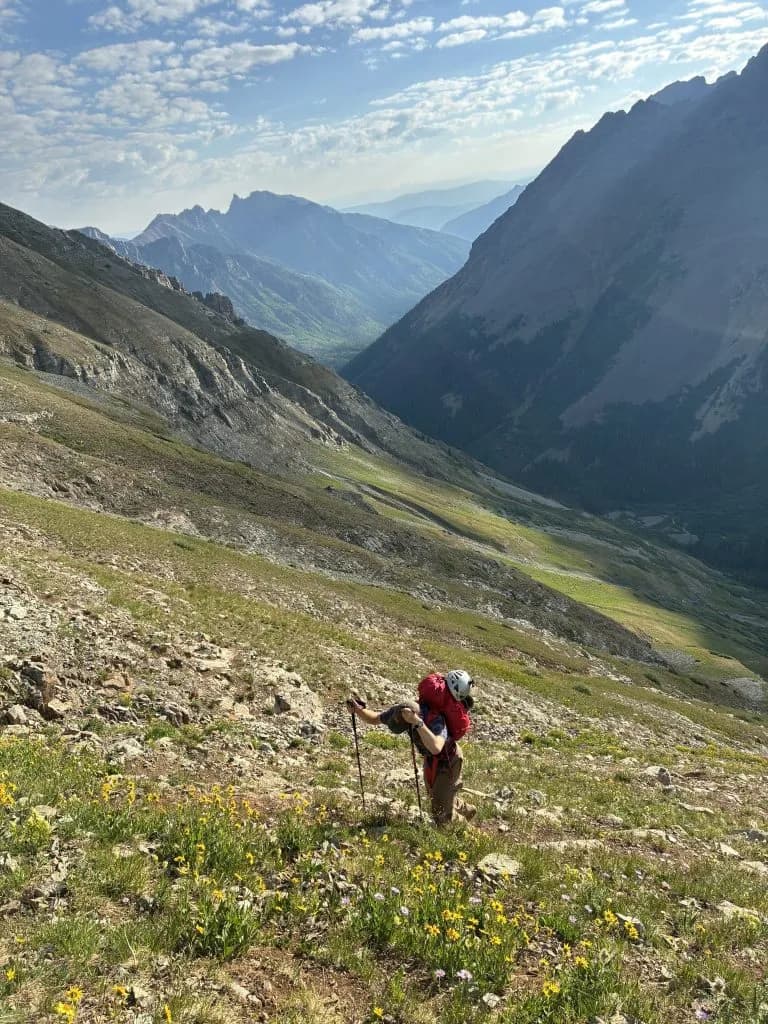
The National Forest Foundation’s Ski Conservation Fund is back at it, funneling money into White River National Forest restoration projects. This year, the fund is set to provide more than $100,000 to the Rocky Mountain Youth Corps. That’s not pocket change. That’s funding for the Dillon and Eagle/Holy Cross Ranger Districts through its Natural Resources Internship Program. It’s the kind of capital that helps young crews refurbish historic buildings and clear trails that locals rely on for everything from morning jogs to winter hiking.
Here’s the thing though: the mechanism is simple, but the scale is where it gets interesting. The fund partners with Vail Mountain, Beaver Creek, Breckenridge Ski Resort, Keystone Resort, Copper Mountain, and Arapahoe Basin Ski Resort. When you buy a lift ticket or book lodging at any of these spots, you can toss in a buck. The nonprofit then adds a 50-cent match. It’s a small incentive, designed to nudge you toward giving, but it’s the cumulative effect that matters. Since the fund started in 2007, it has reportedly invested over $7 million in 31 community organizations.
That’s seven million dollars extracted from the ski culture and poured back into the forest that makes the skiing possible in the first place. It’s a circular economy of sorts. You pay to play in the White River; part of that payment goes to fixing the trail system, managing the timber, and keeping the ecosystem from buckling under the weight of its own popularity.
The money this year isn’t just vanishing into administrative overhead. The projects are recommended by two community advisory committees established by the National Forest Foundation. There’s also a new stewardship coordinator program dedicated specifically to the White River National Forest. It’s an attempt to professionalize the oversight, to ensure that the cash flowing from Breckenridge to Arapahoe Basin actually results in visible improvements on the forest floor.
Last year, the Youth Corps used similar funding to refurbish two historic buildings atop Boreas Pass. They also completed trail work in the Eagle/Holy Cross Ranger District. Those are tangible outcomes. You can walk those trails. You can see the restored structures. It’s not abstract environmentalism; it’s maintenance. It’s upkeep. It’s the difference between a trail that’s usable in June and one that’s a muddy mess by July.
The fund relies on guests visiting these resorts to trigger the donations. It’s voluntary. It’s embedded in the transaction. You’re already buying your pass; why not add a buck? The 50-cent match makes it feel like a bargain, even if it’s just a fraction of a dollar more. But when you multiply that by hundreds of thousands of skiers over a season, it adds up to significant local investment.
And that matters because the White River National Forest isn’t just a backdrop for the ski industry. It’s the watershed. It’s the habitat. It’s the reason the air smells different up here than it does down in the valley. The fund bridges the gap between the economic engine of skiing and the ecological needs of the land. It’s a pragmatic solution to a complex problem.
Picture this: a kid from Dillon, working for the Youth Corps, using that $100,000+ pot of money to clear a trail near Boreas Pass. She’s earning a wage, gaining experience, and improving the resource that her neighbors use for recreation. The money came from a skier who bought a ticket at Vail Mountain. The connection is direct. It’s immediate. It’s local.
The National Forest Foundation has been doing this for over a decade. The system is established. The committees are in place. The money is flowing. It’s not a perfect system — no funding mechanism is — but it’s a robust one. It turns a voluntary dollar into a tangible benefit for the forest and the people who depend on it.
You can buy your lift ticket. You can add the dollar. You can watch the forest recover, one trail, one building, one season at a time.
Keep up with Aspen
The day's Western Slope news, one email each morning. Free.

S&P 500 Slips Modestly as Weak Retail Sales and Oil Prices Drive Market Correction

Aspen Essay Connects Generations Through Highway 82 Landmarks