Snowmass Sees 18.5% Drop in March Lodging Demand
Snowmass experiences a decline in lodging demand, with a 18.5% drop in March, despite increased average daily rates. The village is adapting to changing consumer behavior and economic conditions.
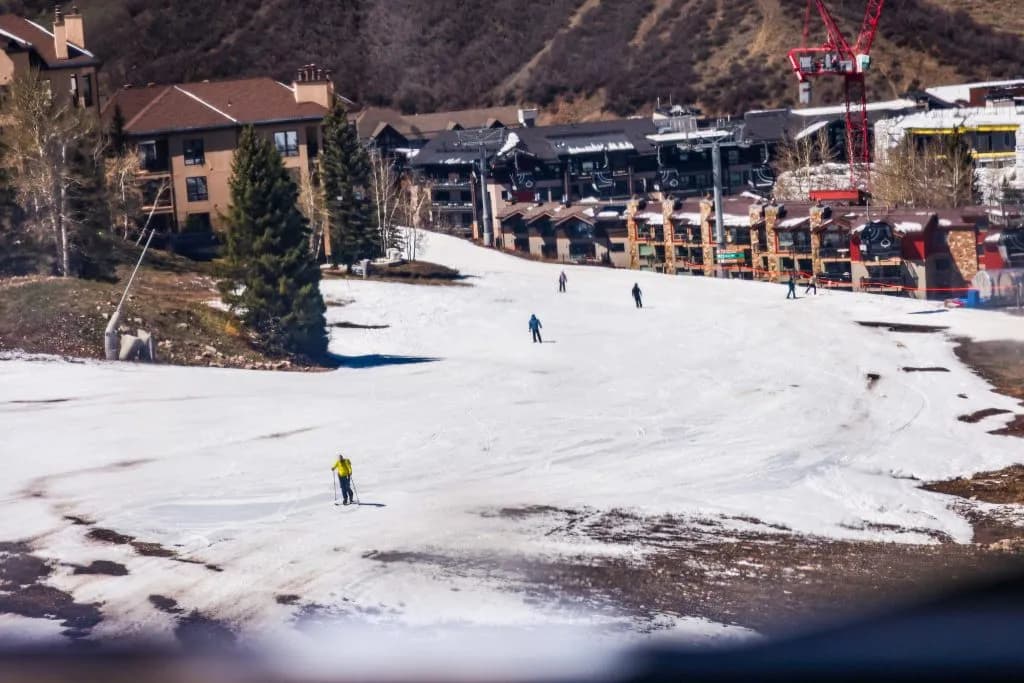
Aspen —As I stand at the base of Snowmass Mountain, the warm sun on my skin and the sound of gentle breezes rustling through the aspen trees, it's hard to imagine that the local lodging industry is facing a decline. But the data shows a clear trend - March saw an 18.5% drop in room night demand, with lodging occupancy falling by 15.7% year-over-year, according to the Snowmass Monthly Research Update. The average daily rate may have increased by 1.7% to $835, but it wasn't enough to offset the weakened demand, resulting in a 17.1% decline in lodging revenue to $20 million for the month.
If you look closely at the data, you'll notice that this decline isn't limited to traditional lodging. Demand at Airbnb and Vrbo short-term rentals also decreased in March, after nine months of consistent increases. The number of active listings may have increased by 5.4%, but the booking decrease caused occupancy to drop 15.6% year-over-year. It's worth noting that the average daily rate among short-term rentals declined by 0.9% to $1,184 for the month, driving revenue down 12.7% compared to last March. Julia Theisen, tourism director for Snowmass Tourism, acknowledges that the low snow year likely contributed to the decline in occupancy, but the exact reasons are still unclear.
As I walk through the village, I notice the impact of this decline on local businesses. Restaurant and retail owners are likely feeling the pinch, as they rely on the influx of tourists to drive sales. The 7.9% drop in total passenger volume at the Aspen/Pitkin County Airport in March only adds to the challenge. But it's not just Snowmass that's experiencing this decline - the West Region Mountain Market Summary reports a 12% drop in occupancy across the West, with average daily rates down 5.6%. It's a trend that's being felt across the region, as resorts struggle to adapt to changing consumer behavior and economic conditions.
And yet, despite these challenges, there's optimism in the air. The summer season is already showing signs of promise, with occupancy up 4%, average daily rates up 6.5%, and revenue per available room up 10.8% for the region. It's a reminder that mountain travel is evolving, and that destinations like Snowmass are pivoting to offer year-round experiences that attract visitors beyond the traditional winter season. As Theisen notes, mountain travel has done an excellent job of adapting to changing consumer behavior, and it will be interesting to see how Snowmass and other local businesses respond to these trends in the coming months.
As I continue my stroll through the village, I'm struck by the beauty of the surrounding landscape. The mountains tower above, their peaks still capped with a dusting of snow, while the wildflowers are beginning to bloom in the valley below. It's a reminder that, despite the challenges facing the local economy, there's still so much to appreciate and enjoy in this special place. You can feel the warmth and resilience of the people here, which will help Snowmass navigate the ups and downs of the tourism industry. And as the summer season approaches, it will be worth watching to see how the village comes alive with new events and activities, drawing visitors from across the region to experience all that Snowmass has to offer. The sound of laughter and conversation carries on the breeze, a gentle reminder of the beauty and charm that awaits in this mountain village.
Keep up with Aspen
The day's Western Slope news, one email each morning. Free.

The digital counter on the side of the bus in Carbondale ticks over, but the seats inside are half-empty

Eagle County Launches Aging Well Roadmap To Keep Seniors Housed