Low Snowpack Increases Wildfire Risks in Western States
A new study confirms the link between low snowpack and increased wildfire risks in the Western United States, highlighting the need for urgent action to mitigate these risks.
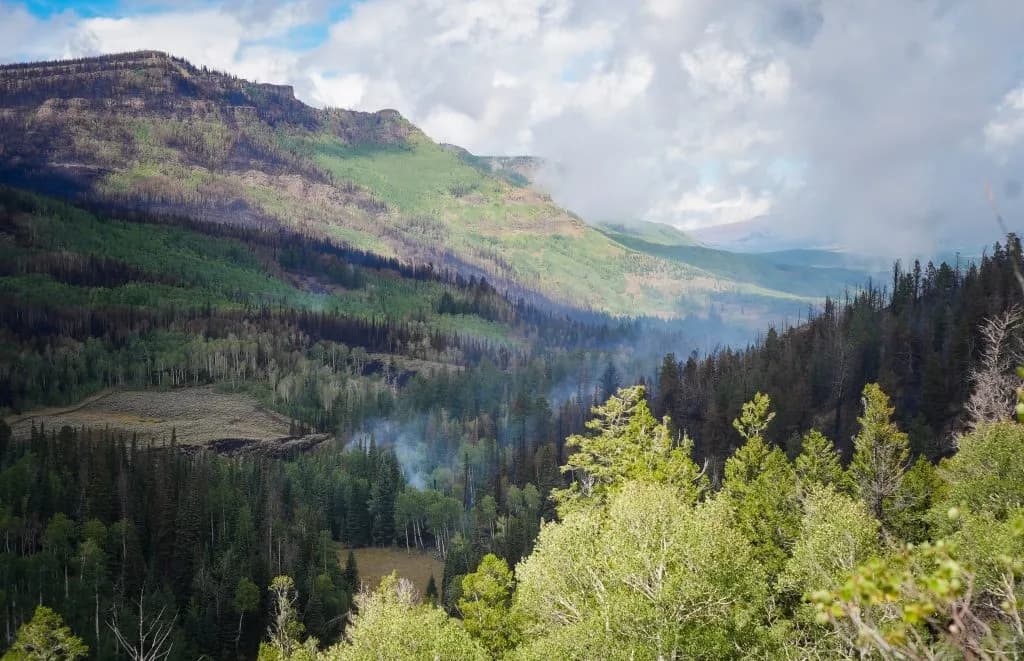
Aspen —Standing at the base of Rabbit Ears Pass, the charred remains of a recent agricultural burn serve as a stark reminder of the fire risks that come with low snowpack — a reality that's all too familiar for folks around here. The air is crisp, with a hint of smoke still lingering from the controlled burn. A rancher watches over the area, ever vigilant. This is the new normal in the West, where record-low snowpack conditions are setting the stage for a potentially devastating wildfire season.
A new study out of Western Colorado University confirms what fire ecology scientists have long suspected: low snowpack is linked to more severe wildfires. Jared Balik, the lead author of the study, puts it bluntly — "When we have a low-snow winter, those high elevation forests will have lower live fuel moisture and ultimately more flammable conditions during the summer." The study used satellite data to estimate burn severity across 11 Western states, including Colorado, from 1985 to 2021. The findings are clear: higher snowpacks are associated with less severe wildfires, while lower snowpacks lead to more severe fires.
The impact of snowpack on fire intensity is crucial, as it determines how much of a forest's trees and vegetation a wildfire consumes. Balik notes that while forests can survive low-intensity fires, they struggle to regenerate after high-intensity fires that can kill adult trees and damage the next year's seed source. This has significant implications for the ecosystems in the West, where high-severity fires can alter the way these ecosystems store carbon, hold water, and provide habitat for wildlife.
The study's results are a sobering reminder of the challenges that come with low snowpack. As Balik says, "Winter snowpack really acts as a kind of a seasonal water savings account for these western forests." With record-low snowpack conditions across the West, it's clear that this "savings account" is running dry. The consequences of this will be felt for years to come, as forests become more susceptible to fires and the risks of severe wildfires increase.
For locals, this means being on high alert during the fire season. It means taking extra precautions to prevent fires from starting and spreading. It means being prepared for the worst, even as we hope for the best. The study's findings are a call to action, a reminder that the snowpack shortage is not just an environmental issue, but a public safety concern that demands attention and action.
As the fire season approaches, it's worth watching how the low snowpack conditions will impact our local forests and ecosystems. The study's results make it clear that the severity of wildfires is closely tied to snowpack levels. With the West facing record-low snowpack conditions, it's likely that we'll see more severe wildfires in the coming months. The question is, what will we do to prepare and respond to these challenges?
Make no mistake, the snowpack shortage is a pressing issue that requires a collective response. Considering the long-term implications of low snowpack on our ecosystems and communities, the need for urgent action to mitigate the risks of severe wildfires in our region becomes clear. The short version is this: low snowpack means more severe wildfires, and that's a reality we can't afford to ignore. Read that again, it's a stark reminder of the challenges we face, and the need for urgent action to mitigate the risks of severe wildfires in our region.
Keep up with Aspen
The day's Western Slope news, one email each morning. Free.